
Russian Tabby - Complete Breed Guide
Russian Tabby - Complete Breed Guide
Breed Overview
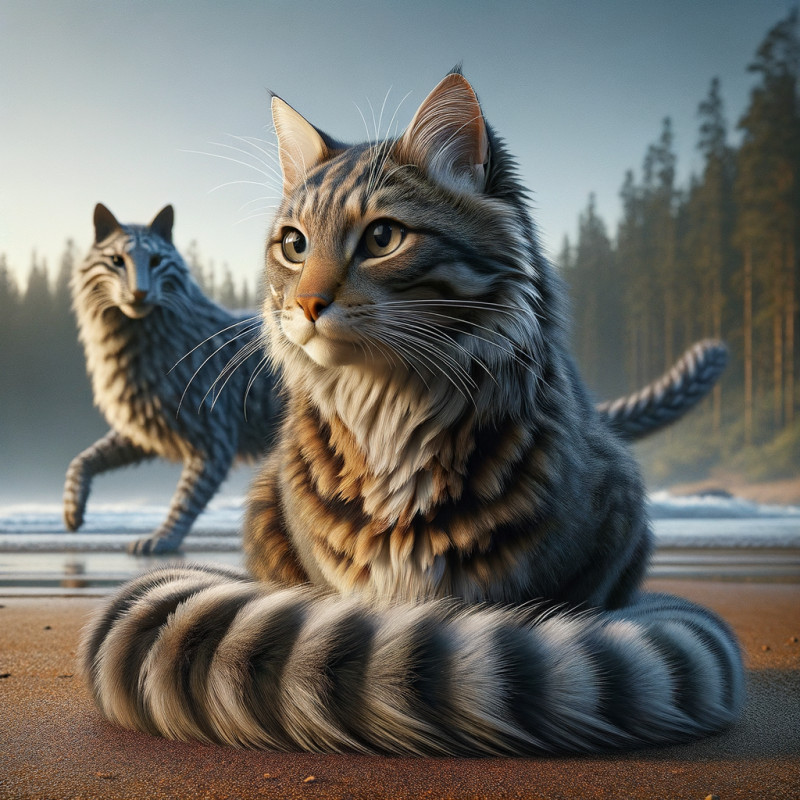
The Russian Tabby is a medium-sized cat breed known for its elegant appearance, athletic build, and friendly personality. With striking coat patterns resembling a wild tabby, these cats have a sleek, short coat that is easy to maintain. Russian Tabby cats are intelligent, affectionate, and social creatures that form strong bonds with their human companions. Despite their active nature, they are also content to curl up in a cozy spot for a nap. Overall, the Russian Tabby is a wonderful companion for those seeking a playful, loving feline friend.
Adoption & Local Availability
If you’re looking to bring a russian tabby into your home, there are several ways to find one available for adoption. Below are options to explore both local availability and general listings.
Size and Appearance
Russian tabbies are medium-sized cats with a slender and athletic build. They typically weigh between 8 to 12 pounds when fully grown. These cats have a distinct appearance with a short to medium-length coat that features beautiful tabby patterns in gray and black hues. Their round heads sit atop a slender neck, leading down to expressive almond-shaped eyes that are usually green. Russian tabbies have a graceful posture and well-proportioned bodies, showcasing their elegant and agile nature. Overall, they exude a refined and charming look with their unique coat patterns and striking facial features.
Health and Lifespan
Russian tabbies are generally a healthy breed with a lifespan of around 12-15 years. However, like all cats, they can be prone to certain health issues such as obesity, dental problems, and heart disease. Regular veterinary check-ups, a balanced diet, and plenty of exercise can help maintain their overall health and well-being. Monitoring their weight and dental hygiene, along with providing a stimulating environment, can contribute to a longer and happier life for these beloved feline companions.
Family Compatibility
Russian tabbies are known for their exceptional compatibility with families, both big and small. Their affectionate and sociable nature makes them ideal companions for children, as they are patient and tolerant. These cats thrive on human interaction and enjoy being a part of the family activities. Russian tabbies are known to form strong bonds with their owners, providing love and companionship to every member of the household. With their playful and outgoing personalities, they are sure to bring joy and laughter to any family setting.
Exercise Needs
Russian Tabbies are an active breed that require regular play and exercise to stay happy and healthy. Engaging them in interactive toys, puzzle feeders, and feather teasers can help satisfy their need for mental and physical stimulation. Setting up climbing structures and scratching posts will also allow them to indulge their natural instincts while getting their daily dose of activity. Regular play sessions with their human companions are highly recommended to prevent boredom and promote a strong bond between the cat and their family. Overall, daily exercise and mental enrichment are key to keeping Russian Tabbies content and well-behaved.
Diet and Feeding
As a Russian tabby owner, it's crucial to provide a balanced diet to maintain their health. High-quality protein sources like poultry and fish are ideal, avoiding fillers like soy and corn. Opt for dry kibble to promote dental health, supplemented with wet food for hydration. Russian tabbies tend to enjoy grazing, so portion control is key to prevent overeating. Ensure access to fresh water at all times, and consider consulting with a veterinarian to tailor a diet plan to your cat's individual needs, considering factors like age, weight, and activity level. A well-rounded diet is essential for the overall well-being of your Russian tabby companion.
Living Environment
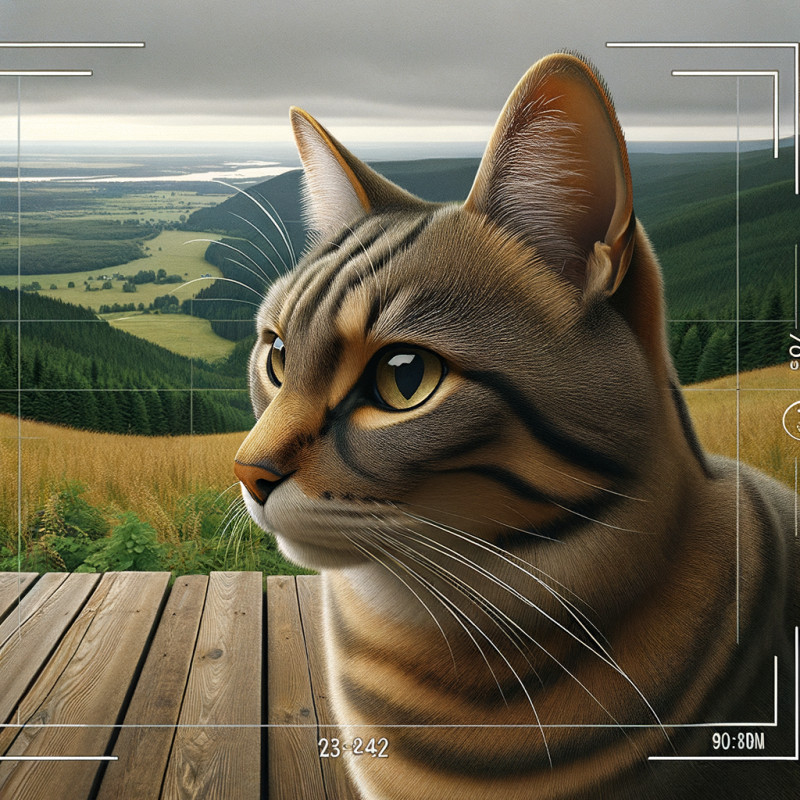
Russian tabbies thrive in calm and quiet living environments where they can feel secure and comfortable. It is important for them to have access to sunny spots for lounging and windows for observing the outside world. They appreciate cozy spaces to retreat to for naps and solitude, as well as scratching posts and toys for mental and physical stimulation. Providing a stable routine and plenty of opportunities for play and interaction will help ensure a happy and contented feline companion. Overall, a peaceful and enriching living environment is key to meeting the needs of this intelligent and affectionate breed.
Grooming
Russian tabbies have a smooth, short coat that requires minimal grooming. Weekly brushing helps keep shedding under control and prevents matting. Bathing is rarely necessary, as their coat is self-maintaining due to its waterproof quality. Regular nail trims and dental care are recommended. Pay attention to their ears, cleaning them occasionally to prevent wax build-up. Overall, maintaining a routine grooming schedule will keep your Russian tabby looking sleek and healthy.
Training and Intelligence
Russian tabbies are highly intelligent and trainable cats. They are quick learners and respond well to positive reinforcement techniques. Their natural curiosity and agility make them eager to participate in interactive play and training sessions. It's important to keep training sessions engaging and varied to maintain their interest. Consistency and patience are key to successfully training a Russian tabby, as they can be independent thinkers. With the right approach, these cats can excel in obedience training and even learn impressive tricks.
Exercise and Activity Requirements
Russian tabbies are highly active and energetic cats that require plenty of daily exercise to stay happy and healthy. Engaging them in interactive play sessions, providing them with stimulating toys, and offering them opportunities for climbing and exploring are essential to meeting their exercise needs. It is recommended to dedicate at least 20-30 minutes each day to playtime with these lively felines to prevent them from becoming bored or restless. Keeping them mentally and physically stimulated through various activities will also help in fostering a strong bond with their human companions.
Socialization
Socialization is crucial for this breed as they are known to be highly social and affectionate cats. Early and consistent exposure to various experiences, people, and animals can help develop their friendly and outgoing nature. Russian tabbies thrive on human interaction and enjoy being part of a family environment. Proper socialization can also prevent potential behavioral issues such as timidity or aggression. Encouraging positive interactions and providing ample opportunities for play and bonding can help ensure that Russian tabbies grow up to be well-adjusted and sociable companions.
Lifespan
The average lifespan of the Russian Tabby breed ranges between 12 to 15 years, with many living even longer when provided with proper care and a healthy lifestyle. Regular vet check-ups, a balanced diet, and plenty of mental and physical stimulation are key factors in ensuring a Russian Tabby's longevity. This breed tends to be resilient and healthy, but it is important to be vigilant for any signs of health issues as they age, such as dental problems, arthritis, or kidney disease, to provide them with the best quality of life possible.
Common Behavioral Issues
Common behavioral issues seen in cats of this breed include sensitivity to change, which may manifest as anxiety or aggression in response to unfamiliar situations. Russian tabbies are known to be highly intelligent and may become bored easily, leading to destructive behaviors if not provided with enough mental stimulation. Additionally, they can be quite assertive and may exhibit a strong prey drive, potentially leading to hunting of small animals or even aggressive play behavior. It is important for owners to understand these tendencies and provide appropriate outlets for their cat's energy and instincts to prevent behavioral issues from arising.
Special Considerations
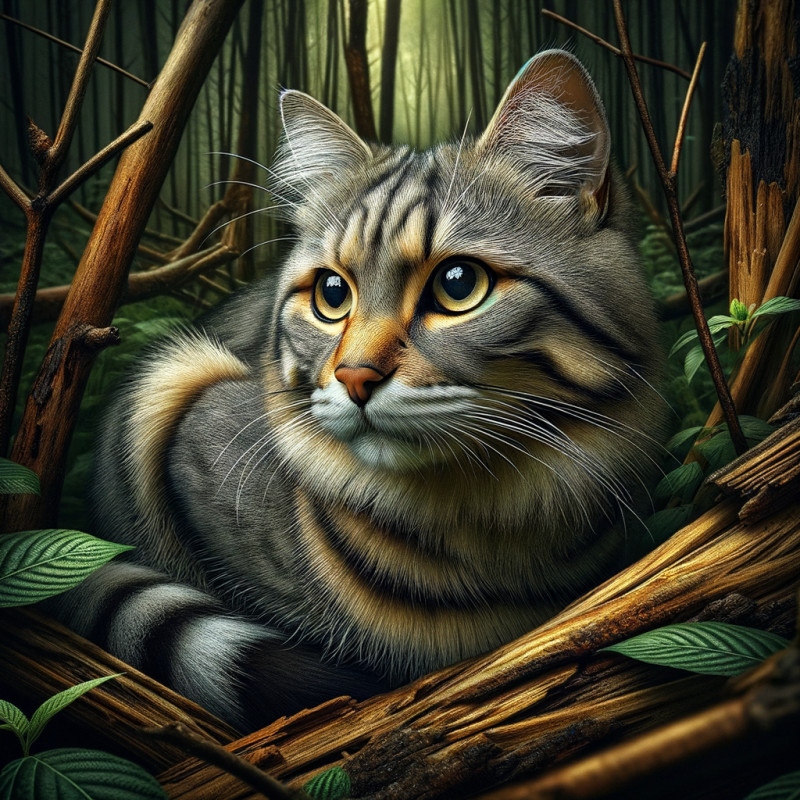
Special Considerations: Russian tabbies are known for their high energy levels and intelligence, requiring regular mental and physical stimulation to prevent boredom and destructive behavior. Their playful nature makes them ideal companions for interactive play, puzzle toys, and training sessions. Due to their social and affectionate personalities, russian tabbies thrive in homes where they receive ample attention and companionship from their human family members. Additionally, it is important to provide a balanced diet tailored to their activity level to maintain optimal health and wellbeing. Regular veterinary check-ups are recommended to address any potential health concerns early on and ensure a long and happy life for your feline friend.
Guardian Instincts
Russian tabbies possess strong guardian instincts, often displaying protective behaviors towards their family members and territory. Known for their alertness and vigilance, they are quick to detect any potential threats and are not afraid to defend their home. These cats are fiercely loyal and will go to great lengths to ensure the safety and security of their loved ones. With natural instincts for patrolling and warding off intruders, Russian tabbies make excellent protectors and companions, always keeping a watchful eye to ensure the well-being of their human family.
Allergies and Shedding
Russian tabbies are known to be hypoallergenic as they produce lower levels of the Fel d 1 protein, a common allergen found in cat saliva and dander. This makes them a suitable choice for individuals with cat allergies. In terms of shedding, they have a double coat that requires regular grooming to minimize shedding and prevent matting. Weekly brushing can help remove loose fur and reduce potential allergens in the environment. Additionally, providing a balanced diet and ensuring proper hydration can contribute to healthy skin and coat, ultimately reducing shedding and maintaining overall well-being.
Cost of Ownership
The cost of ownership for this breed includes initial expenses like adoption or purchase fees, vaccinations, spaying/neutering, and microchipping. Additionally, recurring costs such as high-quality food, litter, grooming tools, toys, and regular vet check-ups should be accounted for. Emergency vet visits, pet insurance, and potential grooming or boarding services may add to long-term expenses. It's important to also consider the cost of enriching your cat's environment with scratching posts, climbing trees, and other engaging activities. Overall, the cost of owning this breed will vary based on individual needs and lifestyle.
Availability and Adoption
Russian Tabbies are a popular breed, making them readily available for adoption in many animal shelters and rescue organizations. Prospective owners can also find Russian Tabbies from reputable breeders who focus on maintaining breed standards and ensuring the health and well-being of the cats. Due to their friendly and sociable nature, Russian Tabbies are often in demand as family pets, making them a great choice for those looking to adopt a loving and affectionate feline companion. Overall, the availability of Russian Tabbies provides ample opportunities for cat lovers to bring these wonderful cats into their homes.
Famous Examples
One famous example of this breed is Simon, a heroic cat who served aboard the HMS Amethyst in the 1949 Yangtze Incident. Simon protected the ship from a rat infestation, raising morale among the crew during the intense standoff. Another notable Russian tabby is Morris the Cat, a beloved advertising icon known for his orange fur and charming personality. These famous examples showcase the intelligence, bravery, and charisma that are characteristic of the Russian tabby breed, making them truly exceptional feline companions.
Questions & Answers
1) Is the russian tabby a good fit for families or first-time owners?
Yes, Russian tabbies are known to be friendly, social, and adaptable, making them a great fit for families and first-time cat owners.
2) How much exercise and daily care does a russian tabby require?
Russian tabbies are active cats that enjoy playtime and interactive toys. Daily exercise and mental stimulation are essential to keep them happy and healthy.
3) What health issues are common in russian tabby?
Russian tabbies are generally healthy cats. However, they may be prone to dental issues and obesity if not provided with a balanced diet and regular dental care.
4) What is the typical temperament of a russian tabby?
Russian tabbies are known for their friendly and affectionate nature. They enjoy being around their human companions and are often described as loyal and loving pets.
5) Do russian tabbies have any special grooming requirements?
Russian tabbies have a short to medium-length coat that is easy to maintain. Regular brushing to prevent matting and shedding is usually sufficient to keep their coat looking healthy.
6) Are russian tabbies good with other pets?
Russian tabbies generally get along well with other pets, including dogs and other cats, especially if they are properly socialized from a young age.
7) What is the origin of the russian tabby breed?
Russian tabbies are believed to have originated in Russia, where they were bred for their striking appearance and friendly demeanor. They are a distinct color variation of the Siberian cat breed.