
Pixie Bob - Complete Breed Guide
Pixie Bob - Complete Breed Guide
Breed Overview
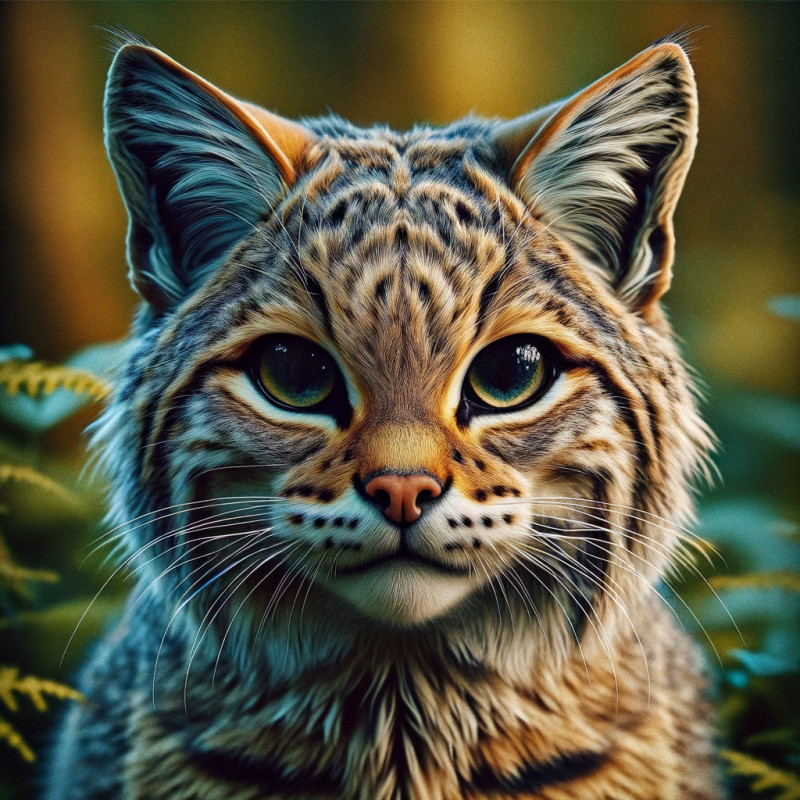
The pixie bob breed is a unique and fascinating feline known for their large size, bobbed tail, and wild appearance. They are a sturdy and muscular cat with a distinctive "lynx-tipped" appearance, complete with tufted ears and a thick fur coat. Despite their wild appearance, pixie bobs are known for their affectionate and sociable nature, forming strong bonds with their human companions. This breed is intelligent, playful, and highly trainable, often enjoying interactive games and puzzles. Pixie bobs are also known for their dog-like loyalty and tendency to greet their owners with chirps and trills.
Adoption & Local Availability
If you’re looking to bring a pixie bob into your home, there are several ways to find one available for adoption. Below are options to explore both local availability and general listings.
Size and Appearance
Pixie bobs are a medium-to-large breed with a muscular build, males weighing between 11-16 pounds and females slightly smaller at 8-12 pounds. They have a wild appearance, resembling a bobcat with a thick double coat and distinctive short tail. Their fur can be short or medium in length, and comes in various colors and patterns. Notable features include lynx tipping, giving the impression of ear tufts, and polydactyl feet, with extra toes contributing to their unique look. Overall, the pixie bob's size and appearance exude a rugged yet charming wildcat aesthetic.
Health and Lifespan
Known for their overall good health, this breed has an average lifespan of 13-16 years. Regular veterinary check-ups, a balanced diet, and proper exercise are crucial to maintaining their well-being. Common health issues in this breed may include hip dysplasia, heart conditions, and spinal problems. Keeping your pixie bob at a healthy weight and ensuring they receive proper dental care can help prevent potential health issues. With proper care and attention, these cats can live long, happy, and healthy lives, bringing joy to their families for many years.
Family Compatibility
Family Compatibility:
The cats in this breed are known for their affectionate and social nature, making them excellent companions for families. Their playful and gentle temperament allows them to get along well with children, other pets, and even strangers. Pixie bobs are loyal and devoted to their human family members, often forming strong bonds with each individual. Their adaptive and easy-going attitude makes them adaptable to various lifestyles, whether in a bustling household or a quieter environment. Overall, the pixie bob’s friendly and loving personality makes them a wonderful addition to any family looking for a loving and sociable feline companion.
Exercise Needs
Pixie bobs are an active and playful breed, requiring regular exercise to maintain their physical and mental health. Engaging in interactive play sessions with their owners, providing toys for mental stimulation, and access to climbing structures are essential to meeting their exercise needs. A mixture of physical activities and mental stimulation is important to prevent boredom and destructive behavior in pixie bobs, as they are intelligent and energetic cats. Regular playtime and exercise opportunities will help keep them happy, healthy, and well-adjusted in the home environment.
Diet and Feeding
Pixie bobs thrive on a well-balanced diet consisting of high-quality cat food that meets their nutritional needs. It's important to provide them with a mix of wet and dry food to ensure they stay hydrated and maintain a healthy weight. Monitor their food intake to prevent obesity, as these cats are known to have hearty appetites. Additionally, consider incorporating occasional treats into their diet for variety, but do so in moderation to avoid overfeeding. Remember to always provide fresh water for your cat and consult with a veterinarian for personalized feeding recommendations.

Living Environment
The Pixie Bob thrives in a calm and enriched living environment where they have plenty of space to explore and play. These cats enjoy being indoors but also appreciate access to a safe outdoor space where they can satisfy their natural curiosity. Providing cat trees, interactive toys, and cozy hiding spots will help keep them mentally stimulated and active. It's important to create a comfortable and secure setting with multiple spots for them to perch and observe their surroundings. Overall, a peaceful and engaging living space will ensure that the Pixie Bob remains happy and content.
Grooming
Pixie bobs have a double coat that consists of a soft undercoat and a longer outer coat. Due to their short to medium coat length, grooming is relatively low maintenance compared to other breeds. Regular brushing once a week helps to minimize shedding and keep their coat in good condition. It is also recommended to trim their nails regularly and check their ears for any signs of infection. Overall, pixie bobs are not high-maintenance when it comes to grooming, making them a suitable choice for cat owners looking for a relatively low-maintenance breed.
Training and Intelligence
With their high intelligence, Pixie Bobs are quick learners and enjoy training sessions. They respond well to positive reinforcement techniques such as treats and praise. This breed excels in interactive games and can be trained to perform tricks. Consistency and patience are key when training a Pixie Bob, as they can be independent at times. They are known to pick up on commands easily and can even be leash trained for outdoor adventures. Keeping training sessions fun and engaging helps maintain their interest and willingness to learn new behaviors.
Exercise and Activity Requirements
Exercise and Activity Requirements:
The breed is highly energetic and requires regular exercise to stay healthy and happy. Engaging in interactive play sessions, such as fetch or puzzle toys, can help fulfill their physical and mental stimulation needs. Providing a cat tree or climbing shelves can also satisfy their natural instinct to climb and explore. Daily playtime and activities that mimic hunting behaviors are essential to prevent boredom and maintain their overall well-being. It is important to create a stimulating environment that encourages physical movement and mental engagement to keep them content and active.
Socialization
Socialization is crucial for these cats as kittens to ensure they grow up to be well-adjusted and friendly. Introducing them to various people, animals, and environments will help prevent shyness or aggression. Positive experiences during this critical period will shape their behavior and temperament for life. Regular playtime and engaging activities can promote bonding and trust with their human companions. Providing opportunities for social interaction can help them develop good communication skills and reduce the likelihood of behavioral issues in the future. Overall, early and consistent socialization is key in fostering a happy and confident cat.
Lifespan
The lifespan of the pixie bob breed typically ranges from 13 to 16 years, with some individuals living even longer when provided with proper care and attention. Good genetics, a balanced diet, regular veterinary check-ups, and a stimulating environment can help ensure a healthy and long life for these beloved felines. By maintaining a safe indoor lifestyle and keeping up with vaccinations and preventative care, owners can contribute significantly to their pixie bob's longevity and well-being, fostering a strong bond and companionship that lasts for many years.
Common Behavioral Issues
Common behavioral issues in this breed may include excessive shyness, territorial behavior, and aggression towards other animals. Pixie bobs are known for their independence and can sometimes display a strong prey drive, leading to chasing small animals or objects. They are also intelligent and may become easily bored, leading to destructive behaviors if not provided with enough mental stimulation. Proper socialization and interactive playtime can help mitigate these issues, ensuring a well-adjusted and happy cat. Training early on and providing a safe environment for the cat to explore can also help address and prevent any potential behavioral issues.

Special Considerations
Special Considerations:
When considering this breed, potential owners should be aware of the pixie bob's strong hunting instincts, requiring mental stimulation and interactive play to prevent boredom. Their intelligent and curious nature necessitates a stimulating environment, with opportunities for climbing and exploring. Due to their distinctive appearance, with a short tail or no tail at all, regular grooming is essential to maintain their unique coat. Additionally, socialization from a young age is crucial to ensure they are comfortable around other pets and people. It's important to provide a secure outdoor space, as they have a tendency to wander and explore.
Guardian Instincts
These cats are known for their strong guardian instincts, often forming deep bonds with their human families and displaying protective behaviors. They are highly territorial and will not hesitate to defend their home and loved ones from perceived threats. This breed is attentive and vigilant, always keeping a watchful eye on their surroundings. Their loyal and devoted nature makes them excellent companions for those looking for a feline friend that will also serve as a reliable protector. In addition, they are known to be intuitive and sensitive, able to sense when their owners are in need of comfort or assistance.
Allergies and Shedding
Pixie bobs are a low-shedding breed, making them hypoallergenic for some individuals with cat allergies. Their unique coat texture, which is dense and plush, sheds minimally, reducing the spread of allergens in the environment. Regular grooming sessions, including brushing and occasional baths, can help further minimize shedding and keep the coat healthy and mat-free. Additionally, providing a balanced diet rich in omega-3 fatty acids can improve skin health and reduce shedding in pixie bobs, promoting a sleek and glossy coat. Overall, pixie bobs are a great choice for individuals with mild allergies thanks to their low-shedding nature and coat maintenance requirements.
Cost of Ownership
The cost of ownership for this unique breed includes initial purchase price ranging from $500 to $2000, grooming expenses for their medium to long coat, quality food and treats, vaccinations and routine vet visits averaging $400-$600 annually. Other costs may include toys, scratching posts, litter boxes, and beds. Additionally, regular flea treatments, grooming tools, and possibly pet insurance should be factored into the budget. Thanks to their friendly and social nature, the pixie bobs thrive on interactive play and mental stimulation, thus investing in enrichment activities and puzzle toys can ensure a happy and healthy feline companion.
Availability and Adoption
These unique cats are not as readily available as some more common breeds, given their rarity and specific breeding standards. Potential adopters seeking a Pixie Bob may need to join waitlists with reputable breeders or keep a careful eye on shelters and rescue organizations specializing in this breed. Due to their distinctive appearance and personality traits, Pixie Bobs tend to be in high demand, making them a sought-after addition to many cat lovers' homes. When considering adoption, it's crucial to research breeders, ask questions about lineage and health testing, and ensure that the cat's needs align with your lifestyle.
Famous Examples
Some famous examples of this distinctive cat breed include "Stumpy" who gained popularity for his unique look and playful personality, and "Legend" who made appearances at various cat shows showcasing the breed's intelligence and affectionate nature. These pixie bobs have captured the hearts of many with their wild appearance, bobbed tails, and dog-like loyalty, making them stand out in the feline world. Their fascinating characteristics and undeniable charm have earned them a dedicated following among cat enthusiasts and continue to solidify their reputation as a truly special and captivating breed in the cat fancy community.
Questions & Answers
1) Is the pixie bob a good fit for families or first-time owners?
Yes, the pixie bob is known to be a great fit for families and first-time owners. They are friendly, sociable, and adaptable.
2) How much exercise and daily care does a pixie bob require?
Pixie bobs are moderately active cats and require regular playtime. They enjoy interactive toys and games to stay mentally and physically stimulated. Daily grooming is also recommended to maintain their fluffy coat.
3) What health issues are common in the pixie bob breed?
Pixie bobs are generally healthy cats, but they may be prone to certain health issues such as hip dysplasia, heart murmurs, and certain dental problems. Regular vet check-ups are important to monitor their health.
4) What sets the pixie bob apart from other cat breeds?
One unique feature of the pixie bob is their short bobbed tail, which gives them a wild and exotic appearance. They are also known for their dog-like personalities, often forming strong bonds with their human families.
5) Are pixie bobs good with other pets?
Pixie bobs are typically good with other pets, especially if they are introduced properly and given time to adjust. They can be social and enjoy the company of both humans and other animals.
6) Do pixie bobs require a lot of attention?
Pixie bobs are sociable cats that enjoy spending time with their human companions. They may seek attention and interaction, making them a great choice for people looking for a cat that enjoys being around people.
7) What is the typical personality of a pixie bob?
Pixie bobs are often described as intelligent, affectionate, and playful. They are known to be loyal to their families and may exhibit behaviors similar to dogs, such as following their owners around the house.