
Hairless Cat - Complete Breed Guide
Hairless Cat - Complete Breed Guide
Breed Overview
Breed Overview:
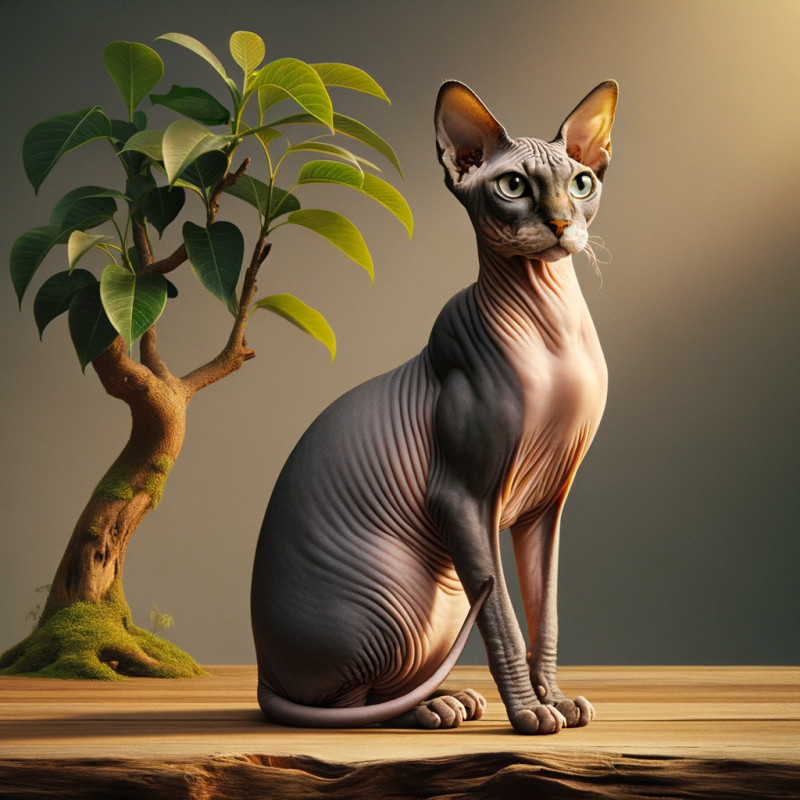
Known for their unique appearance, hairless cats are a breed distinct for their lack of fur, which may vary in texture from suede-like to wrinkled. Despite their name, these cats actually do have a fine layer of downy hair covering their bodies. They are friendly, affectionate, and social creatures, often seeking warmth and companionship from their human family members. Hairless cats have high energy levels and require regular bathing to maintain their skin health. With their loving nature and striking look, hairless cats are a popular choice for those seeking a one-of-a-kind feline companion.
Adoption & Local Availability
If you’re looking to bring a hairless cat into your home, there are several ways to find one available for adoption. Below are options to explore both local availability and general listings.
Size and Appearance
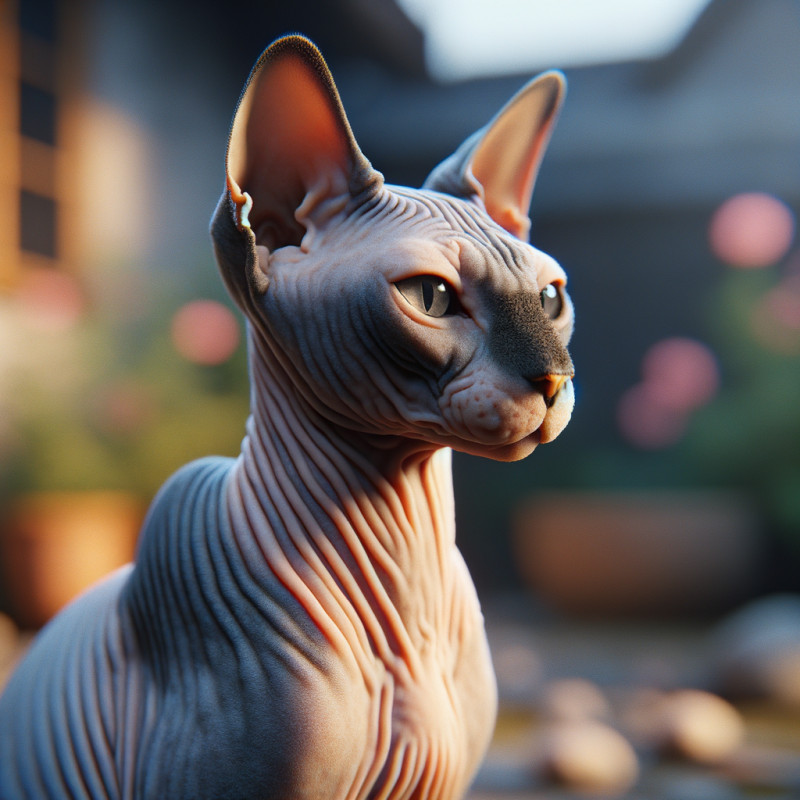
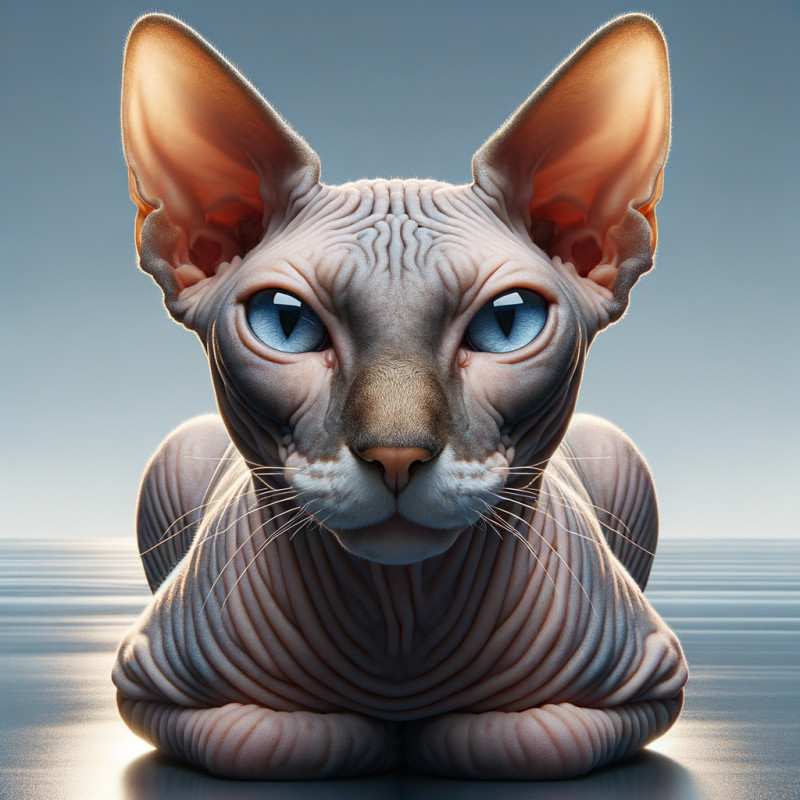
Hairless cats typically have a slender and elegant build, with a distinctive, smooth and soft skin that lacks fur. They come in various colors and patterns, showcasing their unique features. Despite their lack of fur, they are known for their beautiful, striking appearance and charming facial expressions. Hairless cats are usually medium to large in size, with long legs and a graceful posture that adds to their overall allure. Their velvety skin and captivating eyes make them stand out among other cat breeds, exuding an air of sophistication and mystery.
Health and Lifespan
Health and Lifespan: Hairless cats are generally healthy, but they are prone to certain conditions such as skin issues due to their lack of fur protection. Regular baths are necessary to keep their skin clean and free of oil buildup. They are susceptible to sunburn, so it's essential to limit their exposure to direct sunlight. With proper care and a well-balanced diet, hairless cats can live an average lifespan of 12 to 15 years, similar to many other cat breeds. Regular veterinary check-ups are recommended to ensure their overall health and well-being.
Family Compatibility
Hairless cats are known for their affectionate, people-oriented nature, making them great companions for families. They enjoy being the center of attention and thrive on human interaction, often forming strong bonds with their owners. These cats are typically outgoing and social, getting along well with children and other pets when properly introduced. Despite their unique appearance, hairless cats are loving and adaptable, making them an excellent choice for families seeking a loyal and engaging feline companion that will happily be a part of family activities and provide endless affection.
Exercise Needs
Hairless cats have moderate exercise needs, requiring regular playtime and physical activity to maintain their health and well-being. Engaging in interactive play sessions, providing climbing structures, and offering opportunities for exploration are essential to keep them mentally and physically stimulated. These cats enjoy interactive toys, puzzle feeders, and laser pointers to satisfy their hunting instincts. Owners should incorporate daily exercise routines to prevent obesity and encourage muscle toning in their unique, energetic companions. Regular play and exercise also strengthen the bond between the cat and their human family members.
Diet and Feeding
Hairless cats have a high metabolism and may require a specialized diet to meet their nutritional needs. It is important to feed them high-quality protein-rich foods to support their muscle health. Additionally, adding omega-3 fatty acids to their diet can help maintain their skin health and improve coat texture. Since they lack a fur coat for insulation, providing them with enough calories is crucial to keep them warm. Always ensure they have access to fresh water and consult with a veterinarian for dietary recommendations tailored to the individual cat's needs.
Living Environment
Hairless cats are best suited for indoor living environments due to their lack of fur, which leaves them vulnerable to temperature extremes and sun exposure. These cats should have access to cozy spots for warmth during colder months and be protected from direct sunlight to prevent sunburn. Providing plenty of soft blankets or beds for them to snuggle up in, along with environmental enrichment such as climbing trees or toys, will help keep them mentally stimulated and content in their indoor surroundings. Additionally, regular grooming and skincare routines are essential to maintain their skin health and protect them from environmental irritants.
Grooming
Grooming a hairless cat involves unique care due to their lack of fur. Regular bathing is essential to remove oils and debris that would otherwise be absorbed by their skin. Use a mild cat-friendly shampoo, being sure to rinse thoroughly to prevent skin irritation. Exfoliating wipes can help with skin maintenance between baths. Carefully inspect their skin for any signs of irritation or sunburn, as they are more prone to these issues without fur protection. Moisturizing their skin with pet-safe lotions or oils can help keep it soft and healthy. Regular grooming sessions can strengthen the bond between you and your hairless feline companion.
Training and Intelligence
Hairless cats are intelligent and can be trained with patience and positive reinforcement. They respond well to clicker training and can learn tricks and commands. A consistent routine will benefit their training, as they thrive on predictability. Utilizing interactive toys and puzzles can help engage their minds and prevent boredom. Reward-based training methods are effective in teaching them desired behaviors. It's important to use a gentle approach and provide lots of encouragement during training sessions to foster a strong bond and successful learning. With the right approach, hairless cats can quickly grasp new concepts and tasks.
Exercise and Activity Requirements
Hairless cats are energetic and playful, requiring regular exercise to maintain their overall health. Engage them in interactive play sessions, such as chasing toys or laser pointers, to keep them mentally stimulated and physically active. Providing climbing structures and scratching posts can also help satisfy their natural instincts and keep them entertained. Daily exercise, both indoors and outdoors under supervision, is essential to prevent obesity and promote a happy, well-adjusted hairless cat. Be mindful of their sensitive skin and protect them from extreme temperatures during outdoor activities.
Socialization
Socialization is crucial for this breed to help them become well-adjusted and confident cats. Starting from a young age, hairless cats should be exposed to various people, animals, and environments to prevent them from becoming shy or anxious. Regular positive interactions and experiences will help them develop a friendly and outgoing personality. It is important to handle them gently and provide plenty of social activities to ensure they grow up to be sociable and comfortable around new situations. Consistent socialization efforts will result in a well-rounded and happy cat.
Lifespan
Hairless cats typically have an average lifespan of 12 to 15 years, though some individuals can live into their late teens and even early twenties with proper care. Maintaining a healthy diet, regular veterinary check-ups, and providing a safe environment are crucial factors in supporting the longevity of these unique felines. Additionally, ensuring they receive proper grooming, protection from extreme temperatures, and attention to potential health issues commonly seen in the breed can contribute to a longer and happier life for these special cats.
Common Behavioral Issues
Common behavioral issues exhibited by this unique breed include sensitivity to temperature fluctuations, demanding attention and affection, as well as a higher likelihood of developing separation anxiety. Due to their lack of fur, they might seek warmth from humans or other pets. They are known to be social and thrive on human interaction, becoming distressed when left alone for extended periods. It is important for owners to provide ample companionship and warmth, along with establishing a consistent routine to help alleviate potential behavioral issues in these fascinating felines.
Special Considerations
Special Considerations: Due to their lack of fur, hairless cats are sensitive to extreme temperatures and sunlight exposure, requiring adequate warmth in colder climates and protection from direct sunlight to prevent sunburn. Regular bathing is essential to prevent oil build-up on their skin, and moisturizing may be necessary to prevent dryness. It's important to provide a balanced diet to maintain their overall health, as well as regular veterinary check-ups to monitor any potential skin issues or other health concerns specific to this breed. Their unique grooming needs and vulnerability to environmental factors should be carefully considered when caring for a hairless cat.
Guardian Instincts
Hairless cats possess strong guardian instincts despite their lack of fur, making them fiercely protective of their owners and territories. Known for their vigilance and loyalty, they exhibit a natural inclination to defend their homes and loved ones against potential threats. With a keen sense of awareness and a courageous demeanor, these cats will not hesitate to confront any perceived danger, showcasing their unwavering dedication to keeping their human companions safe at all times. This innate protective behavior adds an extra layer of security and comfort to their relationships with their owners, solidifying their reputation as reliable and devoted guardians.
Allergies and Shedding
Allergies are less common with this breed due to their minimal shedding, making them a suitable choice for individuals with allergies to cats. Despite their lack of fur, their saliva can still trigger allergies in some people. Regular bathing can help reduce allergens on their skin. Due to their unique trait of minimal shedding, these cats can be considered hypoallergenic and a great option for individuals with allergies seeking a feline companion.
Cost of Ownership
Maintenance costs for this unique feline breed typically include regular grooming to prevent skin issues, such as bathing to remove excess oils and debris. Additional expenses may come from purchasing specially formulated skincare products and supplements to maintain their skin health. Routine veterinary check-ups are essential to monitor any potential health concerns, with potential additional costs for specialized care. As hairless cats have a higher risk of sunburn and temperature sensitivity, investing in protective clothing and environmental modifications, such as temperature-controlled environments, might be necessary to ensure their well-being.
Availability and Adoption
Hairless cats are a unique breed that may not be as readily available as other more common cat breeds. Due to their distinctive appearance and specific care requirements, finding hairless cats for adoption may require some research and patience. They can usually be found through reputable breeders or rescue organizations dedicated to this particular breed. Adoption fees for hairless cats may vary depending on factors such as age, health, and breeder reputation. Potential owners should be prepared for the commitment of caring for a hairless cat, including providing adequate warmth and protection from sunlight due to their lack of fur.
Famous Examples
One famous example of this unique feline breed is the Canadian Sphynx, known for its distinctive appearance and friendly demeanor. Another notable hairless cat is the Donskoy, originating from Russia and characterized by its wrinkled skin and muscular build. The Peterbald, a breed developed in Russia, is also a well-known example of a hairless cat with a slender body and elegant features. These famous hairless cats have gained popularity for their charming personalities and striking looks in the world of feline enthusiasts.
Questions & Answers
1) Is the hairless cat a good fit for families or first-time owners?
Hairless cats can make great companions for families as they are affectionate and social. They do well with children and other pets when properly introduced.
2) How much exercise and daily care does a hairless cat require?
Hairless cats require regular exercise and playtime to stay healthy and happy. Daily grooming is also necessary to keep their skin clean and healthy.
3) What health issues are common in hairless cats?
Hairless cats are prone to certain health issues such as skin conditions, dental problems, and temperature sensitivity due to lack of fur. Regular vet check-ups are important for their well-being.
4) How should hairless cats be protected from sun exposure?
Hairless cats are vulnerable to sunburn and skin damage. They should be kept indoors during peak sun hours, and if they do go outside, pet-safe sunscreen should be applied to their skin.
5) Are there specific dietary requirements for hairless cats?
Hairless cats may have higher metabolic rates and nutrient needs compared to cats with fur. A balanced diet with quality protein is essential for their health.
6) Do hairless cats get along well with other pets?
Hairless cats are generally sociable and can get along well with other pets, especially if they are introduced gradually and properly supervised. Each cat's personality will also play a role in their interactions with other animals.
7) How can you help a hairless cat stay warm in colder climates?
In colder climates, hairless cats may need extra warmth and protection. Providing them with cozy blankets, heated beds, and ensuring the indoor environment is comfortably heated can help them stay warm and comfortable.