
Greek Domestic Cat - Complete Breed Guide
Greek Domestic Cat - Complete Breed Guide

Breed Overview
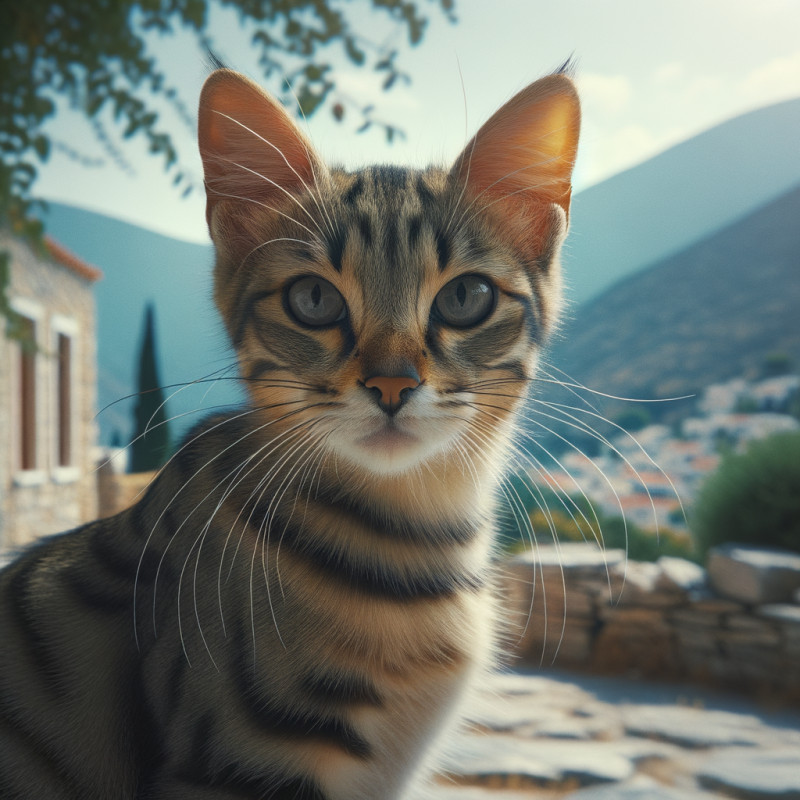
The Greek domestic cat is an ancient and beloved feline breed that boasts a distinct appearance and playful demeanor. Known for its medium size, muscular build, and agile nature, these cats are adorned with striking coats in various colors and patterns, enhancing their beauty. Their expressive eyes and alert ears reflect their inquisitive and intelligent personality, making them excellent companions for families and individuals alike. With a friendly and affectionate disposition, Greek domestic cats thrive on human interaction and are adaptable to different living environments, making them a popular choice for pet owners seeking a loyal and loving feline companion.
Adoption & Local Availability
If you’re looking to bring a greek domestic cat into your home, there are several ways to find one available for adoption. Below are options to explore both local availability and general listings.
Size and Appearance
Greek domestic cats are typically medium-sized felines with muscular bodies and proportionate features. They have slightly elongated faces with almond-shaped eyes, usually in shades of green or gold. Their ears are of medium size, set high on the head, and rounded at the tips. These cats have short to medium coats that are dense and come in a variety of colors and patterns, including tabby, solid, and bicolor. Overall, the Greek domestic cat boasts an elegant and agile appearance, exuding a sense of grace and athleticism.
Health and Lifespan
Greek domestic cats are known for their robust health and long lifespan. With proper care, these cats can live up to 15-20 years or even longer. They are generally a healthy breed with minimal genetic health issues. Regular veterinary check-ups, a balanced diet, and plenty of exercise help ensure their wellbeing. As with all cats, maintaining a clean living environment and providing mental stimulation are key factors in promoting their longevity and overall health. Ensuring they are up to date on vaccinations and preventive care also plays a crucial role in keeping them healthy throughout their lives.
Family Compatibility
The Greek domestic cat is known for its excellent family compatibility, making it a great addition to households of all sizes. These cats are affectionate, gentle, and social creatures that bond closely with their human companions. They are known to be good with children, enjoying interactive play and cuddle sessions. Greek domestic cats also tend to get along well with other pets in the household, displaying a friendly and tolerant attitude towards them. Their adaptable nature and friendly demeanor make them a wonderful choice for families looking for a loving and sociable feline companion.
Exercise Needs
Greek domestic cats are known for their moderate exercise needs. These agile and playful felines enjoy interactive play sessions to stay mentally and physically stimulated. Providing opportunities for climbing, chasing toys, and exploring their environment is essential for their well-being. It's important to engage them in activities that mimic their natural hunting instincts to keep them entertained and prevent boredom. Regular playtime sessions are crucial for maintaining their overall health and happiness. Consider incorporating puzzle toys and vertical spaces into their daily routines to help satisfy their need for exercise and mental stimulation.
Diet and Feeding
Greek domestic cats thrive on a diet rich in high-quality protein derived from sources like poultry, fish, and meat. It's essential to provide a balanced blend of nutrients, including vitamins and minerals, through both commercial cat food and occasional treats suitable for feline consumption. Adequate fresh water must always be available to maintain hydration. Portion control is crucial to prevent obesity, especially in less active indoor cats. Consulting a veterinarian for personalized dietary recommendations and understanding any specific dietary sensitivities or preferences of your unique feline companion is recommended for optimal health and well-being.

Living Environment
Greek domestic cats thrive in a variety of living environments, but they are particularly well-suited for indoor living due to their affectionate nature and moderate energy levels. They enjoy having access to sunny spots for lounging, cozy hiding spaces for solitude, and vertical spaces for climbing and perching. It's important to provide mental stimulation through toys and interactive play to keep these intelligent cats engaged. Safety precautions should be taken to ensure they cannot escape outdoors, as they may not possess the survival skills of feral cats. Overall, a loving and stimulating indoor environment is ideal for the happiness and well-being of these delightful feline companions.
Grooming
Grooming for the domestic cat breed from Greece is relatively low maintenance due to their short, smooth coat. Regular brushing helps reduce shedding and prevent matting. Bathing is usually unnecessary, as these cats are typically self-groomers and stay clean on their own. However, occasional grooming sessions can help maintain their coat's health and shine. Trimming their nails regularly is important, along with cleaning their ears and brushing their teeth to ensure overall hygiene. It's also essential to monitor for any skin issues or parasites during grooming sessions.
Training and Intelligence
Greek domestic cats are known for their exceptional intelligence, making them highly trainable compared to other cat breeds. With consistent positive reinforcement and rewards-based training methods, these cats can quickly learn tricks, commands, and even use litter boxes effortlessly. Their curious and eager-to-learn nature facilitates training sessions, and their agile minds excel in puzzle-solving tasks. Greek domestic cats are quick to pick up on routines and enjoy mental stimulation, making training an enjoyable and rewarding experience for both the cat and the owner.
Exercise and Activity Requirements
Exercise and Activity Requirements:
Greek domestic cats are playful and energetic by nature, requiring regular exercise to keep them mentally and physically stimulated. Engaging them in interactive play sessions, providing climbing structures, and offering toys can help meet their activity needs. Daily playtime and access to safe outdoor spaces enrich their quality of life and prevent boredom-related issues. Incorporating puzzle feeders or treat-dispensing toys can also help satisfy their natural hunting instincts. Regular exercise not only promotes their physical health but also strengthens the bond between cats and their owners.
Socialization
Socialization plays a crucial role in the well-being of these cats, as they thrive on human companionship. Early and consistent exposure to various people, animals, and environments helps them develop into friendly and adaptable pets. Greek domestic cats are known for their sociable nature and enjoy interacting with their owners. Engaging them in play and positive experiences from a young age can help foster strong bonds and prevent any potential behavioral issues. Regular socialization efforts are recommended to ensure these cats remain comfortable in different situations and continue to exhibit their lovable and affectionate personalities.
Lifespan
The lifespan of the Greek domestic cat typically ranges between 15 to 20 years, with proper care and a healthy lifestyle. Regular veterinary check-ups, a balanced diet, and regular exercise play key roles in ensuring a long and healthy life for these beloved feline companions. Genetics, environment, and overall well-being also contribute significantly to the longevity of these cats, making them cherished members of the family for many years to come. Providing a safe and comfortable home, along with affectionate care, can help prolong the lifespan of these special feline friends.
Common Behavioral Issues
Common behavioral issues in Greek domestic cats may include territorial behavior, excessive meowing, and scratching. Due to their independent nature, they can be prone to becoming possessive of their space. Regular play sessions and mentally stimulating activities are crucial to prevent boredom and subsequent behavioral problems. Providing scratching posts and interactive toys can help redirect their energy. Consistent training and positive reinforcement are essential for addressing any behavioral issues that may arise, ensuring a harmonious relationship between the cat and its human companions. Consulting with a veterinarian or animal behaviorist for guidance can also be beneficial in managing and correcting challenging behaviors.
Special Considerations
Special Considerations: The Greek domestic cat, like many other domestic cat breeds, requires regular grooming to keep its coat healthy and reduce shedding. Additionally, being an active and intelligent breed, providing mental stimulation through interactive toys or puzzle feeders is essential to prevent boredom and potential behavioral issues. Due to their playful nature, it is important to provide ample space and opportunities for exercise to maintain their overall well-being. Finally, regular veterinary check-ups and vaccinations are crucial to ensure the health and longevity of these beloved feline companions.
Guardian Instincts
Greek domestic cats possess strong guardian instincts, making them excellent protectors of their territory and family members. Known for their natural alertness and territorial nature, these cats are quick to detect potential threats and alert their owners with vocalizations or body language. They are fiercely loyal and will go to great lengths to defend their loved ones from perceived dangers. This innate protective behavior is a defining trait of the breed, showcasing their deep bond with their human companions and their dedication to keeping them safe and secure.
Allergies and Shedding
Some individuals with allergies may tolerate the 'Greek domestic cat' breed due to their minimal shedding and low allergen levels. These cats have short to medium-length fur that requires minimal grooming, reducing the amount of dander they spread. Regular brushing can further decrease shedding and potential allergens, making them a suitable option for those with sensitivities. While no cat is completely hypoallergenic, the 'Greek domestic cat' is often favored by allergy sufferers for their manageable grooming needs and lower likelihood of triggering allergic reactions.
Cost of Ownership
The cost of ownership for the Greek domestic cat breed can vary significantly depending on several factors. Common expenses include initial adoption fees or purchase price, high-quality cat food, regular veterinary check-ups, vaccinations, grooming supplies, toys, and bedding. Additionally, potential costs to consider are unexpected veterinary emergencies, pet insurance, spaying/neutering, microchipping, and licensing fees. It's essential to provide a safe environment, enriching toys, scratching posts, and interactive play to meet their mental and physical stimulation needs. Ensuring a comfortable living space, routine veterinary care, and a balanced diet are crucial for the overall well-being of these feline companions.
Availability and Adoption
The Greek domestic cat is a popular breed known for its availability for adoption through local shelters, rescue organizations, and breed-specific rescues. These cats are often found in need of loving homes due to their friendly and adaptable nature, making them ideal companions for families and individuals alike. Potential adopters can easily find Greek domestic cats of various ages and colors, providing a diverse selection to choose from. Adopting a Greek domestic cat not only provides a loving home for a deserving animal but also creates a rewarding bond for both the cat and its new owner.
Famous Examples
Some famous examples of this beloved feline breed include the internet sensation, the 'Aegean cat' from the Greek islands, known for its stunning coat and playful demeanor. Another notable figure is the cat named 'Hermes', who gained popularity due to their intelligence and agility, showcasing the breed's quick wit and physical prowess. These famous Greek cats embody the essence of the breed, displaying their charming and friendly nature, making them cherished companions and admired worldwide for their unique characteristics and endearing personalities.
Questions & Answers
1) Is the greek domestic cat a good fit for families or first-time owners?
Yes, the Greek domestic cat is known for being great companions for families and first-time owners. They are friendly, adaptable, and enjoy human interaction.
2) How much exercise and daily care does a greek domestic cat require?
Greek domestic cats are moderately active and require daily play sessions to stay mentally and physically stimulated. Regular grooming and routine veterinary check-ups are also important.
3) What health issues are common in greek domestic cat?
Some common health concerns for Greek domestic cats include dental issues, obesity, and respiratory problems. Regular veterinary care and a balanced diet can help prevent these issues.
4) What is the typical personality of a greek domestic cat?
Greek domestic cats are known for being affectionate, social, and intelligent. They enjoy being around people and are usually good with children and other pets.
5) Are greek domestic cats known for being vocal?
Greek domestic cats are not typically very vocal compared to some other breeds. They may meow occasionally to communicate their needs or desires.
6) Do greek domestic cats have any specific dietary requirements?
Greek domestic cats do not have specific dietary requirements, but a balanced diet that meets their nutritional needs is essential for their health and well-being.
7) Are greek domestic cats prone to excessive shedding?
Greek domestic cats have a short to medium-length coat that requires regular grooming to control shedding. Brushing a few times a week can help minimize loose fur around the house.