
German Rex - Complete Breed Guide
German Rex - Complete Breed Guide
Breed Overview
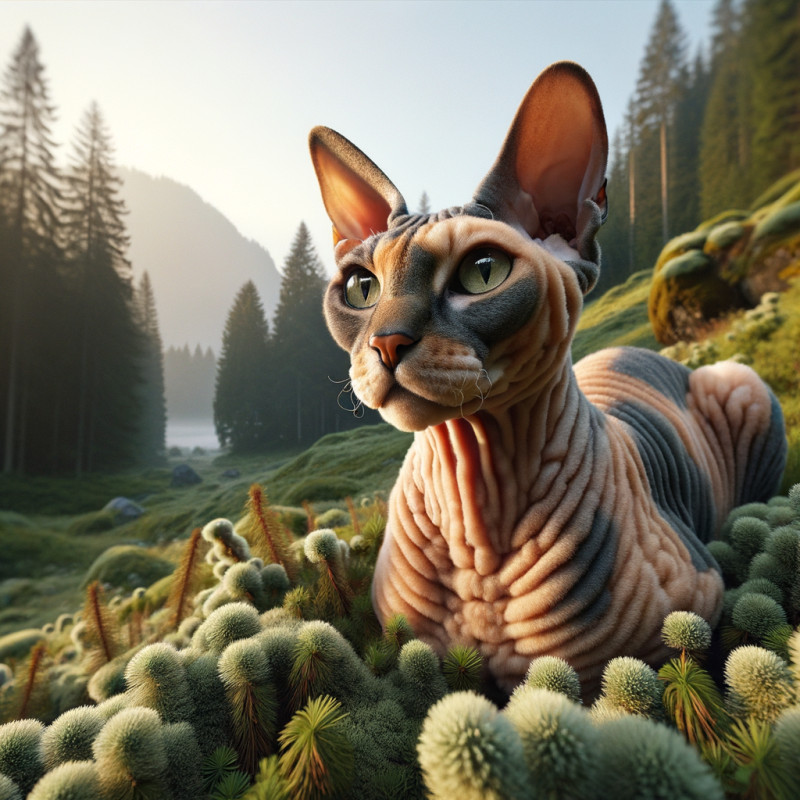
The German Rex breed is characterized by its curly, soft coat that lies close to the body. These cats are medium in size with a sophisticated appearance, showcasing elegant lines and well-defined features. Known for their affectionate and playful nature, German Rex cats make excellent companions for families and individuals alike. They are social and enjoy being a part of household activities, forming strong bonds with their owners. Despite their wavy fur, grooming is relatively easy, requiring only occasional brushing to keep their coat looking its best. In conclusion, the German Rex breed is a charming and delightful addition to any home.
Adoption & Local Availability
If you’re looking to bring a german rex into your home, there are several ways to find one available for adoption. Below are options to explore both local availability and general listings.
Size and Appearance
German Rex cats are medium-sized with a slender, elegant body. They have a distinctive curly coat that is soft, short, and lies close to their body. Their head is round with prominent cheekbones and large, expressive eyes set wide apart. They have medium-sized ears that are rounded at the tips. German Rex cats have a short, fine-boned tail that tapers to a rounded tip. Their overall appearance is graceful and agile, with a friendly and alert expression.
Health and Lifespan
German Rex cats are generally healthy with no specific breed-related health issues. With proper care, they can live an average lifespan of 10-15 years. Maintaining regular veterinary check-ups, a balanced diet, and engaging in regular exercise will contribute to their overall well-being and longevity. It's essential to monitor their weight and dental health to prevent obesity and dental issues as they age. Additionally, providing a stimulating environment and mental stimulation can help maintain their physical and mental health as they age, ensuring a happy and healthy life for your beloved pet.
Family Compatibility
German Rex cats are known for their affectionate and loving nature, making them excellent companions for families. They thrive on human interaction and enjoy being involved in daily activities. With their friendly and social personality, German Rex cats are great with children and other pets, forming strong bonds with their family members. Their adaptable and easygoing temperament allows them to fit in well with various household dynamics, making them a wonderful addition to any family looking for a devoted and interactive feline companion.
Exercise Needs
German Rex cats have moderate exercise needs, requiring interactive play sessions to stay physically and mentally stimulated. Engaging in activities like chasing toys, climbing cat trees, and solving puzzle feeders can help fulfill their need for movement and mental challenges. Providing opportunities for exploration both indoors and in safe outdoor spaces can also promote their overall well-being. Regular playtime and exercise not only keep these cats in good physical shape but also strengthen the bond between the cat and their human companions. It is important to tailor exercise routines to the individual cat's preferences and energy levels to ensure their needs are met.
Diet and Feeding
German Rex cats thrive on a balanced diet that includes high-quality protein sources such as poultry, fish, and meat. They have a sensitive stomach, so it's crucial to avoid overfeeding and stick to a consistent feeding schedule. Offer a variety of textures and flavors to keep them interested and ensure they receive essential nutrients. Incorporate wet food for hydration and monitor their weight to prevent obesity. Remember to provide fresh water at all times and consult with a veterinarian to establish a suitable diet plan tailored to the individual needs of your German Rex cat.
Living Environment
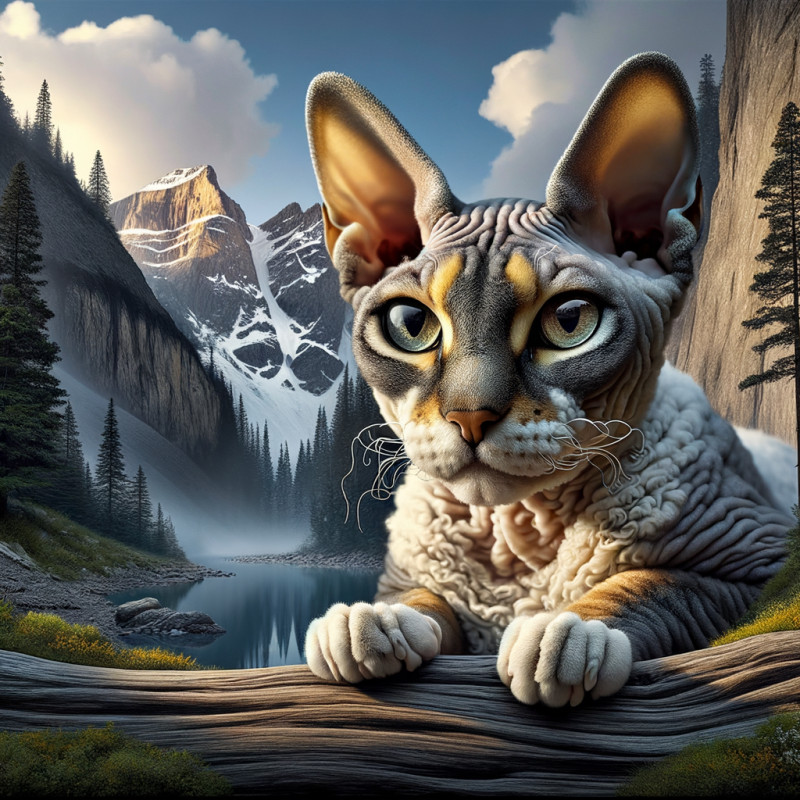
German Rex cats thrive in a cozy and comfortable living environment with plenty of opportunities for interaction and play. These social and affectionate cats enjoy being part of the family activities and will appreciate having access to various toys and scratching posts. As they are people-oriented, they prefer not to be left alone for long periods and will benefit from having a companion or regular human interaction. Providing comfortable resting spots and cozy hiding places will allow them to feel secure and content in their living space. Ultimately, a loving and stimulating environment is key to keeping a German Rex happy and healthy.
Grooming
The German Rex breed has a unique, short, and curly coat that requires minimal grooming. Regular brushing helps prevent matting and removes loose fur. Due to their low shedding, they are considered a hypoallergenic breed, making them suitable for individuals with allergies. Bathing is only necessary occasionally, as their coat does not produce as much oil as other breeds. However, their ears should be checked and cleaned regularly to prevent any build-up of wax or debris. Overall, the German Rex's grooming needs are relatively low-maintenance compared to other cats.
Training and Intelligence
These intelligent cats are highly trainable, quickly picking up tricks and commands. Positive reinforcement techniques work best with this breed, as they are sensitive to harsh discipline. German Rex cats enjoy mental stimulation, making training sessions a great way to bond with them. They respond well to interactive toys and puzzle games that challenge their intellect. Consistent training from an early age can help reinforce good behaviors and foster a strong relationship between the cat and their owner. With patience and positive reinforcement, German Rex cats can excel in various training activities, showcasing their intelligence and eagerness to learn.
Exercise and Activity Requirements
German Rex cats are playful and energetic, requiring regular exercise to maintain their health and happiness. Engaging them in interactive play sessions, providing climbing structures, and offering toys can help meet their activity needs. Regular playtime not only keeps them physically fit but also stimulates them mentally, preventing boredom and destructive behaviors. It is essential to create a stimulating environment that allows them to explore, climb, and play to ensure they get enough exercise and mental stimulation each day. With proper attention to their activity requirements, German Rex cats can thrive and live a happy, fulfilled life.
Socialization
Socialization is crucial for these beloved cats, as they thrive on companionship and interaction. From an early age, it is important to expose them to various people, environments, and situations to ensure they grow up to be well-adjusted and confident. German Rex cats are known for their friendly and outgoing nature, making them excellent companions for families and individuals alike. Regular socialization helps prevent shyness or fearfulness, fostering a strong bond with their human family members. Engaging in interactive play, positive reinforcement training, and plenty of affectionate attention will help these sociable cats feel happy and secure in their environment.
Lifespan
German Rex cats typically live for an average of 10 to 15 years with proper care and nutrition. Regular visits to the veterinarian, a balanced diet, and a safe environment are essential to ensuring a longer lifespan for these playful and friendly felines. Additionally, providing plenty of mental and physical stimulation, along with love and attention, can contribute to the overall health and well-being of German Rex cats, helping them live a fulfilling and satisfying life for many years to come.
Common Behavioral Issues
Common behavioral issues in German Rex cats may include excessive vocalization, especially when seeking attention. They are known for their playful and active nature, which can sometimes lead to impulsive behaviors such as knocking over objects or climbing onto high surfaces. German Rex cats tend to be social and affectionate, but some individuals may exhibit signs of separation anxiety when left alone for extended periods. Providing ample mental and physical stimulation, along with a consistent routine, can help prevent or mitigate behavioral problems in this breed. Proper socialization from a young age is essential to ensure well-rounded and well-behaved German Rex cats.

Special Considerations
Special Considerations: The German Rex breed has unique care requirements due to its curly coat. Regular grooming is essential to prevent matting and ensure a healthy coat. Gentle handling is important to avoid damaging the delicate fur, as well as regular baths to keep the coat clean and moisturized. Due to their playful nature, providing plenty of interactive toys and mental stimulation is crucial for their well-being. Additionally, monitoring their diet closely, as they may have specific nutritional needs, can help maintain their overall health and vitality. Regular veterinary check-ups are recommended to address any potential health issues promptly.
Guardian Instincts
The German Rex cats are known for their strong guardian instincts, always being alert and protective of their territory and family. They have a natural curiosity that leads them to investigate any potential threats or unfamiliar situations. These cats will often patrol their surroundings, keeping a watchful eye on their surroundings. Despite their small size, German Rex cats are fearless and will not hesitate to defend their loved ones if they sense any danger. Their loyal and vigilant nature makes them excellent companions for those seeking a cat with innate protective instincts.
Allergies and Shedding
These unique felines are known for their hypoallergenic coats, making them ideal for individuals with allergies. Their lack of an undercoat reduces shedding and dander production, minimizing allergic reactions commonly associated with other breeds. The German Rex's curly fur requires minimal grooming, further decreasing the spread of allergens in the home. With their low-shedding coat and hypoallergenic qualities, German Rex cats are the perfect choice for allergy sufferers looking for a loving and low-maintenance companion.
Cost of Ownership
The cost of owning a German Rex cat includes initial expenses such as adoption or purchase fees, vaccinations, spaying/neutering, and microchipping. Recurring costs may include high-quality cat food, regular veterinary check-ups, grooming supplies, and toys. Additional expenses to consider are pet insurance, emergency medical care, and boarding costs if needed. It's important to budget for potential health issues specific to the breed, such as skin allergies. Investing in a scratching post and cat tree can help prevent furniture damage. Overall, providing a loving and enriching environment for a German Rex cat is a fulfilling but financially responsible commitment.
Availability and Adoption
'German Rex' cats are relatively rare and may not be readily available for adoption compared to more common breeds. Due to their scarcity, interested individuals may need to invest time in finding a reputable breeder or rescue organization specializing in this unique breed. Potential adopters should be patient and persistent in their search, as 'German Rex' cats can bring joy and companionship to their new families. It is essential to ensure a suitable living environment and the necessary resources to care for these special felines before considering adoption.
Famous Examples
One of the most well-known examples of this particular breed is Whiskers, a famous feline who gained popularity on social media for his unique curly coat and affectionate demeanor. Whiskers has been featured in various magazines and even had a cameo in a popular cat food commercial. Another notable example is Mittens, a German Rex cat who holds the Guinness World Record for the longest whiskers on a domestic cat, measuring an impressive 7.5 inches. These famous German Rex cats showcase the breed's striking appearance and friendly personality, capturing the hearts of cat lovers worldwide.
Questions & Answers
1) Is the german rex a good fit for families or first-time owners?
Yes, German Rex cats are known for their friendly and sociable nature, making them great companions for families and first-time cat owners.
2) How much exercise and daily care does a german rex require?
German Rex cats are moderately active and enjoy interactive play sessions. Daily grooming is recommended to maintain their curly coat.
3) What health issues are common in german rex?
German Rex cats are generally healthy, but they may be prone to genetic conditions such as Hypertrophic Cardiomyopathy (a heart condition) and patellar luxation (kneecap dislocation). Regular vet check-ups are important.
4) What is the temperament of a german rex?
German Rex cats are affectionate, intelligent, and playful. They enjoy being around people and are known to form strong bonds with their owners.
5) Does the german rex get along well with other pets?
German Rex cats are usually sociable and can get along well with other pets, including dogs, if they are properly introduced and supervised.
6) How should the curly coat of a german rex be cared for?
The unique curly coat of a German Rex should be gently groomed regularly to prevent matting and maintain its soft texture. A soft brush or comb can be used.
7) Are german rex cats vocal?
German Rex cats are not typically known for being excessively vocal. They may communicate through soft chirps and trills rather than loud meows.