
Extra Toes Cat - Complete Breed Guide
Extra Toes Cat - Complete Breed Guide

Breed Overview
The cat breed known for its unique genetic mutation resulting in additional toes on each paw is a fascinating feline with historical roots tracing back to the northeastern United States and parts of Canada. These polydactyl cats are beloved for their charming and quirky appearance, often described as having adorable "mitten" paws. Beyond their physical trait, extra toes cats are known for their friendly and affectionate demeanor, making them wonderful companions for families and individuals alike. With a playful and curious nature, these cats are sure to capture the hearts of those seeking a special and endearing pet.
Adoption & Local Availability
If you’re looking to bring a extra toes cat into your home, there are several ways to find one available for adoption. Below are options to explore both local availability and general listings.
Size and Appearance
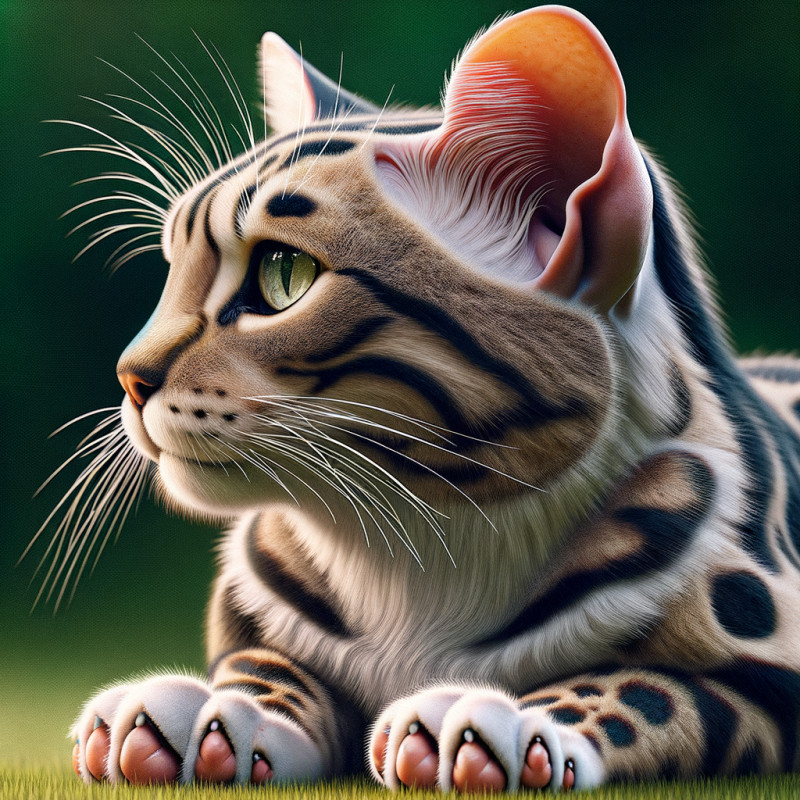
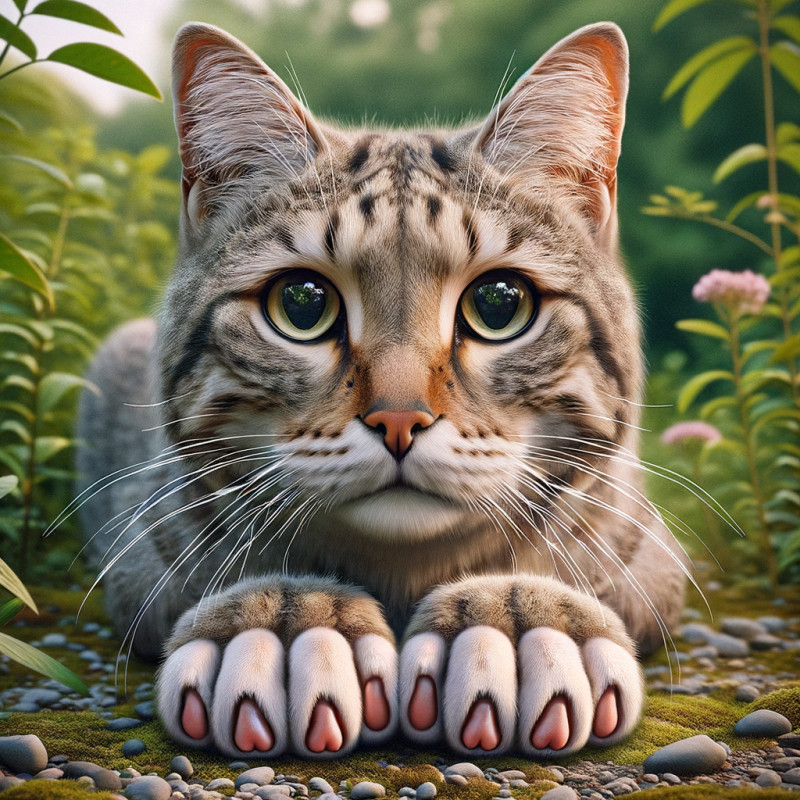
Extra toes cats, also known as polydactyl cats, typically display a medium to large size, with a sturdy build and muscular body. Their appearance is distinctive, featuring an additional number of toes on one or more paws compared to standard feline breeds. These cats often have a charming and quirky look due to their extra digits, which can resemble mittens or snowshoes. Despite their unique physical trait, polydactyl cats come in a variety of colors and coat patterns, further adding to their appeal and individuality. Their overall appearance is captivating and endearing, making them beloved companions for cat lovers worldwide.
Health and Lifespan
These unique felines are generally healthy, with an average lifespan of 12-18 years. However, they can be prone to certain health issues common in cats, such as obesity and joint problems due to their extra toes. Regular veterinary check-ups and a balanced diet are essential to ensure their well-being and longevity. Additionally, providing them with appropriate exercise and mental stimulation can help prevent health issues and keep them healthy throughout their lives. Ultimately, with proper care and attention, these delightful cats can live long, happy lives as cherished members of the family.
Family Compatibility
Family Compatibility: Known for their friendly and sociable nature, these unique felines get along well with both children and other pets, making them an excellent choice for families. Their affectionate and playful demeanor allows them to form strong bonds with their human companions, providing endless entertainment and companionship for all family members. Their adaptability and easygoing personality make them a great addition to any household, thriving on love and attention from those around them. With their extra toes adding to their charm, these cats are sure to bring joy and warmth to any family environment.
Exercise Needs
'Extra toes cats' are typically playful and active cats that require regular exercise to stay healthy and happy. Engaging in interactive play sessions using toys will help fulfill their need for physical activity and mental stimulation. Providing climbing structures and scratching posts can also help satisfy their natural instincts to climb and scratch. Daily exercise and playtime are essential for 'extra toes cats' to prevent obesity and boredom, ensuring they lead a balanced and enriched life. Regularly engaging in activities that promote movement and mental engagement will contribute to the overall well-being and longevity of these unique felines.
Diet and Feeding
Extra Toes Cats may require a specialized diet to maintain a healthy weight and prevent joint issues due to their unique genetic makeup. A balanced diet rich in protein, essential fatty acids, and vitamins is essential for their overall well-being. It's recommended to feed them high-quality cat food specifically designed for their nutritional needs. Monitoring their food intake and preventing overfeeding is crucial to prevent obesity, which can exacerbate any potential joint problems. Additionally, providing access to fresh water at all times is essential to ensure they stay hydrated and healthy. Consulting with a veterinarian for personalized dietary recommendations is always advisable for Extra Toes Cats.
Living Environment
Extra toes cats thrive in indoor environments where they can safely explore and play. They enjoy interactive toys and climbing structures to satisfy their energetic nature. Providing cozy spots for lounging and plenty of vertical space for perching is essential. Access to sunny windows for bird watching and natural light is also beneficial for their well-being. Maintaining a clean litter box and offering opportunities for mental stimulation, such as puzzle feeders or clicker training, will keep these intelligent felines content in their living environment. Regular play sessions and affectionate interactions with their human companions are key to keeping them happy and healthy.
Grooming
Extra toes cats require regular grooming due to their unique physical characteristics. Their extra toes can sometimes result in fur accumulating between the pads, so it's essential to check and clean this area regularly. Brushing your extra toes cat's fur is important to prevent mats and tangles, as their extra toes can make it more challenging for them to groom themselves thoroughly. Additionally, trimming their nails is crucial to prevent them from becoming ingrown or causing discomfort. Keep their coat healthy and shiny by grooming them regularly, and pay special attention to their extra toes to ensure they stay clean and well-maintained.
Training and Intelligence
Training and Intelligence:
Extra Toes Cats are highly intelligent and can be easily trained using positive reinforcement techniques. They are known for their problem-solving abilities and enjoy interactive play sessions that challenge their minds. These cats are quick learners and can be taught tricks, agility courses, and even basic commands. With their curious nature and high intelligence, Extra Toes Cats excel in clicker training and can quickly pick up new behaviors. Consistent training and mental stimulation are key to keeping them engaged and happy, as they thrive on challenges that test their cleverness and wit.
Exercise and Activity Requirements
Exercise and Activity Requirements:
The 'extra toes cat' breed is known for their high energy levels and playful nature, requiring ample exercise and mental stimulation to thrive. Engaging in interactive play sessions, providing climbing structures, and offering toys can help fulfill their need for physical activity. Regular playtime and opportunities to explore their environment are essential to prevent boredom and ensure their overall well-being. Daily exercise routines, such as interactive toys and puzzle feeders, can help keep them mentally sharp and physically fit. It is important to encourage their natural instincts to climb, jump, and play to keep them happy and healthy.
Socialization
Extra toes cats are renowned for their sociable nature. They thrive on human interaction and enjoy being part of a family. When it comes to socialization, these cats are affectionate, friendly, and love to be around people. They are known for forming strong bonds with their owners and are often described as loyal companions. Additionally, they tend to get along well with other pets in the household, making them a great choice for multi-pet families. Regular socialization activities, such as playtime and grooming, further strengthen the bond between extra toes cats and their human companions.
Lifespan
Extra toes cats have a lifespan comparable to that of other domestic cats. On average, these unique felines can live anywhere from 12 to 18 years or even longer with proper care and attention to their health. Factors that can influence their lifespan include genetics, diet, exercise, and overall well-being. Regular veterinary check-ups, a balanced diet, and a safe environment to explore can all contribute to ensuring extra toes cats live a long and healthy life. With the right care and love, these charming polydactyl cats can be cherished family members for many years.
Common Behavioral Issues
Common behavioral issues in the special breed known for its additional digits can include excessive scratching due to the increased number of toes, which may lead to furniture damage if not provided with appropriate scratching posts. These cats are also known to be more prone to polydactyl-specific health concerns, such as ingrown claws or mobility issues. Additionally, their unique physical trait may result in challenges during grooming, requiring extra care and attention to prevent matting and discomfort. Providing mental stimulation and engaging playtime can help address any behavioral issues and ensure a happy and well-adjusted polydactyl cat.
Special Considerations
When caring for a cat with extra toes, it is essential to pay attention to their unique foot structure. Regular nail trimming is crucial to prevent any issues related to overgrown nails and ensure their comfort. Additionally, because these cats may have difficulty grooming themselves due to their extra toes, regular brushing and grooming sessions are recommended to keep their coat clean and mat-free. Finally, providing sturdy and stable scratching posts is important to accommodate their extra digits and prevent any potential injuries while scratching.
Guardian Instincts
'Extra toes cats' exhibit strong guardian instincts, often displaying a protective nature towards their human companions and territory. They are known to be attentive and vigilant, keeping a close eye on their surroundings for any potential threats. These cats are quick to alert their owners of unfamiliar sounds or visitors, showing a remarkable sense of loyalty and dedication to their family. With their innate sense of awareness and intuition, 'extra toes cats' make excellent guardians, providing a sense of security and comfort to those around them.
Allergies and Shedding
The unique genetic mutation in cats that results in extra toes can sometimes lead to increased shedding, which may exacerbate allergies in sensitive individuals. This breed's extra toes can trap more dirt and debris, requiring regular grooming to minimize shedding and reduce allergic reactions. Despite the potential for heightened shedding and allergens, proper maintenance through regular grooming and cleaning can help mitigate these issues and ensure a healthy and comfortable living environment for both the cat and its owner.
Cost of Ownership
When considering the cost of owning a cat of this unique breed known for its polydactylism, potential owners should account for various expenses. Initial costs may include adoption fees or purchase price, vaccinations, spaying or neutering, and microchipping. Ongoing expenses typically consist of high-quality cat food, annual veterinary check-ups, grooming supplies, toys, and bedding. Additionally, pet insurance, grooming services, and emergency medical care should be factored in for a comprehensive understanding of the financial responsibilities associated with caring for a cat with extra toes. By budgeting appropriately, prospective owners can ensure they provide the best care for these fascinating felines.
Availability and Adoption
These unique felines, known for their polydactyl paws, can be found in both shelters and breed-specific rescues. Due to their distinctive appearance, extra toes cats are often in high demand, making them somewhat rare to come across for adoption. Potential adopters interested in welcoming an extra toes cat into their home may need to be patient and diligent in searching for available cats in shelters or rescue organizations. It is important to thoroughly research the specific needs and characteristics of these cats before welcoming them into one's family to ensure a happy and harmonious adoption process.
Famous Examples
There have been several famous examples of cats with extra toes, also known as polydactyl cats. One of the most well-known was Ernest Hemingway's cat, Snow White, who lived at the author's house in Key West, Florida. Another famous polydactyl cat was Paddles, the First Cat of New Zealand, who belonged to the country's Prime Minister Jacinda Ardern. These unique cats have captured the hearts of many and have left a lasting impression with their adorable and quirky extra toes.
Questions & Answers
1) Is the extra toes cat a good fit for families or first-time owners?
Yes, extra toes cats are known for their friendly and sociable nature, making them a great fit for families and first-time cat owners.
2) How much exercise and daily care does a extra toes cat require?
Extra toes cats are typically active and playful, requiring regular interactive play sessions and mental stimulation. Daily grooming to maintain their extra toes is also recommended.
3) What health issues are common in extra toes cat?
Extra toes cats may be prone to certain foot-related issues such as claw overgrowth or joint problems due to their unique anatomy. Regular veterinary check-ups can help monitor and address these concerns.
4) Are extra toes cats a recognized breed by major cat associations?
Yes, extra toes cats, also known as polydactyl cats, are recognized by major cat associations such as The International Cat Association (TICA) and the Cat Fanciers' Association (CFA).
5) Do extra toes cats have any special physical characteristics aside from the extra toes?
In addition to their extra toes, extra toes cats may have larger than average paws and a unique, almost mystical appearance often associated with good luck.
6) Do extra toes cats have any specific dietary requirements?
While extra toes cats do not typically have specific dietary requirements, it's important to provide them with a balanced diet to maintain their overall health and weight.
7) How should extra toes cats' grooming routine differ from regular cats?
Due to their extra toes, extra toes cats may require more frequent nail trimming and attention to their paws to prevent any discomfort or issues related to their unique foot structure.