
Domestic Short Hairwhite - Complete Breed Guide
Domestic Short Hairwhite - Complete Breed Guide
Breed Overview
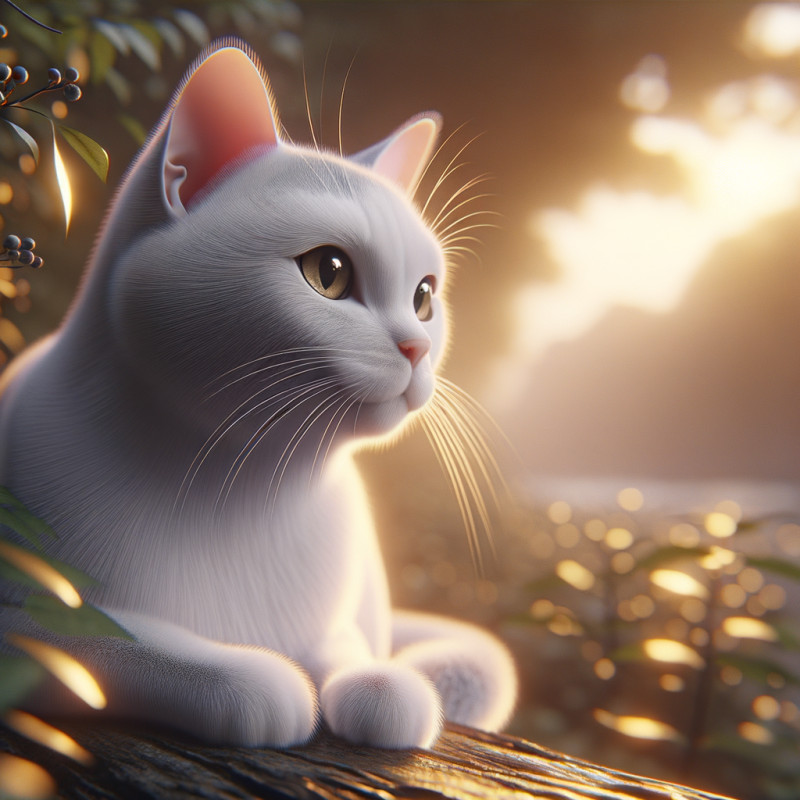
The white variant of the domestic short hair cat is a popular breed known for its sleek, short coat that comes in a variety of striking white hues. These cats boast a friendly and adaptable personality, making them ideal companions for families or individuals alike. Their playful nature and affectionate demeanor make them wonderful pets for households of all sizes. With their low-maintenance grooming needs and overall good health, these cats are a favorite choice for cat lovers looking for a lovable and charming feline friend to welcome into their homes.
Adoption & Local Availability
If you’re looking to bring a domestic short hairwhite into your home, there are several ways to find one available for adoption. Below are options to explore both local availability and general listings.
Size and Appearance
These cats typically have a medium-sized body with a muscular build. Their short, sleek white coat usually requires minimal grooming to maintain. They have round faces with large expressive eyes, often in shades of gold or green, and cute, pink noses. Their ears are medium in size and may have tufts on the tips. White domestic short hair cats generally have a graceful and elegant appearance, with agile movements that showcase their athletic ability. Overall, their striking appearance and friendly demeanor make them popular and beloved pets in many households.
Health and Lifespan
White domestic short hair cats are generally healthy and have an average lifespan of 12 to 15 years, with many living well into their late teens and even early twenties with proper care. Common health issues include dental problems, obesity, and deafness in white cats with blue eyes. Regular vet check-ups, a balanced diet, and keeping them indoors can significantly enhance their overall health and longevity. It's important to monitor their weight, provide dental care, and ensure they have a safe environment to thrive and maintain their well-being throughout their lives.
Family Compatibility
Family Compatibility: The 'domestic short hairwhite' cat breed is well-known for its exceptional compatibility with families. These cats are affectionate, sociable, and enjoy being part of the family dynamic. They are tolerant of children and other pets, making them fantastic companions for households with multiple members. Their playful nature and adaptable personalities ensure they can easily fit into various family routines and lifestyles. 'Domestic short hairwhite' cats thrive on attention and love interacting with their human family members, creating a strong bond that enhances the overall family experience.
Exercise Needs
White Domestic Short Hair cats have moderate exercise needs. Engaging them in interactive play sessions and providing cat toys can help them stay active and maintain a healthy weight. Activities like chasing laser pointers, playing with feather wands, and using puzzle toys can be enjoyable ways to keep them mentally and physically stimulated. However, they also enjoy lounging and observing their surroundings, so providing vertical spaces for climbing and bird-watching can also satisfy their curiosity and exercise needs. Ensuring a balance between playtime and relaxation is key to keeping these cats happy and healthy.
Diet and Feeding
White domestic short hair cats have similar dietary needs to other domestic cats. A balanced diet rich in high-quality protein from sources like meat or fish is crucial for their overall health. White fur cats may be more prone to certain health issues like deafness, so providing a well-rounded diet to support their immune system and maintain a healthy weight is essential. It's important to consult with a veterinarian to determine the best feeding schedule and portion sizes based on individual needs, ensuring that the white domestic short hair cat stays happy and healthy throughout their life.
Living Environment
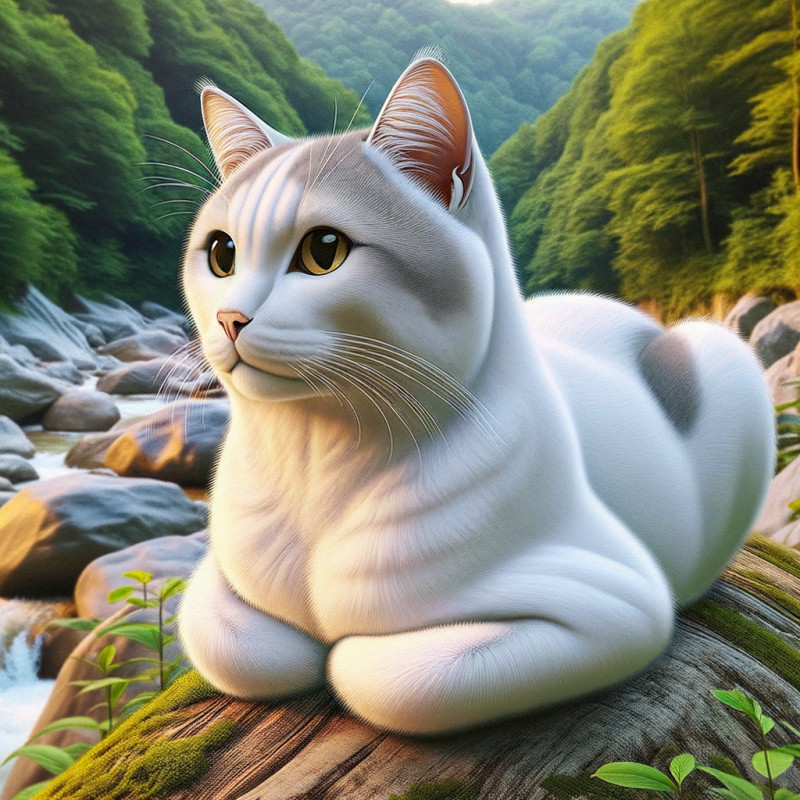
White domestic short hair cats thrive in various living environments, adapting well to both spacious homes and cozy apartments. They enjoy exploring their surroundings and are generally content indoors, with access to sunny windows for lounging and bird watching. Providing vertical spaces for climbing and interactive toys for mental stimulation is essential. These cats appreciate a predictable routine and a quiet, peaceful atmosphere to feel secure and comfortable. Whether in a bustling household or a serene setting, white domestic short hair cats will flourish with love, attention, and a safe environment.
Grooming
Grooming plays a crucial role in maintaining the sleek appearance of white domestic short hair cats. Their short coats require regular brushing to minimize shedding and prevent matting. Weekly grooming sessions also help to distribute skin oils evenly, promoting a healthy coat and skin. It's important to use a gentle slicker brush or comb to remove any loose fur and prevent hairballs. Additionally, occasional baths with cat-safe shampoo can help keep their coat clean and bright. Regular grooming not only enhances the aesthetic appeal of these cats but also contributes to their overall well-being.
Training and Intelligence
The domestic short hair cats with white fur are highly intelligent and trainable animals. They have a keen sense of curiosity and can quickly learn new tricks and commands through positive reinforcement training methods. These cats respond well to mental stimulation and enjoy interactive play sessions that challenge their cognitive abilities. With patience and consistency, domestic short hair white cats can be taught various behaviors and skills. It's essential to use rewards and praise to motivate these cats during training sessions, as they thrive on positive reinforcement and bond closely with their human family members through training activities.
Exercise and Activity Requirements
Exercise and Activity Requirements:
The white domestic short hair cat breed has moderate exercise needs to stay healthy and happy. Engaging in interactive play sessions, such as using feather wands or laser pointers, can help fulfill their need for mental and physical stimulation. Providing opportunities for climbing, scratching posts, and toys will also keep them active. This breed enjoys exploring their surroundings, so creating a safe indoor environment with hiding spots and elevated perches is beneficial. Regular playtime and activities will prevent boredom and ensure a well-rounded lifestyle for these energetic felines.
Socialization
Socialization is crucial for white domestic short hair cats to ensure they grow into well-adjusted and friendly companions. Early exposure to various people, animals, and environments helps them feel confident and secure in different situations. Providing positive interactions and experiences during kittenhood lays the foundation for their sociable nature. Regular playtime and gentle handling help foster their social skills and prevent shyness or fearfulness. Introducing new stimuli gradually and positively reinforces their social development, making them more adaptable and outgoing in their interactions with both humans and other pets.
Lifespan
The average lifespan of domestic short hair cats with white coats ranges between 12 to 20 years, with proper care and attention. Providing a balanced diet, regular exercise, and routine veterinary check-ups can help ensure these cats live a long and healthy life. Additionally, keeping them indoors to protect them from potential dangers such as predators and accidents can also contribute to their longevity. Monitoring their health closely as they age and addressing any issues promptly can further enhance their lifespan and quality of life.
Common Behavioral Issues
Common behavioral issues in this feline breed can include excessive vocalization, especially when seeking attention or feeling anxious. Additionally, they may exhibit territorial behavior, marking their surroundings with urine or scratching furniture. Some individuals may display aggression towards other cats or animals. Providing ample mental and physical stimulation, along with a consistent routine, can help mitigate these challenges. Proper socialization from a young age is crucial to prevent fearfulness or aloofness. Maintaining a calm environment and offering interactive toys can also assist in managing behavioral issues in this breed.
Special Considerations
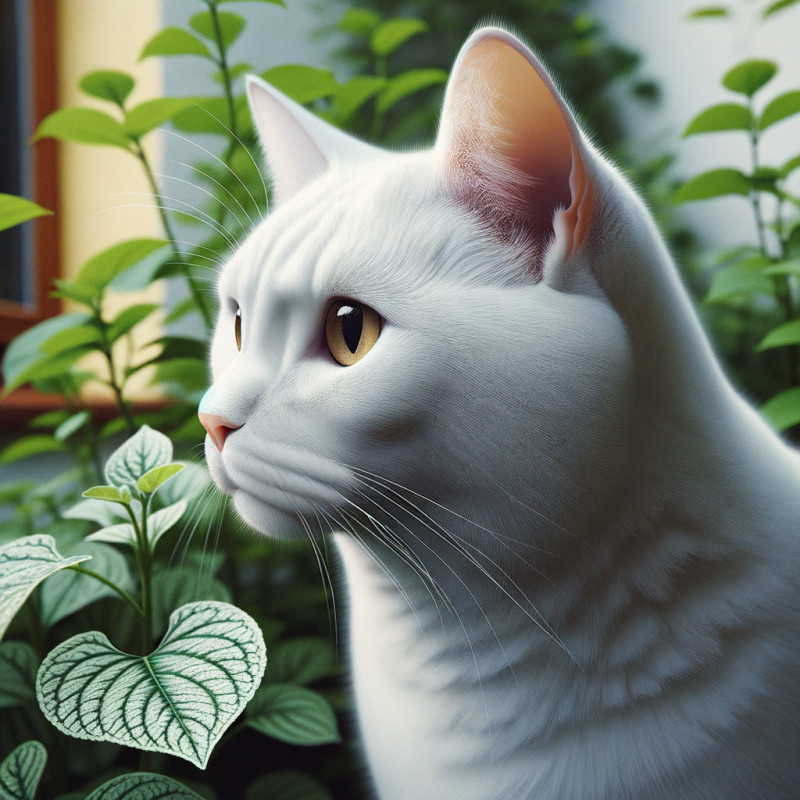
When caring for a cat of this breed, special considerations include regular grooming to prevent matting of the white fur, as well as potential sunburn due to the lack of pigmentation on their skin. Additionally, it's important to monitor their weight and provide ample exercise to prevent obesity, a common issue in white cats. Regular veterinary check-ups are essential to address any potential health concerns or genetic predispositions specific to white-coated cats, such as deafness or skin issues. Furthermore, ensuring they have a safe indoor environment can help protect their sensitive white coat and overall well-being.
Guardian Instincts
White cats with short hair exhibit strong guardian instincts, often feeling protective towards their human families and living spaces. They are known to keep a watchful eye on the household, alerting their owners to any perceived threats with their attentive nature. These cats display loyalty and affection towards their loved ones, forming strong bonds that result in a desire to protect and defend their territory. With their keen senses and quick reflexes, white short-haired cats make excellent guardians, ready to spring into action at the first sign of trouble, showcasing their fierce yet loving nature.
Allergies and Shedding
Allergies and Shedding: The domestic short hair cat breed, particularly the white variety, is known for being hypoallergenic due to their shorter fur and less shedding compared to other breeds. This makes them a great choice for individuals with allergies to cats. Their minimal shedding also means less maintenance in terms of grooming and cleaning up after them. Regular brushing can help reduce loose hair and minimize the risk of triggering allergies. Overall, the white domestic short hair cat is a practical and low-maintenance choice for those seeking a cat companion without the typical allergy-related concerns.
Cost of Ownership
The cost of ownership for white domestic short hair cats is typically moderate. Initial expenses include adoption or purchase fees, vaccinations, spaying/neutering, and microchipping. Monthly costs cover quality cat food, litter, toys, and routine veterinary care. Additional expenses may arise for grooming, dental cleanings, or unexpected medical issues. Pet insurance is recommended to help mitigate potential large veterinary bills. Overall, the cost of owning a white domestic short hair cat is manageable for most households, offering a rewarding companionship in return for the investment.
Availability and Adoption
'White' domestic short hair cats are widely available for adoption at animal shelters, rescue organizations, and through private individuals. Their popularity and abundance allow potential adopters to find a white domestic short hair cat with relative ease. These cats are often overlooked in shelters, making them a wonderful choice for those looking to provide a loving home to a deserving pet. Adoption fees are typically reasonable and cover vaccinations, spaying/neutering, and sometimes microchipping. Potential adopters should consider their home environment, lifestyle, and ability to provide proper care before adopting a white domestic short hair cat.
Famous Examples
Famous Examples: The breed's iconic white coats can be seen on well-known felines like Snowball, the star of a popular cat food commercial. Additionally, Marshmallow gained fame on social media for their striking white fur and charming personality, amassing a large following of admirers online. These famous domesticated white cats showcase the breed's versatility and appeal, captivating audiences with their elegant appearance and endearing traits.
Questions & Answers
1) Is the domestic short hairwhite a good fit for families or first-time owners?
Yes, domestic short hairwhite cats are known to be great pets for families and first-time owners. They are friendly, adaptable, and easy to care for.
2) How much exercise and daily care does a domestic short hairwhite require?
Domestic short hairwhite cats are moderate in their exercise needs. They enjoy interactive play sessions and will benefit from toys that keep them mentally stimulated. Daily care includes regular grooming to maintain their coat.
3) What health issues are common in domestic short hairwhite?
Common health issues in domestic short hairwhite cats include dental problems, obesity, and skin conditions. Regular vet check-ups and a balanced diet can help prevent these issues.
4) Do domestic short hairwhite cats have a friendly and sociable temperament?
Yes, domestic short hairwhite cats are known for their friendly and sociable nature. They often get along well with other pets and enjoy human companionship.
5) Are domestic short hairwhite cats prone to shedding?
Domestic short hairwhite cats do shed, but their short coat is generally easy to maintain with regular grooming. Brushing them a few times a week can help reduce shedding and keep their coat in good condition.
6) What is the average lifespan of a domestic short hairwhite cat?
Domestic short hairwhite cats have an average lifespan of around 12-15 years. With proper care, some can live even longer.
7) Are there any specific dietary requirements for domestic short hairwhite cats?
Domestic short hairwhite cats do not have any specific dietary requirements, but a balanced diet that meets their nutritional needs is important for their overall health. It's recommended to feed them high-quality cat food and monitor their weight to prevent obesity.