
Domestic Short Hairmitted - Complete Breed Guide
Domestic Short Hairmitted - Complete Breed Guide

Breed Overview
Originating from mixed-breed cats with short coats, domestic short hairmitted cats display a diverse range of colors and patterns. Their medium to large-sized bodies are sturdy and muscular, with expressive eyes that captivate admirers. Known for their friendly and affectionate nature, these cats adapt well to various living environments and enjoy interactive play with their human companions. With a lifespan ranging from 15 to 20 years, domestic short hairmitted cats are generally healthy and low-maintenance pets, making them a popular choice for families and individuals seeking a loving feline companion.
Adoption & Local Availability
If you’re looking to bring a domestic short hairmitted into your home, there are several ways to find one available for adoption. Below are options to explore both local availability and general listings.
Size and Appearance
Size and Appearance:
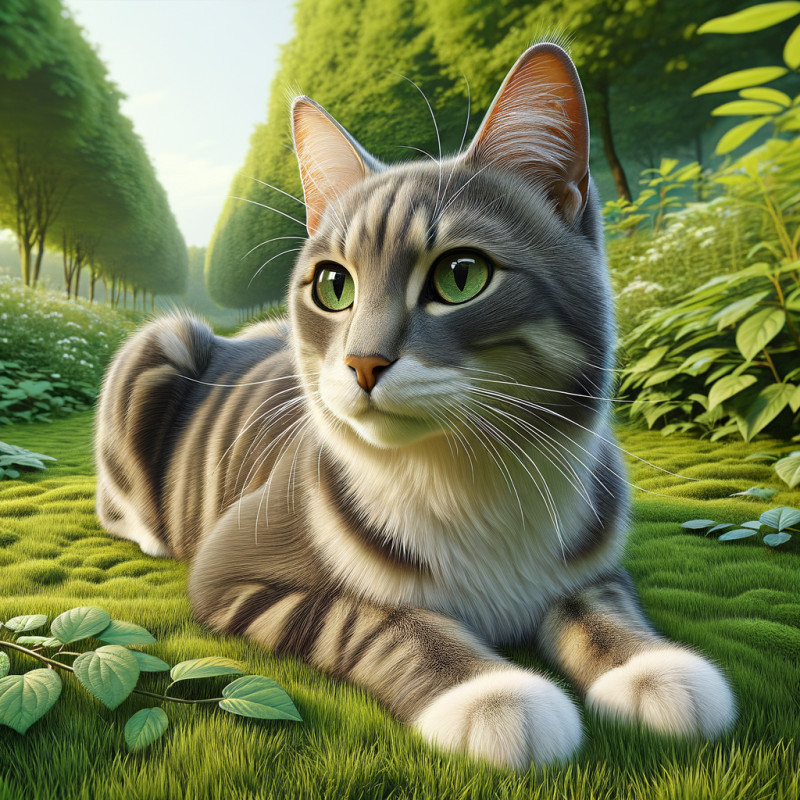
The domestic short hairmitted cat breed is known for its medium to large size and sturdy build. They have a sleek coat that comes in a variety of colors and patterns, including tabby, tuxedo, and calico. With expressive eyes that can range from green to gold, domestic short hairmitted cats have a charming and friendly appearance. Their rounded heads and medium-length tails add to their overall well-proportioned look. These cats are a picture of elegance and grace, showcasing a combination of beauty and athleticism in their physique.
Health and Lifespan
Health and Lifespan: Domestic short hair cats are generally robust and healthy with an average lifespan ranging from 15 to 20 years when provided with proper care. Common health issues that may affect this breed include dental problems, obesity, and skin conditions. Regular veterinary check-ups, a balanced diet, and plenty of exercise can contribute to maintaining their overall well-being and extending their lifespan. Keeping them indoors and up-to-date on vaccines also helps prevent infectious diseases and injuries, ensuring they lead a long and healthy life.
Family Compatibility
Family Compatibility: The domestic short hairmitted cat breed is known for its excellent compatibility with families. These cats typically get along well with children, other pets, and are adaptable to various living situations. They are affectionate, social, and enjoy being part of the family activities. Their low-maintenance grooming needs make them a great choice for busy households. Additionally, domestic short hairmitted cats are playful and energetic, making them wonderful companions for families looking for a fun-loving pet to join their household dynamics. Overall, this breed's gentle nature and adaptability make them an ideal choice for families seeking a loving feline companion.
Exercise Needs
Exercise Needs: The domestic short hairmitted requires regular play and exercise to stay healthy and happy. Engaging in interactive toys, scratching posts, and daily play sessions will help fulfill their need for physical and mental stimulation. Providing opportunities for climbing, jumping, and running will prevent them from becoming bored and overweight. Encouraging activities that mimic hunting behaviors, such as chasing laser pointers or feather toys, will keep them mentally sharp and satisfied. Additionally, incorporating puzzle feeders or treat-dispensing toys can stimulate their natural instincts and prevent behavioral issues associated with lack of physical activity.
Diet and Feeding
The diet and feeding of domestic short hairmitted cats should consist of high-quality cat food formulated for their specific life stage, whether kitten, adult, or senior. A balanced diet rich in protein is essential for their overall health and wellbeing. It's important to provide fresh water at all times and monitor their food intake to prevent obesity. Treats should be given sparingly and should not make up more than 10% of their daily calorie intake. Consulting with a veterinarian for personalized dietary recommendations based on the individual cat's needs and lifestyle is always a good practice.
Living Environment
Living Environment: Domestic short hair cats are adaptable to various living environments, thriving both indoors and outdoors. They are well-suited for apartment living but also enjoy access to outdoor spaces in a safe and controlled manner. These cats are low-maintenance and content in cozy indoor settings, making them ideal companions for individuals living in apartments or small homes. Providing them with a stimulating indoor environment with plenty of toys, scratching posts, and cozy spots for lounging ensures they lead happy and healthy lives. Ultimately, domestic short hair cats are versatile and can adapt to different living situations with ease.
Grooming
Grooming a domestic short haired cat is relatively low maintenance, thanks to their short coat that requires minimal brushing. A weekly brushing session can help reduce shedding and prevent matting, keeping their coat healthy and shiny. Regular nail trims and dental care are also essential for their overall well-being. Additionally, occasional baths can help keep their coat clean, but be sure to use cat-friendly products and never force them into water if they are uncomfortable. Overall, grooming a domestic short haired cat is simple yet crucial for their health and happiness.
Training and Intelligence
Known for their high intelligence and adaptive nature, domestic short hairmitted cats are quick learners when it comes to training. Their inquisitive minds and playful personalities make them eager participants in interactive training sessions. Positive reinforcement techniques work best with this breed, as they respond well to praise and treats. From mastering basic commands to more advanced tricks, domestic short hairmitted cats can excel in various training activities, including agility exercises and puzzle games. Consistent and patient training efforts are key to unlocking the full potential of these clever and trainable felines.
Exercise and Activity Requirements
Exercise and Activity Requirements:
The domestic short-haired cat is an active and playful breed that requires daily exercise to stay healthy and happy. Engaging in interactive play sessions, providing climbing structures, and offering toys can help fulfill their need for physical and mental stimulation. Regular playtime and activities will also prevent obesity and promote a strong bond between the cat and its owner. Ensuring access to safe outdoor spaces or incorporating indoor exercises like puzzle feeders can further enrich their environment and keep them entertained. Overall, incorporating various activities in their routine will help domestic short-haired cats lead a fulfilling and active lifestyle.
Socialization
Early socialization plays a crucial role in shaping the temperament of these cats, helping them develop into friendly and sociable companions. Exposing them to various people, environments, and experiences from a young age helps prevent shyness or fearfulness. Proper socialization also ensures they become comfortable with handling, reducing the likelihood of aggression or anxiety in adulthood. Engaging in interactive play sessions and positive interactions with humans can further enhance their social skills and promote strong bonds with their families. Ultimately, a well-socialized cat of this breed is likely to be outgoing, adaptable, and affectionate towards both familiar faces and strangers.
Lifespan
The average lifespan of domestic short hair cats is typically around 15 years, though some can live into their early 20s with proper care. Factors influencing longevity include genetics, diet, exercise, and overall health maintenance. Regular veterinary check-ups and vaccinations, a balanced diet, and a stimulating environment can all contribute to a longer and healthier life for these beloved feline companions. It's important for cat owners to be attentive to any signs of illness or discomfort early on, as early detection and treatment can help extend the lifespan of domestic short hair cats.
Common Behavioral Issues
Common Behavioral Issues:
Domestic short hair cats may exhibit common behavioral issues such as scratching furniture, aggression, or litter box aversion. These behaviors can often be addressed through environmental enrichment, providing scratching posts, interactive toys, and consistent training. Aggression may be mitigated through proper socialization and positive reinforcement. Litter box aversion can be resolved by ensuring clean and accessible litter boxes are available. Regular veterinary check-ups can rule out any underlying medical conditions contributing to behavioral issues. Patience, understanding, and a structured routine are key to addressing and managing behavioral issues in domestic short hair cats.
Special Considerations
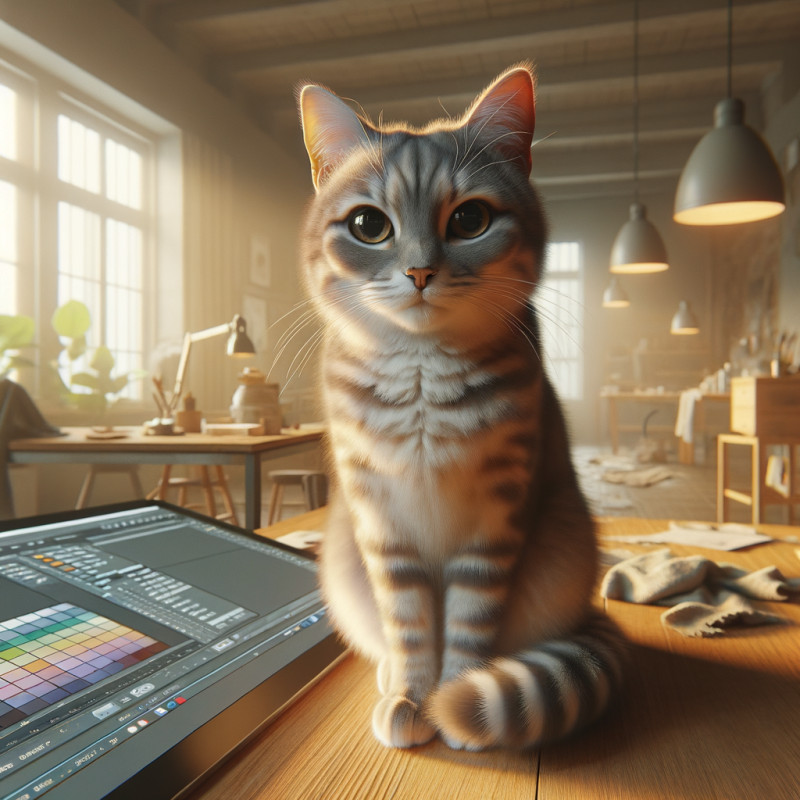
Special Considerations: As versatile and adaptable as 'domestic short hairmitted' cats can be, it is important to remember that each individual within this breed is unique. This means that their character traits, health needs, and behavior patterns may vary widely. Therefore, it is crucial for potential owners to spend time getting to know the specific cat they are considering bringing into their home. Additionally, regular vet check-ups, proper nutrition, and mental stimulation are essential to ensure the well-being and happiness of these wonderful feline companions.
Guardian Instincts
Guardian Instincts:
Domestic short hairmitted cats are known for their natural guardian instincts, always on alert to protect their territory and loved ones. These cats exhibit a strong sense of loyalty and will vigilantly patrol their surroundings to ensure safety. Despite their friendly and affectionate nature, domestic short hairmitted cats have a keen intuition when it comes to potential threats, making them excellent protectors. They are quick to react to any perceived danger, showcasing their innate ability to keep their home and family secure at all times.
Allergies and Shedding
These cats are known for producing less allergens compared to other breeds, making them a suitable choice for individuals with allergies. They shed minimally, requiring less grooming compared to long-haired breeds. Their short, dense coat is easy to maintain with regular brushing, helping to reduce shedding and keep allergies at bay. Regular grooming sessions also allow for early detection of any skin issues or health concerns. Overall, domestic short hairmitted cats are a great option for those looking for a low-maintenance pet with minimal shedding and allergy-friendly qualities.
Cost of Ownership
The cost of owning a domestic short hairmitted cat can vary depending on factors such as age, health, and breed. Initial expenses may include adoption fees, spaying/neutering, and vaccinations. Ongoing costs typically consist of quality food, litter, grooming supplies, and annual vet check-ups. Emergency vet visits and unexpected health issues should also be budgeted for. Additionally, pet insurance, toys, scratching posts, and bedding are common expenses. Providing a loving and enriching environment for your feline companion is essential, so investing in interactive toys, cozy beds, and climbing structures may contribute to their overall well-being and happiness.
Availability and Adoption
Availability and Adoption: The domestic short hair cat is one of the most common and widely available cat breeds in animal shelters and rescues. Due to their mixed genetic makeup, they come in various colors and patterns, making each cat unique and special. These versatile felines are known for their friendly and adaptable nature, making them a great addition to any household. When looking to adopt a domestic short hair cat, potential owners have a wide range of options and opportunities to find their perfect furry companion through shelters, rescue organizations, and even online platforms dedicated to rehoming cats.
Famous Examples
Some famous examples of this popular cat breed include the beloved "Grumpy Cat," known for her distinctive frowning expression that won the hearts of millions worldwide, and "Keyboard Cat," a viral sensation for his musical talents on the keyboard. Another notable domestic short hairmitted cat is "Nala Cat," an Instagram star with millions of followers who adore her stunning appearance and playful personality. These famous feline figures showcase the endless charm and appeal of the domestic short hairmitted breed, captivating audiences with their unique characteristics and lovable antics.
Questions & Answers
1) Is the domestic short hairmitted a good fit for families or first-time owners?
Yes, domestic short hairmited cats are generally excellent companions for families and first-time owners. They are known for their adaptability and friendly nature.
2) How much exercise and daily care does a domestic short hairmitted require?
Domestic short hairmitted cats are fairly independent but still enjoy playtime. Providing interactive toys and opportunities for exercise is beneficial. Daily care includes regular grooming and monitoring for any health changes.
3) What health issues are common in domestic short hairmitted?
Common health issues in domestic short hairmitted cats may include dental problems, obesity, and urinary tract issues. Regular vet check-ups and a balanced diet can help prevent such conditions.
4) How would you describe the temperament of a domestic short hairmitted cat?
Domestic short hairmitted cats are known for being social, affectionate, and adaptable. They tend to get along well with other pets and enjoy human companionship.
5) Do domestic short hairmitted cats have any specific grooming needs?
Domestic short hairmitted cats have short coats that require minimal grooming. Regular brushing can help reduce shedding and prevent mats, but overall, they are relatively low-maintenance in terms of grooming.
6) What is the average lifespan of a domestic short hairmitted cat?
Domestic short hairmitted cats typically live between 12 to 15 years, but with proper care, some can reach their late teens or even early twenties.
7) Are there different color variations within the domestic short hairmitted breed?
Yes, domestic short hairmitted cats come in a wide variety of colors and patterns. They can have solid colors, tabby patterns, bi-color, or even tri-color coats, making each cat unique in appearance.