
Domestic Short Hairblack And White - Complete Breed Guide
Domestic Short Hairblack And White - Complete Breed Guide
Breed Overview
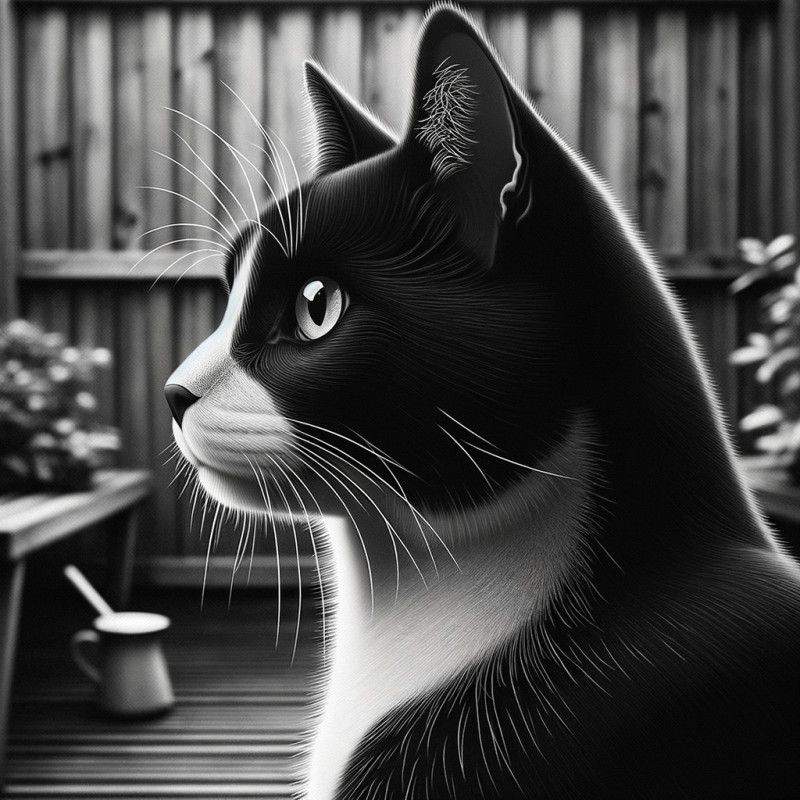
The black and white domestic short hair cat breed is a popular and diverse group known for its striking coat pattern, consisting of predominantly black fur with distinct white markings. These cats are highly adaptable, with personalities ranging from affectionate and friendly to independent and aloof. Their short coats require minimal grooming, making them low-maintenance pets suitable for various households. Black and white domestic short hair cats are known for their intelligence, agility, and playful nature, often forming strong bonds with their human companions. Overall, they make wonderful family pets for those looking for a lovable and charming feline companion.
Adoption & Local Availability
If you’re looking to bring a domestic short hairblack and white into your home, there are several ways to find one available for adoption. Below are options to explore both local availability and general listings.
Size and Appearance
As a sleek and elegant feline, the black and white domestic short hair is a medium-sized breed with a sturdy build. Their coat is a striking combination of black and white fur, often in distinctive patterns like tuxedo or bicolor. With expressive round eyes that can be gold, green, or copper in color, these cats have a charming and sophisticated appearance. Known for their friendly and adaptable nature, they make wonderful companions for families and individuals alike. The black and white domestic short hair's overall appearance exudes a sense of timeless beauty and grace.
Health and Lifespan
Black and white domestic short hair cats are generally healthy with an average lifespan of 15-20 years. Common health issues to look out for include dental problems, obesity, and heart conditions. Regular vet check-ups, a balanced diet, and plenty of exercise can help maintain their overall well-being. Providing mental stimulation and a safe environment indoors can also contribute to a longer and healthier life for these charming felines.
Family Compatibility
The black and white domestic short hair cats are known for their affectionate and social nature, making them excellent companions for families. They are adaptable to various living situations and get along well with children and other pets. Their playful demeanor and curiosity make them fun family members, always ready to engage in interactive play and explore their surroundings. With proper socialization and care, these cats form strong bonds with their human family members, providing love and companionship for many years to come.
Exercise Needs
'Exercise Needs': The black and white domestic short hair cat has moderate exercise needs to maintain optimal health and well-being. Engaging in interactive play sessions, providing climbing structures, and offering toys that stimulate physical activity are essential for ensuring they get enough exercise. Regular playtime and activities help prevent obesity and promote mental stimulation in these playful and energetic cats. It is important to provide opportunities for them to run, jump, and explore to fulfill their exercise requirements and support their overall fitness levels.
Diet and Feeding
A balanced diet is crucial for the health of black and white domestic short hair cats. High-quality cat food, whether wet or dry, should be the primary component, with proteins as the main ingredient. Avoid feeding them human food, as it may lead to health issues. Provide fresh water at all times and monitor their weight to prevent obesity. Certain foods like onions, garlic, and chocolate are toxic to cats and should be strictly avoided. Consulting with a veterinarian to create a personalized feeding plan based on the individual cat's age, weight, and activity level is recommended.

Living Environment
Living Environment: The domestic short hair black and white cat thrives in a warm, cozy home with plenty of space to explore and play. They are adaptable to various living situations, whether in an apartment or a house, as long as they have access to windows for observing the outside world. Providing vertical spaces like cat trees and shelves can satisfy their climbing instincts. They enjoy a peaceful environment with comfortable hiding spots where they can retreat to when feeling overwhelmed. Safety is crucial, so ensuring windows and balconies are secure is essential for their well-being.
Grooming
When it comes to grooming for this unique breed, regular brushing is essential to keep their coat looking clean and healthy. Their short hair is prone to shedding, so a good brushing routine will help minimize loose fur around the house. Additionally, black and white cats can sometimes have sensitive skin, so using a gentle brush and being mindful of any skin issues is important. Bathing is usually not required frequently, but occasional baths using a mild cat shampoo can help keep their coat in top condition. Overall, regular grooming sessions will not only keep their coat shiny and smooth but also create bonding moments between the cat and their owner.
Training and Intelligence
The black and white domestic short hair's training and intelligence make them excellent learners. They are highly curious, eager to explore, and quick to pick up new commands. Positive reinforcement and interactive play help keep their minds engaged. These cats respond well to training through consistent routines and clear communication. Their problem-solving skills and adaptability allow them to thrive in varied environments. With patience and mental stimulation, black and white domestic short hairs can be taught tricks, solve puzzles, and even enjoy leash training adventures. Their intelligence and trainability make them delightful companions for families and individuals alike.
Exercise and Activity Requirements
Exercise and activity requirements for black and white domestic short hair cats are essential for maintaining their overall health and well-being. These energetic felines benefit from daily interactive play sessions to fulfill their exercise needs. Providing engaging toys, cat trees, and scratching posts can help keep them physically and mentally stimulated. Indoor environments with ample space for exploration and climbing are ideal, as these cats enjoy jumping and chasing activities. Regular playtime with their human companions is crucial to prevent obesity and boredom, ensuring a happy and active lifestyle for these playful pets.
Socialization
Socialization is crucial for black and white domestic short hair cats to ensure their well-rounded behavior and comfort in various environments. Early exposure to different people, animals, and experiences helps them develop confidence and adaptability. Interactive play sessions, positive reinforcement, and gentle handling are effective methods to socialize these cats. It is essential to create a safe and enriching environment for them to thrive socially. With proper socialization, black and white domestic short hair cats can grow up to be friendly, outgoing, and well-adjusted companions in any household setting.
Lifespan
The average lifespan of black and white domestic short hair cats typically ranges from 12 to 20 years, with some individuals living even longer with proper care and a healthy lifestyle. Factors that can influence their lifespan include genetics, diet, exercise, and overall well-being. Regular veterinary check-ups, a balanced diet, and a stimulating environment can help ensure that these cats live long and fulfilling lives. Proper dental care and preventative measures against common feline health issues can also contribute to extending their lifespan. Ultimately, providing a loving and nurturing home environment is key to helping black and white domestic short hair cats thrive throughout their lives.
Common Behavioral Issues
Common behavioral issues in black and white domestic short hair cats may include patterns of aggression, such as being easily provoked or becoming territorial. They can also be prone to destructive behaviors if not provided with enough mental and physical stimulation. Separation anxiety may manifest in excessive meowing or destructive behavior when left alone. Additionally, these cats might exhibit shyness or fearfulness in new environments or around unfamiliar people, requiring patience and gentle socialization. Providing a consistent routine, plenty of interactive playtime, and enriching their environment can help mitigate these behavioral challenges in this breed.

Special Considerations
Special Considerations: Due to their black and white coat coloring, these cats may be more prone to sunburn, especially on the nose and ears. It is important to provide them with sun protection when spending extended periods outdoors. Additionally, regular grooming is essential to prevent matting and maintain a healthy coat. It's also important to monitor their weight and provide them with a balanced diet to avoid obesity, as this breed can be prone to weight gain. Lastly, routine veterinary check-ups are crucial to ensure their overall health and well-being.
Guardian Instincts
'Guardian Instincts': This breed is known to have strong guardian instincts, making them excellent protectors of their home and family. They are alert, cautious, and possessive of their territory, readily alerting their owners of any potential threats. Despite their small size, their fearless nature and quick reflexes make them effective at deterring unwanted intruders. With a natural inclination to watch over their loved ones, these cats are loyal, dependable, and will go to great lengths to ensure the safety and well-being of those they care about, making them a beloved and trusted companion for any household.
Allergies and Shedding
'Allergies and Shedding':
The black and white domestic short hair cat breed is known for minimal shedding, making them a suitable option for individuals with allergies. They have short, sleek coats that require minimal grooming to reduce potential allergens. Regular brushing can help manage shedding, although these cats typically shed less compared to other breeds. While no cat is completely hypoallergenic, the black and white domestic short hair breed is often well-tolerated by allergy sufferers due to their low shedding tendencies and easy-to-maintain coats. This trait makes them a popular choice for households with allergy concerns.
Cost of Ownership
The cost of ownership for a domestic short hair black and white cat includes expenses such as adoption fees (if applicable), initial vaccinations and spaying/neutering, monthly food costs, grooming supplies, toys, scratching posts, litter boxes, litter, annual vet check-ups, emergency vet visits, pet insurance (optional but recommended), and boarding or pet sitting fees if you need to travel. It's important to budget for unforeseen expenses such as illnesses or injuries. Overall, the cost of owning a domestic short hair black and white cat can vary depending on factors such as location, quality of supplies, and healthcare needs.
Availability and Adoption
These captivating felines, adored for their distinct black and white coats, are celebrated for their abundance in animal shelters and rescue organizations. Due to their high numbers, they are readily available for adoption, making them a popular choice for cat lovers seeking a loving companion. Potential adopters can find these charming cats in various shelters, both locally and nationally, providing an opportunity for potential owners to rescue and provide a forever home for these wonderful creatures. With their friendly demeanor and striking appearance, these cats are a delightful addition to any household.
Famous Examples
Famous Examples: Sylvester the Cat, known for his iconic appearance in Looney Tunes cartoons, is a well-known black and white cat. Another notable black and white cat is Socks, the companion of former U.S. President Bill Clinton during his time in the White House. These famous cats showcase the charm and appeal of the black and white coat pattern, often associated with the beloved domestic short hair breed. Their popularity serves as a testament to the enduring appeal of black and white cats in both fiction and reality.
Questions & Answers
1) Is the domestic short hair black and white a good fit for families or first-time owners?
Yes, domestic short hair black and white cats are known for their friendly and adaptable nature, making them a great fit for families and first-time cat owners.
2) How much exercise and daily care does a domestic short hair black and white require?
Domestic short hair black and white cats are generally low-maintenance in terms of grooming and exercise. Regular playtime and moderate activity levels are sufficient to keep them happy and healthy.
3) What health issues are common in domestic short hair black and white?
Common health issues in domestic short hair black and white cats include obesity, dental problems, and skin conditions. Regular veterinary check-ups can help prevent and address these issues.
4) Are domestic short hair black and white cats social and good with other pets?
Yes, domestic short hair black and white cats are typically social and get along well with other pets, including dogs. Proper introductions and socialization can help ensure harmonious relationships.
5) Do domestic short hair black and white cats require a specific diet or feeding routine?
While each cat's dietary needs may vary, domestic short hair black and white cats generally do well on a balanced diet of high-quality cat food. Monitoring portion sizes and providing fresh water is important to maintain their health.
6) How can I help keep my domestic short hair black and white cat mentally stimulated?
To keep your domestic short hair black and white cat mentally stimulated, provide interactive toys, scratching posts, and opportunities for play. Rotating toys and engaging in interactive play sessions can prevent boredom and behavioral issues.
7) Are there any specific grooming tips for domestic short hair black and white cats?
Regular brushing can help minimize shedding and keep the coat of domestic short hair black and white cats in good condition. Additionally, checking their ears, teeth, and nails regularly can help maintain their overall health and hygiene.