
Domestic Long Hair White - Complete Breed Guide
Domestic Long Hair White - Complete Breed Guide
Breed Overview
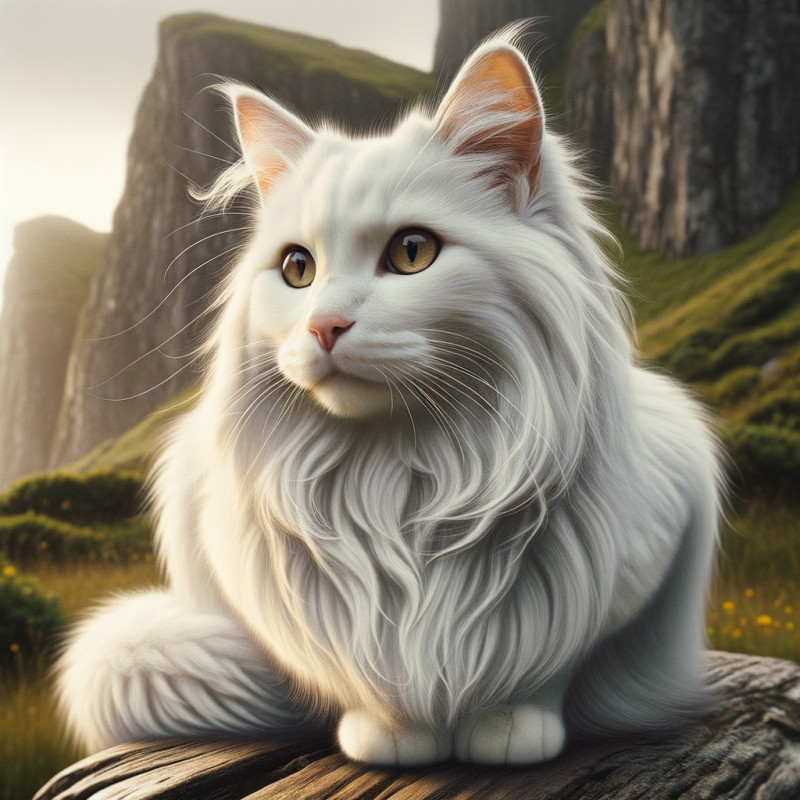
The white domestic long hair cat is a beloved breed known for its luxurious, fluffy coat that requires regular grooming to prevent matting. These cats are often outgoing, affectionate, and playful, making them excellent companions for families or individuals. Their white fur can vary in shade from pure white to off-white, giving them a striking appearance. White domestic long hair cats are generally healthy and adaptable to various living environments, thriving indoors as well as outdoors with proper care and attention. With their charming personalities and stunning looks, these cats are a popular choice for cat lovers seeking a devoted and beautiful feline companion.
Adoption & Local Availability
If you’re looking to bring a domestic long hair white into your home, there are several ways to find one available for adoption. Below are options to explore both local availability and general listings.
Size and Appearance
The domestic long hair white cat breed typically has a medium to large size with a sturdy and muscular build. Their appearance is characterized by a fluffy coat that is predominantly white in color, which is often long in length and requires regular grooming to prevent matting. They have striking almond-shaped eyes that are usually blue, green, or amber in color. The breed's ears are triangular-shaped and set slightly apart on the head. Overall, domestic long hair white cats have a graceful and elegant appearance, with a charming and gentle expression that adds to their allure.
Health and Lifespan
White domestic long hair cats are typically healthy with an average lifespan of 12 to 18 years. Regular veterinary check-ups, a balanced diet, and plenty of exercise are essential for maintaining their well-being and longevity. Common health issues may include dental problems, obesity, and kidney disease. Providing a stress-free environment, grooming their luxurious coat to prevent matting, and keeping their litter box clean can also contribute to their overall health and vitality. With proper care and attention, white domestic long hair cats can enjoy a happy and healthy life for many years.
Family Compatibility
Family Compatibility: The white long-haired domestic cat is known for its gentle nature and adaptability, making it an excellent companion for families of all sizes. These cats are affectionate, social, and enjoy spending time with their human family members. They are generally good with children and other pets, exhibiting patience and a calm demeanor. White long-haired cats tend to form strong bonds with their owners, often seeking out attention and affection. Their playful and curious nature can bring joy and entertainment to the entire family, making them a wonderful addition to any household seeking a loving feline companion.
Exercise Needs
White long-haired domestic cats have moderate exercise needs, requiring interactive play sessions and mental stimulation to stay healthy and happy. Engaging in activities like chasing toys, climbing cat trees, and puzzle feeders can help these cats expend energy and maintain a healthy weight. Daily exercise is essential to prevent obesity and promote physical and mental well-being in these playful felines. Providing a variety of toys and activities tailored to their preferences can ensure they get enough exercise while strengthening the bond between pet and owner. Regular play sessions can also prevent boredom and behavioral issues in these intelligent and active cats.
Diet and Feeding
White domestic long hair cats require a balanced diet rich in protein from sources like poultry or fish. High-quality cat food specially formulated for their needs is recommended, with occasional treats of cooked eggs or vegetables. Fresh water should always be available. Portion control is crucial to prevent obesity, as these cats have a tendency to gain weight. Regular feeding schedules help maintain their digestion and overall health. Consulting with a veterinarian for personalized dietary advice is essential to cater to any specific health conditions or dietary requirements.
Living Environment
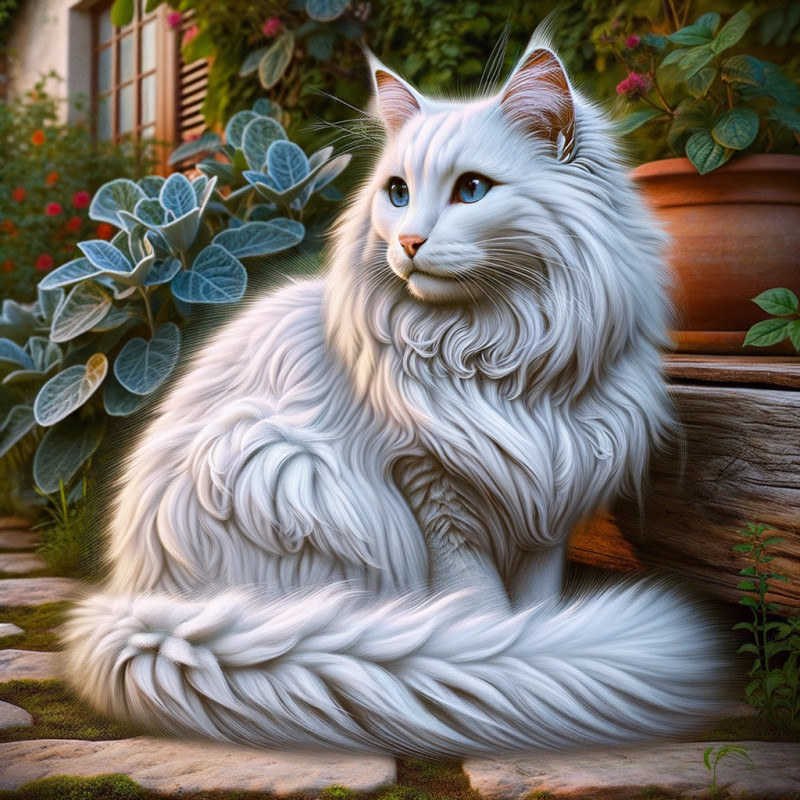
The ideal living environment for this breed includes a spacious and stimulating indoor setup with plenty of room to roam and explore. Providing tall cat trees for climbing, cozy spots for lounging, and interactive toys for mental stimulation is essential. This breed thrives in a peaceful and predictable home environment, away from loud noises and fast movements. Access to sunny windows for sunbathing and bird-watching is highly recommended. Regular grooming sessions and a balanced diet are crucial for maintaining their beautiful white coat and overall health.
Grooming
Grooming a white cat with long fur requires regular brushing to prevent matting and tangling. Use a slicker brush or comb to remove loose fur and prevent hairballs, paying special attention to the chest, belly, and behind the ears. Bathing should be kept to a minimum to preserve the natural oils in the coat. Trim the nails regularly and check the ears for any signs of infection. A healthy grooming routine will keep your white feline looking pristine and feeling comfortable.
Training and Intelligence
White long-haired domestic cats are known for their high intelligence, making them trainable with patience and positive reinforcement. Teaching tricks, using puzzle toys for mental stimulation, and clicker training are effective methods for engaging their sharp minds. Consistency and rewards help in obedience training, with the understanding that they value independence. These cats thrive on mental challenges and enjoy learning new behaviors, responding well to interactive play and activities that keep them mentally stimulated. Their intelligence and eagerness to learn make them highly trainable pets, forming strong bonds with their owners through mental exercises and positive reinforcement.
Exercise and Activity Requirements
Exercise and Activity Requirements:
Domestic long hair white cats are active and playful companions that benefit from regular exercise. Engaging in interactive play sessions, utilizing toys like laser pointers and feather wands, helps fulfill their mental and physical stimulation needs. Providing cat trees, scratching posts, and puzzle feeders can help promote exercise and prevent boredom. Indoor activities, such as chasing toys and climbing structures, are essential for maintaining their overall health and well-being. Regular playtime and environmental enrichment ensure that these cats stay physically fit and mentally stimulated.
Socialization
Socialization is crucial for white long-haired domestic cats. From a young age, it's important to expose them to various people, animals, and environments to ensure they grow up to be well-adjusted and friendly companions. Encouraging positive interactions helps prevent shyness or skittish behavior in adulthood. Regular playtime and handling also contribute to their social development, fostering a deep bond with their humans. Providing a safe and stimulating environment for socialization will help white long-haired domestic cats thrive both emotionally and physically, promoting a happy and enriching life for both feline and human alike.
Lifespan
The lifespan of white cats with long hair can range from 12 to 20 years, with proper care and a healthy lifestyle. Providing regular veterinary check-ups, a balanced diet, and a stress-free environment can contribute to a longer life expectancy for these beloved companions. Additionally, keeping them indoors, away from potential dangers and hazards, can help ensure a safer and healthier life for these beautiful feline friends. By prioritizing their well-being and meeting their physical and emotional needs, white long-haired cats can live a fulfilling and prosperous life with their human families.
Common Behavioral Issues
Common behavioral issues often observed in white long-haired domestic cats include excessive grooming leading to hairballs, aggression due to stress, and a tendency towards shyness or aloofness. Additionally, they may exhibit a high prey drive, leading to hunting behaviors indoors. Providing plenty of mental and physical stimulation, along with a structured routine, can help address these issues. Socialization from a young age is crucial to prevent timidness, while interactive playtime can help redirect hunting instincts. Consistent positive reinforcement and a safe, calm environment are key to managing and improving the behavior of white long-haired domestic cats.
Special Considerations
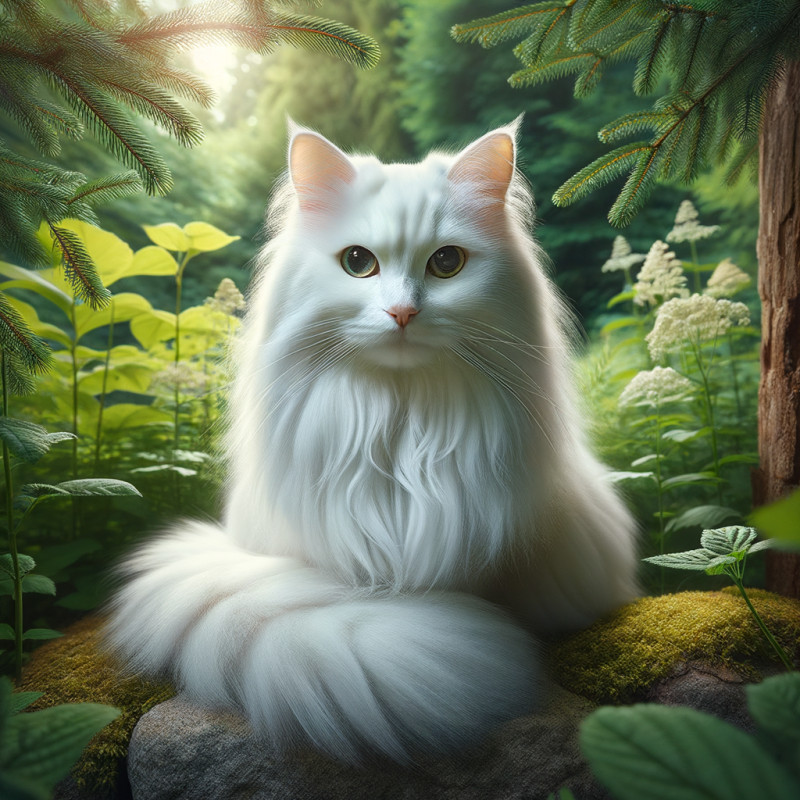
Special Considerations: Due to their predominantly white coat, cats of this breed may be more prone to deafness, especially those with blue eyes. Regular grooming is essential to prevent matting and tangles in their long fur. Their sensitive skin requires protection from the sun to prevent sunburns, making indoor environments ideal. Additionally, these cats may be more susceptible to skin cancer, emphasizing the importance of regular veterinary check-ups and preventive care. Providing a balanced diet and engaging in interactive play sessions can help maintain their overall health and well-being.
Guardian Instincts
White domestic long hair cats often exhibit strong guardian instincts towards their owners and households. Known for their alertness and protective nature, these cats are quick to detect any potential threats and will not hesitate to alert their owners through vocalizations or body language. They tend to be highly loyal and will fiercely defend their territory from intruders, making them excellent companions for those seeking a vigilant and devoted feline friend. White domestic long hair cats are known to form deep bonds with their owners, establishing a sense of trust and security that further enhances their natural instincts as guardians.
Allergies and Shedding
White long-haired cats may trigger allergies due to their shedding, releasing dander into the air. Regular grooming helps reduce loose fur and minimize allergens. Invest in a high-quality vacuum to maintain a clean environment and limit allergic reactions. Weekly brushing will also assist in controlling shedding, ensuring the cat's coat stays healthy and tangle-free. Opt for a balanced diet to promote a healthy skin and coat, further minimizing shedding and potential allergic triggers. Overall, with proper care and attention, white long-haired cats can be a delightful addition to households, even for allergy sufferers.
Cost of Ownership
Cost of Ownership: Owning a white long-haired cat comes with a range of costs to consider. Initial expenses include adoption or purchase fees, spaying/neutering, and supplies like litter boxes, scratching posts, and grooming tools. Ongoing costs consist of high-quality cat food, regular veterinary check-ups, vaccinations, flea prevention, and dental care. Additional expenses may arise for grooming services, boarding during travel, and unexpected health issues. White long-haired cats require daily grooming to prevent matting, which may entail professional grooming appointments. Overall, budgeting for both routine and potential unforeseen expenses is crucial for providing a happy and healthy life for your furry friend.
Availability and Adoption
White cats with long, luxurious fur are often available for adoption in shelters and rescues. These cats make wonderful companions for families looking to add a friendly feline to their home. Due to their high demand, it's recommended to keep a close eye on local shelters and rescue organizations to find one available for adoption. Additionally, reaching out to breed-specific rescues or checking online adoption platforms can also increase the chances of finding a white long-haired cat in need of a loving home. Adopting a white cat can bring joy and companionship to any household.
Famous Examples
Famous examples of this strikingly beautiful cat breed include Snowball, the beloved feline companion of the former First Lady of the United States, Jacqueline Kennedy Onassis. Snowball was well-known for his elegant white fur that cascaded in luxurious waves, exemplifying the breed's stunning beauty. Another notable domestic long hair white cat is Luna, who gained fame on social media for her playful personality and captivating ice-blue eyes. These famous examples showcase the breed's charming demeanor and distinctive appearance, making them cherished by their owners and adored by fans worldwide.
Questions & Answers
1) Is the domestic long hair white a good fit for families or first-time owners?
Yes, domestic long hair whites are typically great for families and first-time owners. They are affectionate, social, and adaptable cats.
2) How much exercise and daily care does a domestic long hair white require?
Domestic long hair whites require moderate exercise and daily grooming due to their long fur. Regular brushing and playtime are recommended.
3) What health issues are common in domestic long hair white?
Common health issues in domestic long hair whites include dental problems, obesity, and skin conditions. Regular vet check-ups and proper care can help prevent these issues.
4) How should you groom a domestic long hair white cat?
Regular grooming is essential for domestic long hair whites to prevent matting and hairballs. Brush their fur at least a few times a week to maintain a healthy coat.
5) Are domestic long hair whites typically vocal cats?
Domestic long hair whites can be vocal, especially when they want attention or are feeling playful. They may meow to communicate with their owners.
6) Do domestic long hair whites get along well with other pets?
Domestic long hair whites are generally sociable and can get along well with other pets, especially if they are introduced properly and given time to adjust.
7) What is the average lifespan of a domestic long hair white cat?
On average, domestic long hair whites live between 12 to 18 years with proper care and a healthy lifestyle. Some can live even longer.