
When Viral Cat Food Hacks Go Wrong: Protecting Your Cat from Trendy Feeding Mistakes
Search our cat listings!
When a cute video promises shiny coats or a picky eater solved with a single trick, it can be tempting to try a viral cat-feeding hack. But cat nutrition is tricky: what looks natural or simple on social media can cause real harm over weeks or months. This post explains the main risks, how to spot dangerous trends, and what safe choices you can make instead.
Why social media tricks can be misleading
Cats are obligate carnivores with very specific nutrient needs that come mostly from animal tissues. Viral hacks often simplify feeding into one pretty ingredient or a powder, but small daily gaps in nutrients add up and can cause vision, heart, or bone problems down the line. Also, many trendy foods skip important safety steps like cooking and quality testing, which increases infection risk for pets and people.
Cats near Columbus
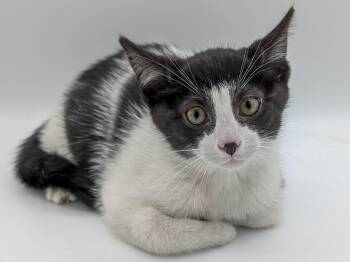
CALDER
Domestic Short Hair
🇺🇸
Powell, Ohio
male, small, baby
Domestic Short Hair
Powell, Ohio
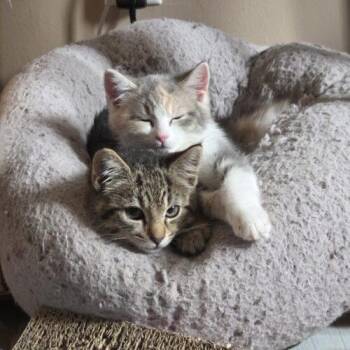
POSEY
Domestic Short Hair
🇺🇸
Canal Winchester, Ohio
female, small, baby
Domestic Short Hair
Canal Winchester, Ohio
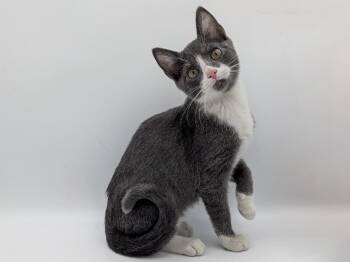
DEWEY
Domestic Short Hair
🇺🇸
Powell, Ohio
male, small, baby
Domestic Short Hair
Powell, Ohio
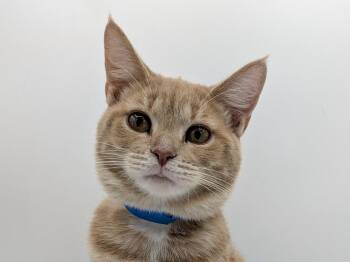
SORRELL
Domestic Short Hair, Tabby
🇺🇸
Powell, Ohio
male, small, baby
Domestic Short Hair, Tabby
Powell, Ohio
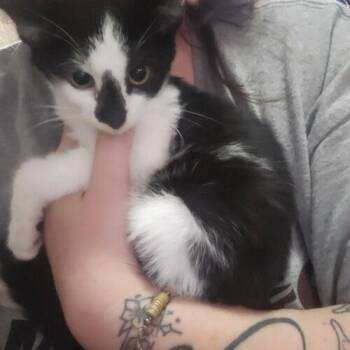
BALTIMORE
Domestic Short Hair
🇺🇸
Canal Winchester, Ohio
female, small, baby
Domestic Short Hair
Canal Winchester, Ohio
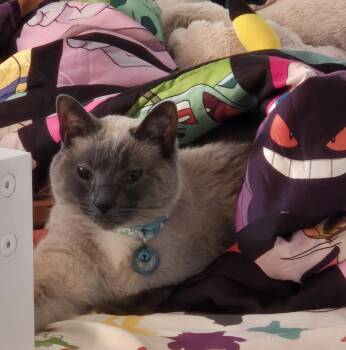
SERAPHINE
Applehead Siamese
🇺🇸
Plain City, Ohio
female, medium, adult
Applehead Siamese
Plain City, Ohio
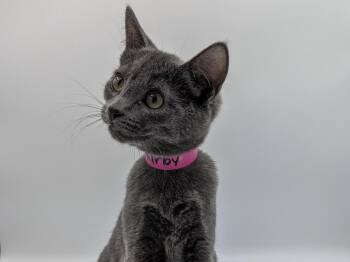
KIRBY
Domestic Short Hair
🇺🇸
Powell, Ohio
female, small, baby
Domestic Short Hair
Powell, Ohio
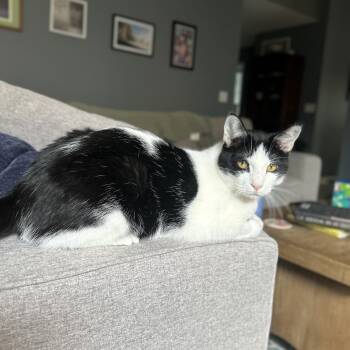
PRITCHARD
Domestic Short Hair
🇺🇸
Columbus, Ohio
male, medium, young
Domestic Short Hair
Columbus, Ohio
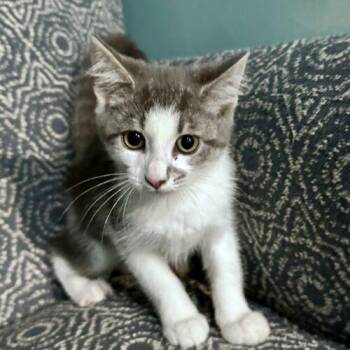
MCINTOSH
Domestic Short Hair
🇺🇸
Canal Winchester, Ohio
female, small, baby
Domestic Short Hair
Canal Winchester, Ohio
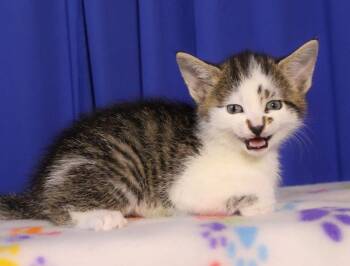
CHIP
Domestic Short Hair
🇺🇸
Reynoldsburg, Ohio
male, medium, baby
Domestic Short Hair
Reynoldsburg, Ohio
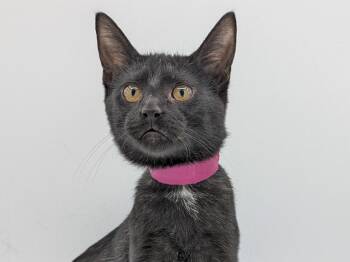
MOCHA MADNESS
Domestic Short Hair
🇺🇸
Powell, Ohio
female, small, baby
Domestic Short Hair
Powell, Ohio
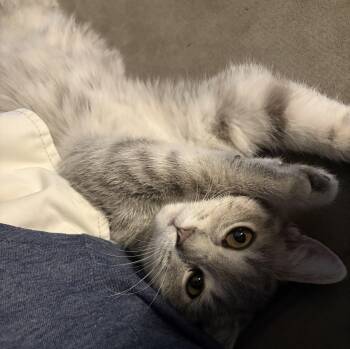
DUSTY
Tabby, Domestic Short Hair
🇺🇸
Plain City, Ohio
female, medium, baby
Tabby, Domestic Short Hair
Plain City, Ohio
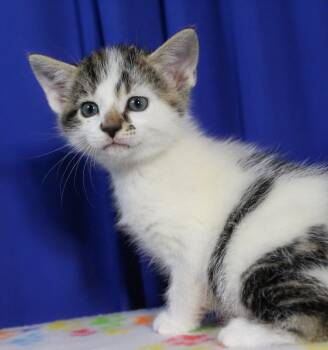
ERNIE
Domestic Short Hair
🇺🇸
Reynoldsburg, Ohio
male, medium, baby
Domestic Short Hair
Reynoldsburg, Ohio
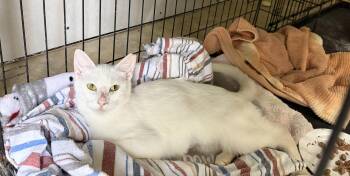
WINNIE
Domestic Short Hair
🇺🇸
Plain City, Ohio
female, medium, young
Domestic Short Hair
Plain City, Ohio
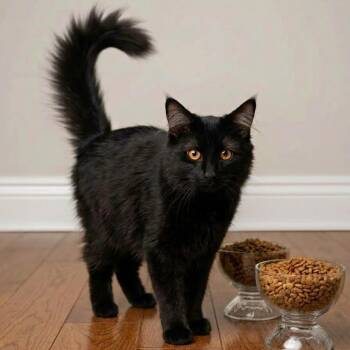
JAMES
Domestic Long Hair, Domestic Medium Hair
🇺🇸
Columbus, Ohio
male, medium, baby
Domestic Long Hair, Domestic Medium Hair
Columbus, Ohio
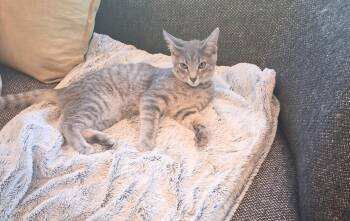
COSMO
Tabby
🇺🇸
Lewis Center, Ohio
male, medium, baby
Tabby
Lewis Center, Ohio
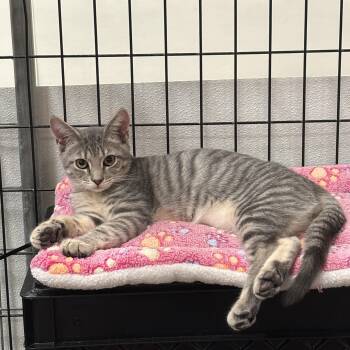
PALMER
Domestic Short Hair
🇺🇸
Columbus, Ohio
male, small, young
Domestic Short Hair
Columbus, Ohio
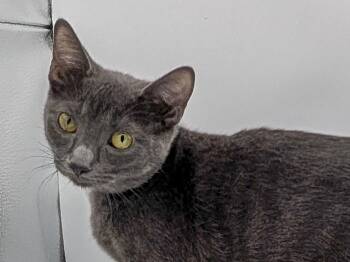
VIDALIA
Domestic Short Hair
🇺🇸
Powell, Ohio
female, small, baby
Domestic Short Hair
Powell, Ohio
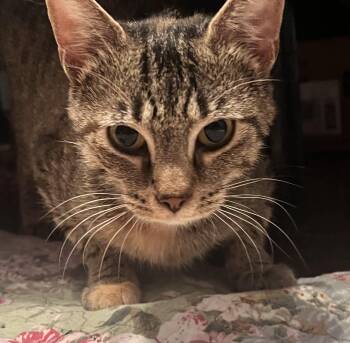
MIMI
Tabby, Domestic Short Hair
🇺🇸
Plain City, Ohio
female, medium, young
Tabby, Domestic Short Hair
Plain City, Ohio
GOMEZ ADDAMS
Domestic Short Hair
🇺🇸
Delaware, Ohio
male, small, baby
Domestic Short Hair
Delaware, Ohio
Common viral hacks and the real risks
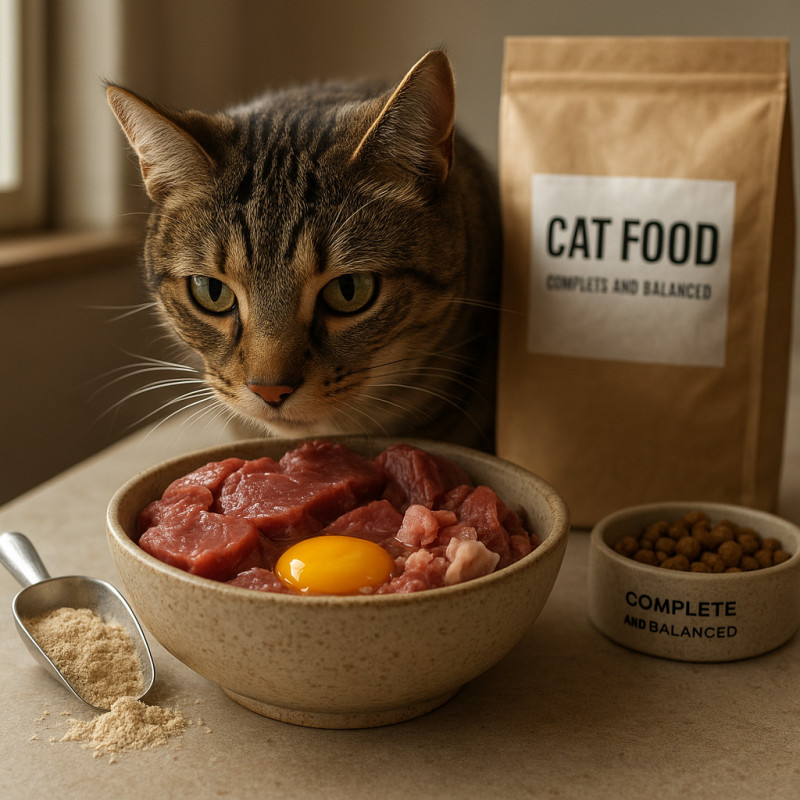
Raw meat bowls, raw eggs, and raw meaty bones are popular because they look fresh and 'natural.' But raw foods are more likely to carry Salmonella and Listeria, which can sicken both pets and people in the home. Bones and very hard chews can fracture teeth or cause choking, blockages, or gut punctures, and raw egg whites can interfere with biotin if fed often.
All-meat or fish-only diets and tuna-heavy feeding are another trend that seems logical but is risky. Muscle meat alone usually lacks vitamins and minerals cats need, and fish-heavy menus can contain thiaminase or push fatty acids out of balance, leading to thiamine deficiency or pansteatitis (painful fat inflammation). Tuna also increases exposure to contaminants and often lacks nutrients that a balanced diet provides.
Many influencer DIY recipes promise balance with a scoop of a supplement powder or with liver added daily. Most of these recipes are actually unbalanced; academic reviews show the majority fail to meet essential nutrient targets. Too much liver or cod liver oil can cause vitamin A toxicity, which can lead to painful bony changes and lifelong problems, especially in kittens.
Baby food, bone broths, and 'savory toppers' are used to make food more tempting, but some of these contain onion or garlic powder. Even small repeated exposures to allium compounds can cause life-threatening anemia in cats. Also, milk and cheese are common treats in viral posts, yet most adult cats are lactose intolerant and may get diarrhea from dairy.
How to tell a feeding idea is unsafe
- Promises that two or three ingredients plus a generic powder are “complete” or “balanced.”
- Advice to feed raw eggs, raw bones, or raw fish daily for health or dental benefit.
- Directions to give liver or cod liver oil frequently as a superfood.
- Use of baby food, broths, or human sauces without checking for onion/garlic/salt.
Practical rules to feed safely
Choose a complete-and-balanced commercial food that bears an AAFCO or equivalent adequacy statement for your cat’s life stage. Keep non-core items—treats, toppers, and table scraps—to under 10% of total daily calories so they don't dilute nutrition or add excess calories. Introduce any new food slowly over at least 5–7 days, mixing increasing amounts to avoid vomiting or diarrhea.
If you want to home-cook, work with a board-certified veterinary nutritionist who will provide a recipe that meets nutrient profiles and give exact ingredient weights and supplement instructions. Avoid raw diets in households with young children, pregnant people, elderly family members, or immunocompromised people because of zoonotic infection risk. For dental health, choose veterinary-recommended dental diets or VOHC-accepted products rather than bones.
Warning signs that a diet is harming your cat
Watch for a dull coat, weight loss or gain, soft stools, vomiting, or reduced appetite—these are early warnings. Urgent signs include neurologic problems (ataxia, head tilt, seizures), pale gums or weakness (possible anemia from onion/garlic), and painful lumps or fever that could mean pansteatitis. If you see any of these, stop the new food and contact your veterinarian immediately, telling them exactly what you fed and for how long.
Bottom line: trends are fun, but cats need precision
Social posts can offer cute ideas, but cat nutrition demands precise ingredients, safe preparation, and careful testing. Most viral feeding hacks bypass those safeguards and can cause infections, nutritional deficiencies, or toxicities that may be hard or impossible to reverse. When in doubt, choose a complete-and-balanced food from a reputable maker, limit toppers, transition slowly, and consult your vet or a board-certified nutritionist before trying any influencer recipe.
If you'd like, ask your vet about safe toppers or palatability tricks for picky eaters, or request a nutrition referral before experimenting with homemade plans. Your cat will thank you with a long, healthy life—and fewer emergency vet visits.
Search our cat listings!
Back to pet blog