
The Litter Dilemma: Clay, Clumping, Plant-Based, or Scented — Which Is Healthiest?
Search our cat listings!
Introduction
Choosing the right cat litter can feel confusing with so many options on the shelf.
The healthiest choice depends on three simple things: whether your cat likes the texture, how the litter affects air quality, and how easy it is to keep the box clean.
This post explains the pros and cons of clay, clumping, plant-based, pellet, and scented litters in a clear, friendly way.
Cats near Columbus
KINGER
Domestic Short Hair
🇺🇸
Springfield, Ohio
male, small, baby
Domestic Short Hair
Springfield, Ohio
HEMLOCK
Domestic Short Hair
🇺🇸
Portsmouth, Ohio
male, medium, young
Domestic Short Hair
Portsmouth, Ohio
PHASMA
Domestic Medium Hair
🇺🇸
Parkersburg, West Virginia
female, small, baby
Domestic Medium Hair
Parkersburg, West Virginia
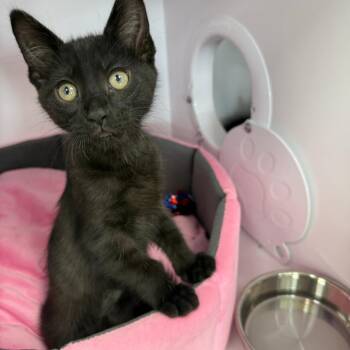
MANDIBLE
Domestic Short Hair
🇺🇸
Dayton, Ohio
male, small, baby
Domestic Short Hair
Dayton, Ohio
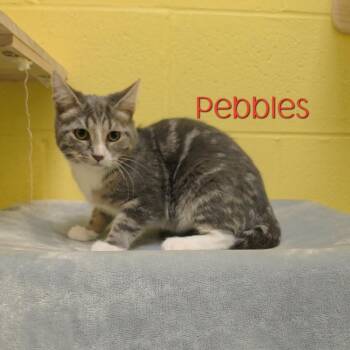
PEBBLES
Domestic Short Hair
🇺🇸
Parkersburg, West Virginia
female, small, baby
Domestic Short Hair
Parkersburg, West Virginia
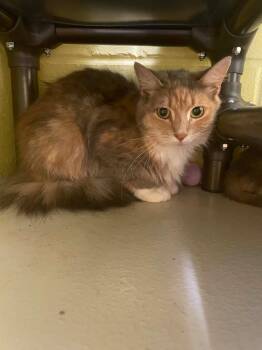
LIGHTINY
Domestic Long Hair
🇺🇸
Hamilton, Ohio
female, medium, adult
Domestic Long Hair
Hamilton, Ohio
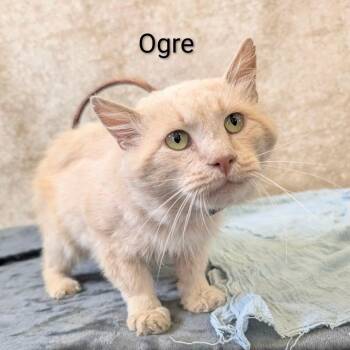
OGRE
Domestic Medium Hair
🇺🇸
Parkersburg, West Virginia
male, medium, senior
Domestic Medium Hair
Parkersburg, West Virginia
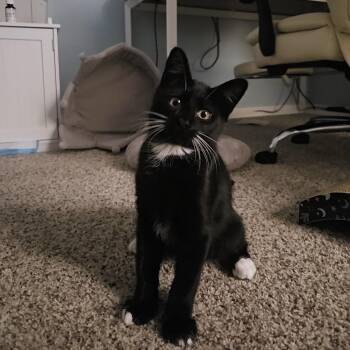
KOJAK
Domestic Medium Hair
🇺🇸
Columbus, Ohio
male, small, baby
Domestic Medium Hair
Columbus, Ohio
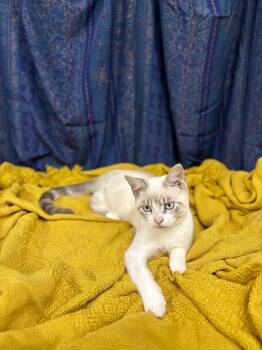
DRAKE
Domestic Short Hair
🇺🇸
Upper Sandusky, Ohio
male, medium, young
Domestic Short Hair
Upper Sandusky, Ohio
PEBBLES
Domestic Short Hair
🇺🇸
Dayton, Ohio
female, small, baby
Domestic Short Hair
Dayton, Ohio
EMERALD
Domestic Short Hair
🇺🇸
Washington Court House, Ohio
male, large, adult
Domestic Short Hair
Washington Court House, Ohio
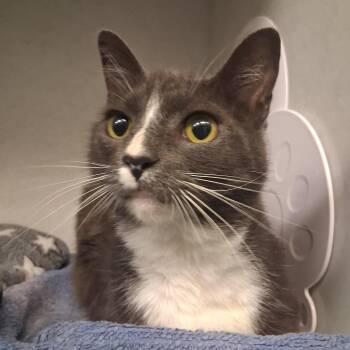
MAURICIO
Domestic Short Hair
🇺🇸
Dayton, Ohio
male, large, adult
Domestic Short Hair
Dayton, Ohio
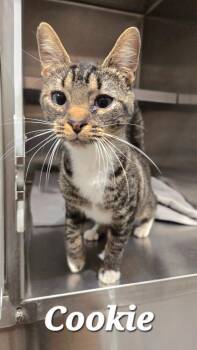
COOKIE
Domestic Short Hair
🇺🇸
Sidney, Ohio
female, large, young
Domestic Short Hair
Sidney, Ohio
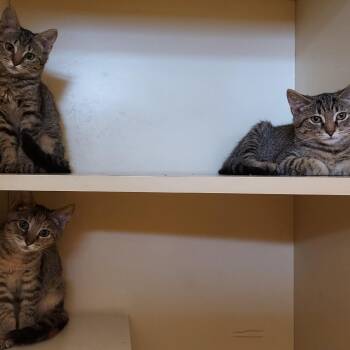
GOBI
Domestic Short Hair
🇺🇸
Dayton, Ohio
male, small, baby
Domestic Short Hair
Dayton, Ohio
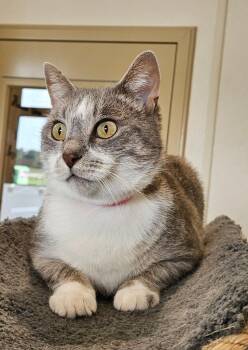
DOVE
Domestic Short Hair
🇺🇸
Fremont, Ohio
female, small, adult
Domestic Short Hair
Fremont, Ohio
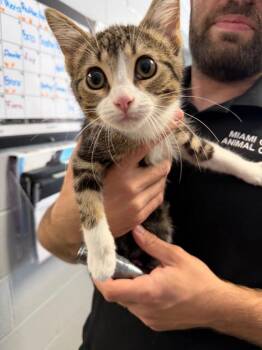
BIGBY
Domestic Short Hair
🇺🇸
Troy, Ohio
male, small, baby
Domestic Short Hair
Troy, Ohio
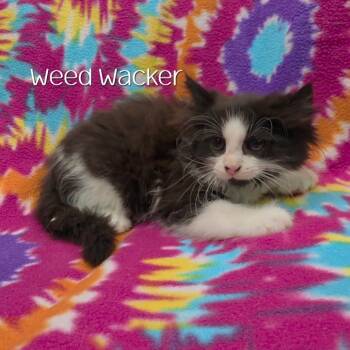
WEED WACKER
Domestic Long Hair
🇺🇸
Parkersburg, West Virginia
male, small, baby
Domestic Long Hair
Parkersburg, West Virginia
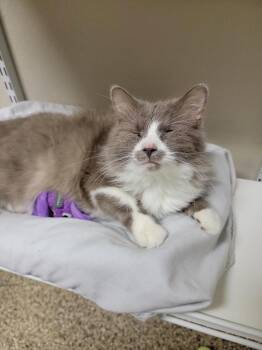
IVAN
Domestic Long Hair
🇺🇸
Fremont, Ohio
male, small, adult
Domestic Long Hair
Fremont, Ohio
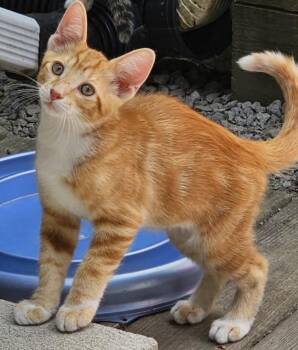
OSCAR
Domestic Short Hair
🇺🇸
Maineville, Ohio
male, small, baby
Domestic Short Hair
Maineville, Ohio
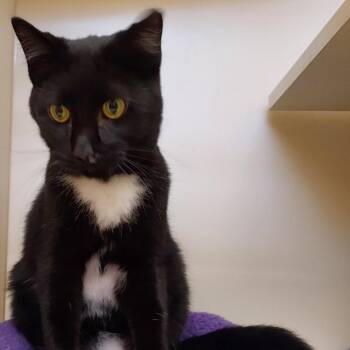
BISCUITS
Domestic Short Hair
🇺🇸
Dayton, Ohio
male, medium, adult
Domestic Short Hair
Dayton, Ohio
What matters most: behavior, air, and sanitation
Cats are picky, and the wrong litter can lead to stress or not using the box.
A litter that supports digging and covering, is low in dust and scent, and is scooped often is best for both cats and people.
Daily scooping and regular full changes control ammonia and keep everyone healthier.
Clumping litters: the everyday top pick
Fine-grained, unscented clumping litter is usually the best starting point for healthy adult cats.
Clumping formulas—often made from bentonite clay or some plant-based mixes—form solid clumps from urine, so you can scoop the mess out and leave the rest clean.
This quick removal lowers ammonia and odor and makes the box easier to maintain, which helps prevent house-soiling problems.
Clay and dust: what to watch for
Many clay clumping litters can create dust when poured or scooped, and dust can bother cats with asthma and people with breathing sensitivities.
Some clays contain respirable silica; while home exposure is usually low, minimizing dust is smart.
If you notice visible dust plumes, choose a brand labeled low-dust or try a plant-based alternative.
Plant-based litters: greener and often gentler
Plant-based litters come from corn, wheat, grass, walnut shells, wood, or recycled paper.
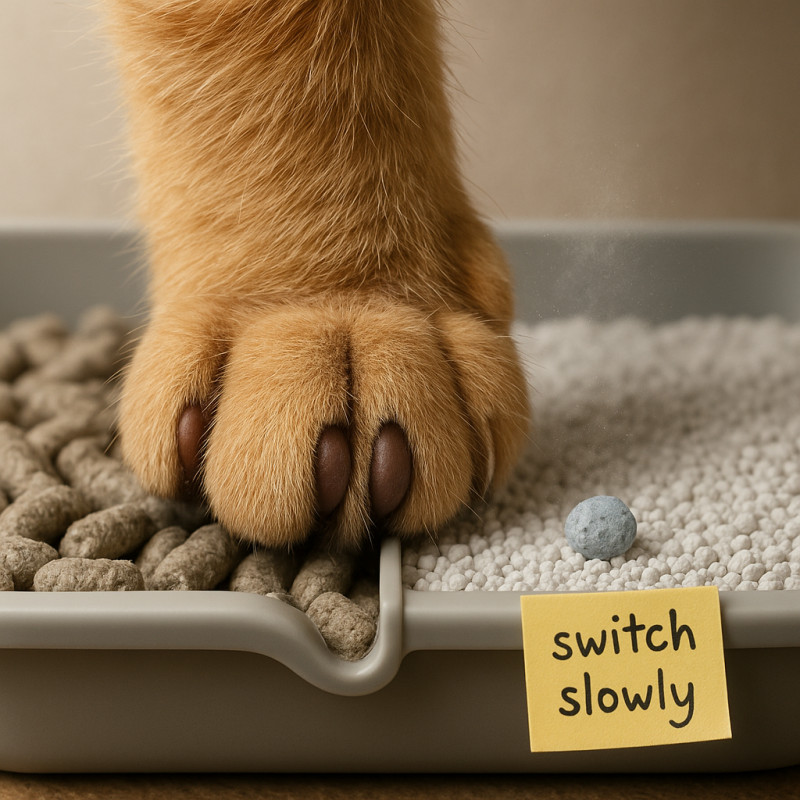
Some of these clump like clay and feel fine under paw, while pellet types like pine or paper are non-clumping and have a very different texture.
Many plant options produce less silica dust and can be compostable when handled correctly, but texture and dust vary a lot by brand—so test slowly.
Pellet and paper litters: great for sensitive cats
Paper and pine pellets are usually very low dust and gentle on paws, making them a good choice for kittens, cats healing from paw surgery, or households with allergies.
They don’t clump, so they need more frequent full changes or sifting to control urine odor.
Some cats dislike the pellet feel, so introduce these litters gradually if your cat is picky.
Scented litters: tempting but risky
Scented litters try to hide odors but can be unpleasant for cats and irritating for people.
Many cats avoid perfumed boxes, and fragrances can trigger asthma or other breathing symptoms.
It’s better to keep the litter unscented and focus on cleanliness instead of masking smells.
Special cases: kittens and post-op care
Kittens under about 3–4 months often mouth litter, so non-clumping, low-dust choices are recommended during training.
After paw surgery or injuries, veterinarians suggest soft, non-clumping paper or pellet litters until the site heals.
Once the kitten is older or the paw is healed, slowly transition back to your cat’s preferred litter.
Air quality, ammonia, and cleaning tips
The best way to control odor and ammonia is scooping at least once daily and keeping litter depth around 2–3 inches for clumping litters.
Open, ventilated boxes usually work better than tightly covered ones because covers can trap smells and moisture.
If you need extra odor control, use inert options like a little baking soda or activated carbon rather than perfumes or essential oils.
Disposal and safety: don’t flush
Never flush cat litter or feces down the toilet.
Cat feces can carry Toxoplasma gondii, and flushed waste can contaminate waterways and harm wildlife.
Bag used litter and put it in the trash, and pregnant or immunocompromised people should avoid handling litter; wear gloves and wash hands if needed.
How to switch litters without upsetting your cat
Change litters slowly over 5–7 days by mixing old and new litter, increasing the new litter each day.
Watch your cat’s behavior—if they start avoiding the box, slow down the transition or try a different texture.
Behavior matters more than labels, so pick a low-dust, unscented litter your cat accepts and you can maintain.
Quick decision guide and action checklist
- Healthy adult cat: try unscented, low-dust, fine-grain clumping litter; scoop daily and change regularly.
- Respiratory-sensitive cat/human: choose unscented, ultra low-dust plant-based clumping or paper/pine pellets; ventilate the area.
- Kittens: start with non-clumping, low-dust litter until mouthing stops (around 3–4 months).
- Post-op paws: use paper or soft non-clumping pellets until cleared by your vet.
- Environment: don’t flush; bag and trash litter; consider plant-based litters if mining impact concerns you.
Final thoughts
There is no perfect litter for every cat, but keeping the box clean, avoiding scents and dust, and choosing a texture your cat likes will protect both feline and household health.
For most homes, an unscented, low-dust clumping litter gives the best balance of behavior, air quality, and easy cleaning.
Keep a bag of paper or pellet litter handy for special situations like kittens or post-op care, and remember that how you maintain the box is as important as the bag you buy.
Learn more
If you want official guidance, check reputable sources like your vet, the AAFP/ISFM house-soiling guidelines, and trusted feline health centers for details and troubleshooting.
Search our cat listings!
Back to pet blog