
Pet Food Recalls Demystified: Spot Risks, Save Evidence, and Switch Your Cat’s Food Without Panic
Search our cat listings!
Quick intro
If you hear about a pet food recall, it can feel scary. This guide breaks down exactly what to do in simple steps so you can protect your cat and keep your cool.
Cats near Columbus
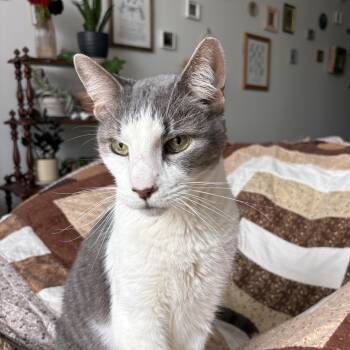
WESTIN
Domestic Medium Hair
🇺🇸
Columbus, Ohio
male, medium, senior
Domestic Medium Hair
Columbus, Ohio
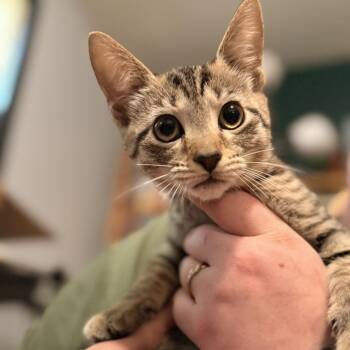
WEDNESDAY ADDAMS
Domestic Short Hair
🇺🇸
Delaware, Ohio
female, small, baby
Domestic Short Hair
Delaware, Ohio

OLIVER
Domestic Short Hair
🇺🇸
Hilliard, Ohio
male, medium, adult
Domestic Short Hair
Hilliard, Ohio
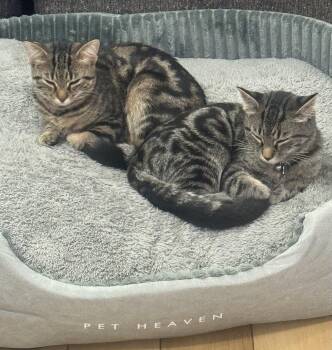
REESE AND ROLO
Tabby, Domestic Short Hair
🇺🇸
Plain City, Ohio
female, medium, young
Tabby, Domestic Short Hair
Plain City, Ohio
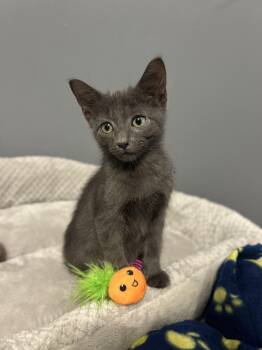
GABANNA
Domestic Short Hair
🇺🇸
Columbus, Ohio
male, small, baby
Domestic Short Hair
Columbus, Ohio
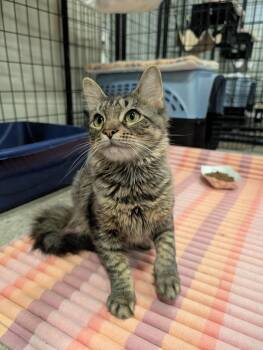
MIDAS
Domestic Medium Hair
🇺🇸
Columbus, Ohio
female, small, adult
Domestic Medium Hair
Columbus, Ohio
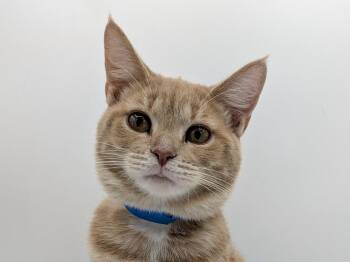
SORRELL
Domestic Short Hair, Tabby
🇺🇸
Powell, Ohio
male, small, baby
Domestic Short Hair, Tabby
Powell, Ohio
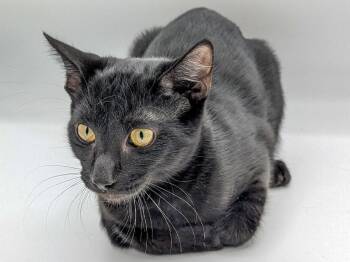
VAUGHAN
Domestic Short Hair
🇺🇸
Powell, Ohio
male, small, baby
Domestic Short Hair
Powell, Ohio
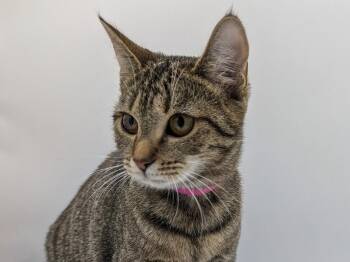
LILITH
Domestic Short Hair, Affenpinscher
🇺🇸
Powell, Ohio
female, small, baby
Domestic Short Hair, Affenpinscher
Powell, Ohio
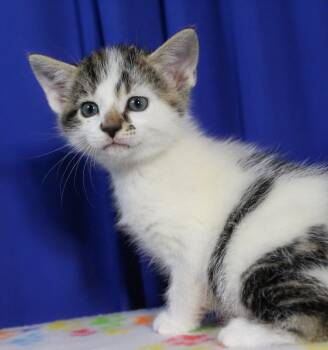
ERNIE
Domestic Short Hair
🇺🇸
Reynoldsburg, Ohio
male, medium, baby
Domestic Short Hair
Reynoldsburg, Ohio
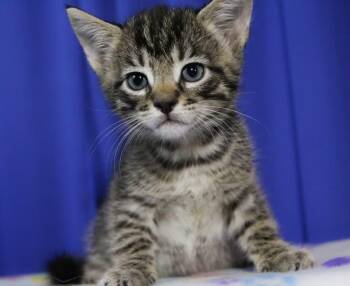
MIKE
Domestic Short Hair
🇺🇸
Reynoldsburg, Ohio
male, medium, baby
Domestic Short Hair
Reynoldsburg, Ohio
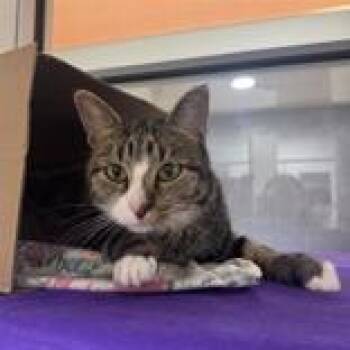
JENNY
Domestic Short Hair
🇺🇸
Hilliard, Ohio
female, medium, adult
Domestic Short Hair
Hilliard, Ohio
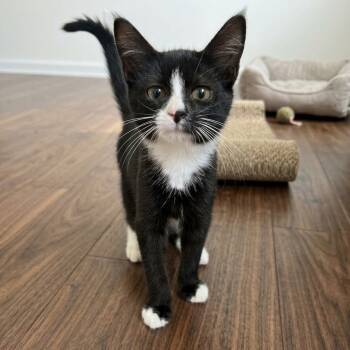
ASHE
American Shorthair, Domestic Short Hair
🇺🇸
Columbus, Ohio
male, medium, baby
American Shorthair, Domestic Short Hair
Columbus, Ohio
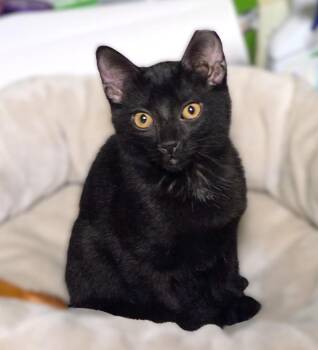
JINX
Domestic Short Hair
🇺🇸
New Albany, Ohio
male, medium, baby
Domestic Short Hair
New Albany, Ohio
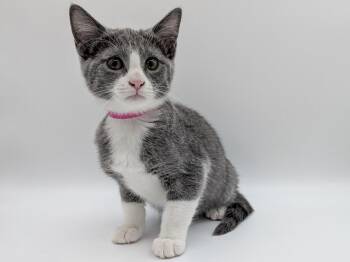
ERIN HANNON
Domestic Short Hair
🇺🇸
Powell, Ohio
female, small, baby
Domestic Short Hair
Powell, Ohio
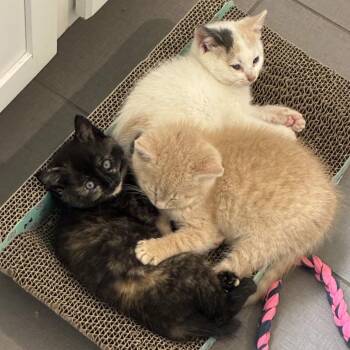
CARL DEAN
Domestic Long Hair
🇺🇸
Delaware, Ohio
male, small, baby
Domestic Long Hair
Delaware, Ohio
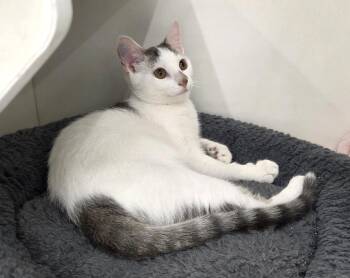
PHILLIPS 66
Domestic Short Hair
🇺🇸
New Albany, Ohio
male, medium, baby
Domestic Short Hair
New Albany, Ohio
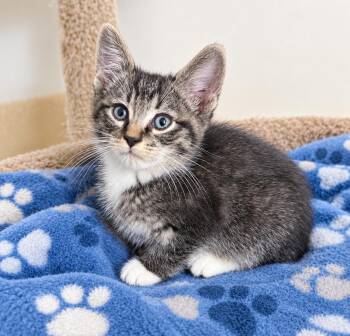
ACE
Domestic Short Hair
🇺🇸
Pickerington, Ohio
male, medium, baby
Domestic Short Hair
Pickerington, Ohio
SHADOW
Domestic Short Hair
🇺🇸
Carroll, Ohio
female, medium, baby
Domestic Short Hair
Carroll, Ohio
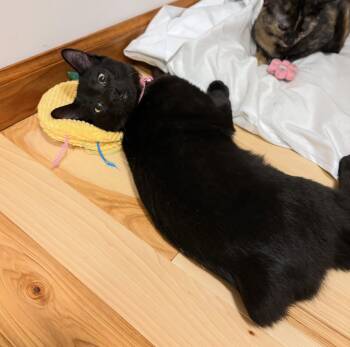
JAVA
Domestic Short Hair
🇺🇸
New Albany, Ohio
female, medium, baby
Domestic Short Hair
New Albany, Ohio
Where to verify a recall
Start with trusted sources. The FDA Center for Veterinary Medicine posts official recall notices, and the FDA Safety Reporting Portal is where you can report problems. The AVMA also lists pet food recalls and links back to official notices.
How to read a recall notice
A correct match matters. Don’t act on brand name alone. Match product name, net weight, UPC, best-by date, and most importantly the lot or batch code. Lot codes are often stamped near the best-by date.
Immediate first steps
Stop feeding the product right away. Isolate it so other pets can’t access it. Do not mix suspected food with other bags.
How to preserve strong evidence
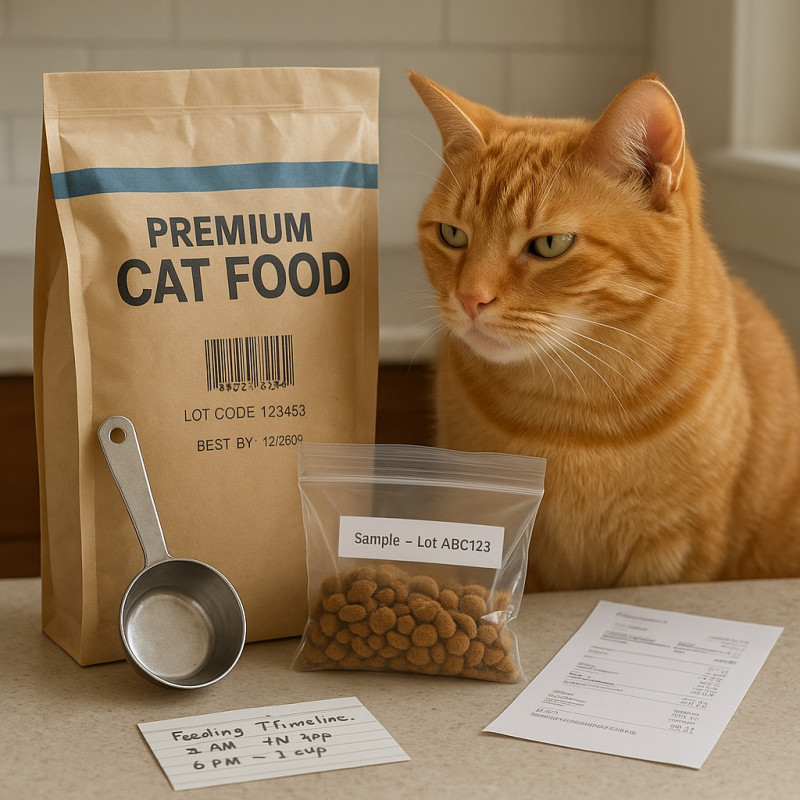
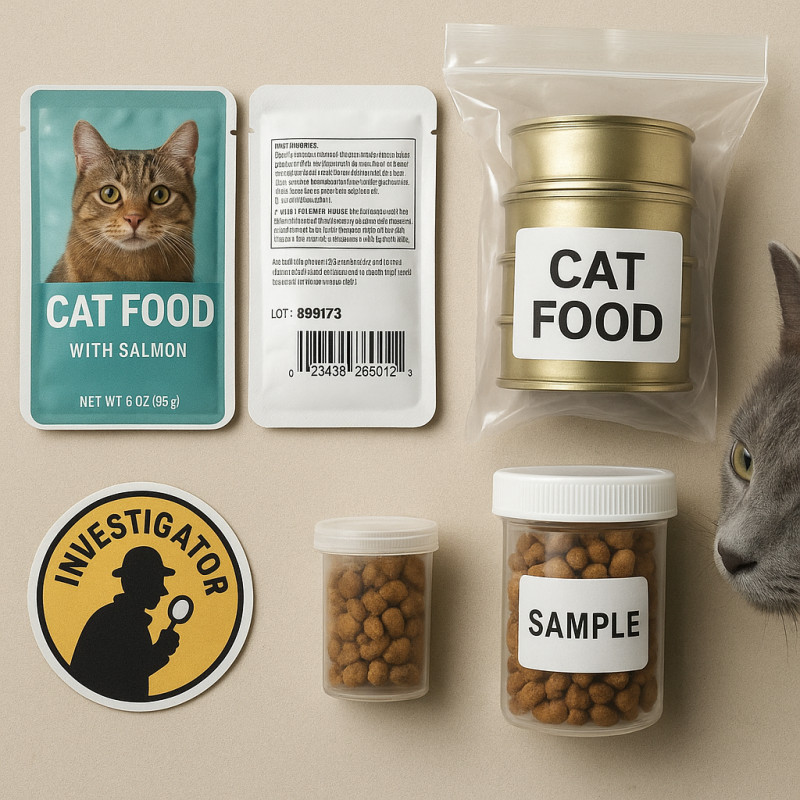
Save the whole package with intact labels and lot code. Take clear photos of the front and back of the package, the ingredient list, the AAFCO statement, the UPC, the best-by date, and the lot code.
For samples, keep 1–2 cups of kibble or several intact cans/pouches from the same lot. Seal samples in a clean zipper bag or container, label them, and refrigerate or freeze to preserve them for possible testing.
Keep the receipt, note the purchase date and store, and write a timeline of when you opened the bag, feeding amounts, and when any symptoms began.
Who to contact
Report the problem to the manufacturer’s consumer line and ask for return/refund instructions. File a report with the FDA via the Safety Reporting Portal. Contact your state feed control official through AAFCO if your state has a feed office.
What symptoms mean serious risk
Watch for vomiting, diarrhea, lethargy, jaundice (yellow gums or eyes), sudden increased thirst or urination, and neurologic changes like stumbling or seizures. If a cat refuses food for more than 24–48 hours, seek urgent veterinary care to prevent hepatic lipidosis.
Common hazard patterns explained
- Salmonella or Listeria: causes GI illness and possible systemic infection; risk to humans who handle contaminated food.
- Aflatoxins: mold toxins that can cause severe liver injury, jaundice, bleeding, and collapse.
- Vitamin D excess: leads to vomiting, weakness, increased thirst/urination, and kidney injury from high calcium.
- Thiamine (B1) deficiency: causes neurologic signs like incoordination and seizures over days to weeks.
Clean-up and hygiene
Wash bowls, scoops, and food mats with hot, soapy water and sanitize surfaces. Wash hands after handling pet food and keep kids away from feeding areas while you clean. If you decant food into bins, keep the original bag top with the lot code.
Disposal and returns
Follow the recall notice. Many manufacturers will request returns or offer refunds. If you must discard, seal the food in a sturdy bag and throw it away where wildlife can’t reach it. Don’t donate recalled items.
Reporting and documentation checklist
- Photos: package front/back, UPC, ingredient panel, AAFCO statement, best-by and lot code.
- Saved sample: 1–2 cups kibble or several canned units from the same lot, sealed and labeled, refrigerated or frozen.
- Records: receipt, purchase location, feeding timeline, notes on symptoms, and vet invoices or lab results.
- Contacts: manufacturer case number, FDA report ID, and state official contact info.
Switching your cat’s diet without panic
If there’s time: transition over 7–10 days by slowly increasing the new food (for example, 75% old/25% new, then 50/50, then 25/75, then 100%). Match format and flavor when possible (wet-to-wet, dry-to-dry) to ease acceptance and reduce GI upset.
If you must switch immediately for safety: stop the suspect food and start the replacement at once. Choose a highly digestible diet with a similar format. Offer small, frequent meals for 24–48 hours and ensure hydration by using wet food or adding water.
If your cat won’t eat the new food
Don’t let a cat fast for more than 24–48 hours. Contact your veterinarian promptly. Your vet can recommend appetite stimulants, anti-nausea medications, or temporary assisted feeding to prevent hepatic lipidosis.
Choosing safer long-term options
Pick foods with an AAFCO “complete and balanced” statement for your cat’s life stage. Prefer companies that use qualified nutritionists, perform feeding trials, publish nutrient data, and have transparent quality control. The AVMA and WSAVA resources can help you evaluate manufacturers.
Storage and prevention tips
Store dry food cool and dry in its original bag inside an airtight container. Don’t mix old and new bags. Keep purchase receipts and photograph lot codes when you open new bags so you can act quickly if a recall happens.
Simple emergency plan
Keep a short list of acceptable backup diets for your cat and store a few days’ supply. Save photos of current packaging with lot codes and keep receipts. That way you can act fast without panicking.
Final reassurance
Most recalls are limited in scope, but if your lot matches, follow the steps above. Verify details at official sites, preserve evidence, report the problem, and get veterinary help when symptoms appear. Acting calmly and methodically protects your cat and your household.
Resources
For official recall notices and reporting, check the FDA Center for Veterinary Medicine and the FDA Safety Reporting Portal, and see the AVMA recall listings for curated updates. For liver-related emergency signs like hepatic lipidosis, Cornell Feline Health Center has clear guidance.
Search our cat listings!
Back to pet blog