
Cheap Cat Food, Hidden Bills: When Upgrading Saves Money and Health
Search our cat listings!
Why “cheap” cat food can be expensive later
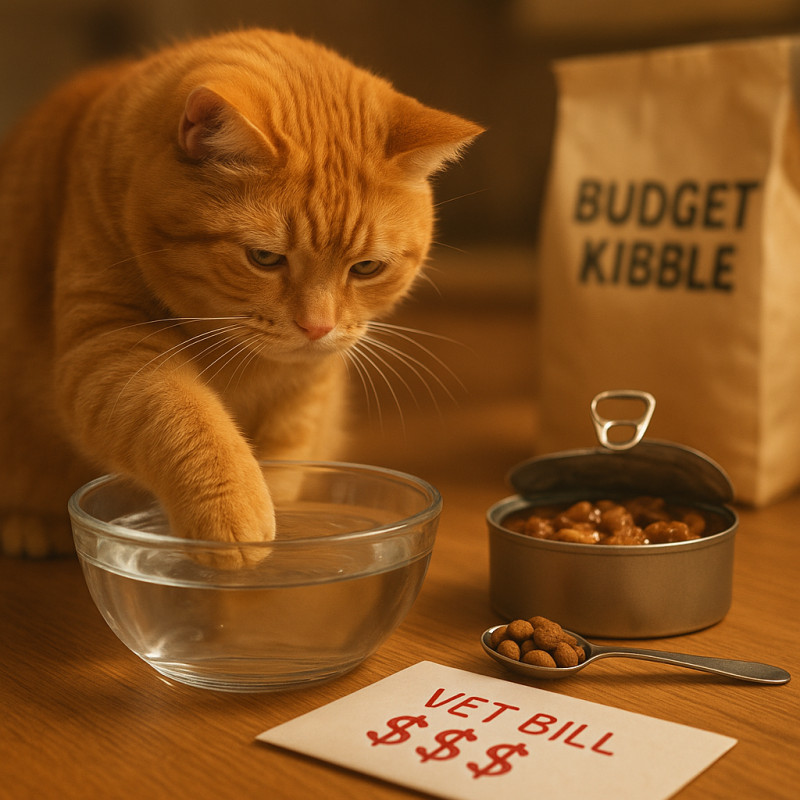
Not all low-cost cat foods are bad, but price alone doesn’t tell the full story. Many grocery brands meet AAFCO minimums yet trade off things like moisture, digestibility, mineral control, feeding trials, and quality checks. Those trade-offs can raise your cat’s risk for urinary problems, obesity and diabetes, dental disease, and kidney stress — all of which lead to bigger vet bills. This post explains the hidden costs and gives simple, budget-friendly steps to upgrade wisely.
Cats near Columbus

XENI
Domestic Short Hair
🇺🇸
Powell, Ohio
female, small, baby
Domestic Short Hair
Powell, Ohio
MIMI
Tabby, Domestic Short Hair
🇺🇸
Plain City, Ohio
female, medium, young
Tabby, Domestic Short Hair
Plain City, Ohio
FAYE
Domestic Short Hair
🇺🇸
Columbus, Ohio
female, medium, adult
Domestic Short Hair
Columbus, Ohio
XARIA
Domestic Short Hair, Tabby
🇺🇸
Powell, Ohio
female, small, baby
Domestic Short Hair, Tabby
Powell, Ohio
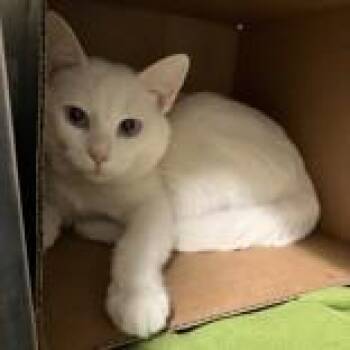
GHOST
Domestic Short Hair
🇺🇸
Hilliard, Ohio
male, medium, adult
Domestic Short Hair
Hilliard, Ohio
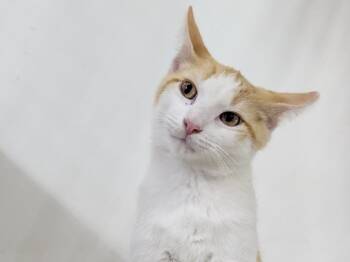
MAGNUS
Domestic Short Hair, Tabby
🇺🇸
Powell, Ohio
male, small, baby
Domestic Short Hair, Tabby
Powell, Ohio
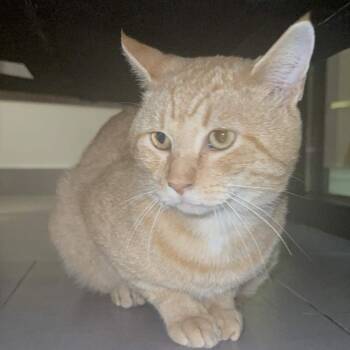
FREDDIE
Domestic Short Hair
🇺🇸
Delaware, Ohio
male, small, adult
Domestic Short Hair
Delaware, Ohio
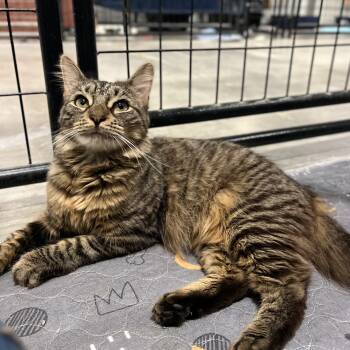
POSH
Domestic Medium Hair
🇺🇸
Columbus, Ohio
female, medium, adult
Domestic Medium Hair
Columbus, Ohio
LOGAN
Domestic Short Hair
🇺🇸
Columbus, Ohio
male, medium, adult
Domestic Short Hair
Columbus, Ohio
NYX
Domestic Short Hair
🇺🇸
Columbus, Ohio
male, medium, young
Domestic Short Hair
Columbus, Ohio

WALTER
Domestic Short Hair
🇺🇸
Powell, Ohio
male, small, baby
Domestic Short Hair
Powell, Ohio

HUNTER
Domestic Short Hair, Tabby
🇺🇸
Powell, Ohio
male, small, baby
Domestic Short Hair, Tabby
Powell, Ohio

PEACHES / GEORGIA
Domestic Short Hair, Dilute Calico
🇺🇸
Powell, Ohio
female, small, baby
Domestic Short Hair, Dilute Calico
Powell, Ohio
BURRITO
Domestic Short Hair
🇺🇸
Ashville, Ohio
male, medium, baby
Domestic Short Hair
Ashville, Ohio
ANNIE
Domestic Short Hair
🇺🇸
Canal Winchester, Ohio
female, small, baby
Domestic Short Hair
Canal Winchester, Ohio
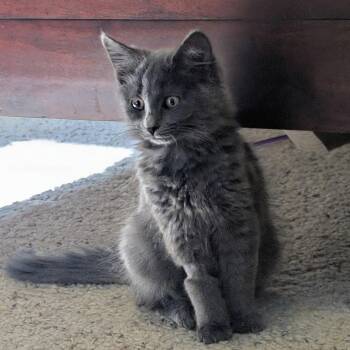
JESSIE
Domestic Long Hair, Domestic Medium Hair
🇺🇸
Columbus, Ohio
female, medium, baby
Domestic Long Hair, Domestic Medium Hair
Columbus, Ohio
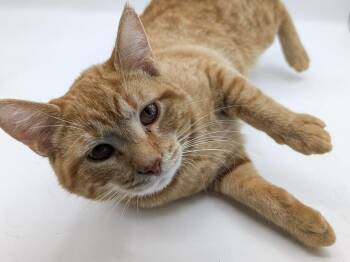
COPPER
Domestic Short Hair, Tabby
🇺🇸
Powell, Ohio
male, small, baby
Domestic Short Hair, Tabby
Powell, Ohio

ROB
Domestic Short Hair
🇺🇸
Reynoldsburg, Ohio
male, medium, baby
Domestic Short Hair
Reynoldsburg, Ohio
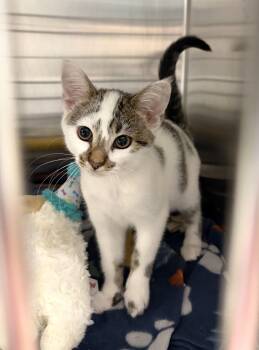
LUNA
Domestic Short Hair
🇺🇸
New Albany, Ohio
female, medium, baby
Domestic Short Hair
New Albany, Ohio
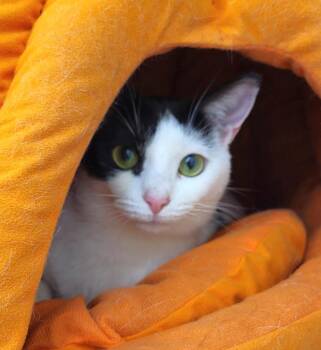
BEAN
Domestic Short Hair
🇺🇸
New Albany, Ohio
female, medium, young
Domestic Short Hair
New Albany, Ohio
Moisture and urinary health: a big payoff
Cats are designed to drink very little, so they concentrate their urine. Feeding mostly dry food usually means low dietary water and more concentrated urine, which raises the chance of crystals, stones, and feline lower urinary tract disease (FLUTD). Studies show adding water or switching to canned food increases urine volume and lowers mineral concentration, which reduces stone risk.
The cost side is clear: a single urethral obstruction can require emergency catheterization and hospitalization costing hundreds to several thousand dollars. Increasing moisture is often the simplest, most cost-effective prevention strategy.
Obesity and diabetes: calorie control matters
Overweight cats face higher risk for diabetes, arthritis, and other conditions that increase long-term veterinary costs. Cheap foods can be more calorie-dense and easy to overfeed if owners measure by scoops instead of calories. Even if ingredients look similar, the daily energy you feed matters most for weight control.
If your cat is overweight or at risk, focus on measuring calories, choosing higher-protein wet foods that help cats feel full, and planning slow weight loss. These steps are far cheaper than the cost of insulin, monitoring, and diabetes complications.
Kidneys and phosphorus: aging with care
Chronic kidney disease (CKD) is common in older cats and can be expensive to manage. Research suggests that highly bioavailable inorganic phosphate additives in some foods may affect kidney-related blood markers even in healthy cats. For middle-aged or senior cats, picking foods without those additives and with controlled phosphorus is a sensible precaution.
Once CKD is diagnosed, therapeutic renal diets have strong evidence for improving quality of life and slowing progression — making the diet investment worthwhile compared to intensive medical care later.
Dental myths: kibble doesn’t clean teeth
Many people believe kibble scrapes plaque away, but ordinary dry food is not a dental treatment. Only diets and treats accepted by the Veterinary Oral Health Council (VOHC) have proven dental benefits. Skipping regular dental care and relying on kibble can lead to gum disease, extractions, and large bills.
Use VOHC-approved dental products and schedule cleanings when recommended to avoid painful problems and costly procedures.
Manufacturer quality and recalls: hidden risk
AAFCO ‘‘complete and balanced’’ statements show a food meets nutrient minimums but don’t guarantee ingredient quality, digestibility, or safety systems. Manufacturers that publish quality testing, use board-certified nutritionists, and run feeding trials reduce risk exposure. WSAVA provides questions you can ask brands to check those practices.
Recalls can happen to any company, but transparency and robust quality control lower the chance of surprise problems that cost you and your cat.
Smart upgrades that give the best return
Start by deciding what problem you’re trying to prevent: urinary disease, weight gain, kidney trouble, or dental disease. Then prioritize these steps:
- Move toward higher moisture: mostly canned food or add water/broth to meals.
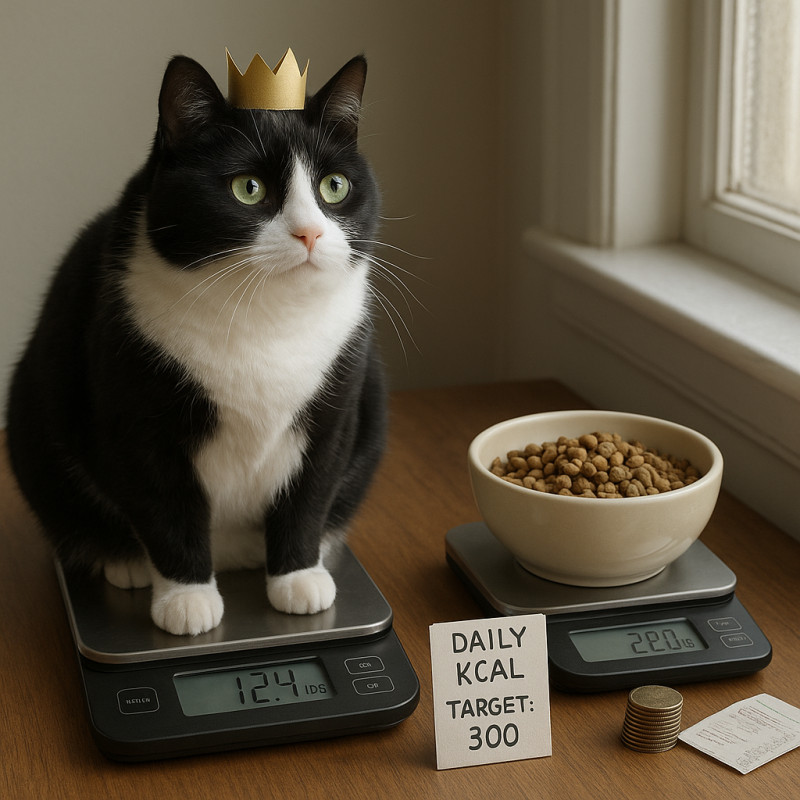
- Portion by calories, not scoops: weigh food and aim for a target daily kcal for your cat’s ideal weight.
- Choose manufacturers that answer WSAVA-style quality questions and run trials when possible.
- For seniors or kidney-risk cats, avoid foods that list inorganic phosphate additives and ask your vet about phosphorus targets.
- For dental care, use VOHC-accepted diets or treats and keep up professional cleanings.
Calculating cost per 100 kcal helps you compare true feeding cost. Often a modest premium adds only a few cents per day but lowers the chance of expensive emergency care.
Budget-friendly hydration and feeding tricks
You don’t need the most expensive brand to improve health. Mix canned food into dry, even 25–50% of calories from wet food helps hydration. Add 1–3 tablespoons of water or low-sodium, onion-free broth to meals, and try a cat water fountain to encourage drinking.
If cost is a tight limit, these changes deliver much of the urinary and kidney benefit without a big monthly spike in food spending.
When it’s clearly time to upgrade now
Upgrade immediately if your cat has had urinary crystals, stones, straining, blood in urine, or repeated UTIs. Also consider upgrading if your cat is overweight, middle-aged and indoor, has frequent vomiting or soft stools, a dull coat, or is entering senior age. If your current brand can’t answer basic WSAVA-style quality questions, that’s another red flag.
A single emergency urethral obstruction or a chronic disease diagnosis can erase years of “savings” from cheap food.
How to switch safely
Change diets slowly over 5–7 days (or longer for sensitive cats): start with 25% new food and increase gradually. Introduce more moisture slowly too, warming wet food slightly to improve acceptance. Monitor weight, stool quality, coat condition, appetite, and urination as you switch.
Work with your veterinarian for cats with medical concerns, and ask for urinalysis or bloodwork if you’re changing diets because of urinary or kidney worries.
Bottom line
The cheapest bag or can at the store may be cheap now but can lead to hidden costs down the road. A moisture-forward, calorie-measured diet from a transparent, quality-focused manufacturer usually gives the best health return on investment. Small, inexpensive changes — adding water, mixing in canned food, measuring calories, and checking a brand’s quality practices — can prevent big vet bills and keep your cat healthier and happier.
Search our cat listings!
Back to pet blog