
Contactless Cat Care: Smart Feeders, Cameras, and Keyless Entry for Peace of Mind
Search our cat listings!
Intro
Contactless cat care mixes smart feeders, pet cameras, and keyless locks so you can check on and care for your cat without daily house visits. This setup can cover short trips and busy workdays while keeping your cat's routine steady.
It isn't magic — it needs planning, backups, and attention to your cat’s needs. With the right choices you can reduce sitter visits and still keep your cat healthy and happy.
Cats near Columbus
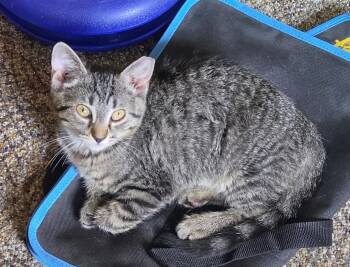
JOLIE
Tabby
🇺🇸
New Albany, Ohio
female, medium, baby
Tabby
New Albany, Ohio
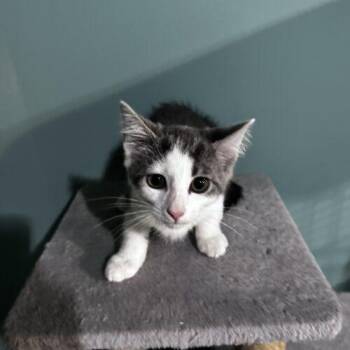
FUJI
Domestic Short Hair
🇺🇸
Canal Winchester, Ohio
female, small, baby
Domestic Short Hair
Canal Winchester, Ohio
STORMY
Domestic Short Hair
🇺🇸
Hilliard, Ohio
female, small, young
Domestic Short Hair
Hilliard, Ohio
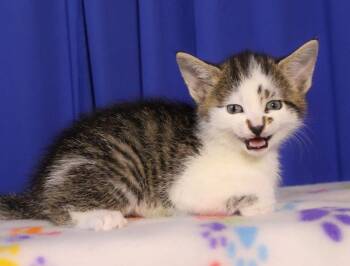
CHIP
Domestic Short Hair
🇺🇸
Reynoldsburg, Ohio
male, medium, baby
Domestic Short Hair
Reynoldsburg, Ohio
PURRARI
Domestic Short Hair
🇺🇸
Powell, Ohio
female, small, baby
Domestic Short Hair
Powell, Ohio
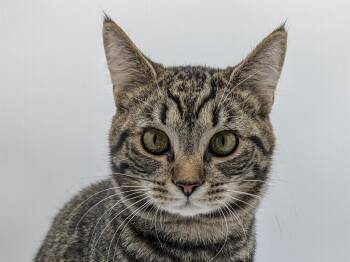
HUNTER
Domestic Short Hair, Tabby
🇺🇸
Powell, Ohio
male, small, baby
Domestic Short Hair, Tabby
Powell, Ohio

ELTON
Domestic Short Hair
🇺🇸
Columbus, Ohio
male, large, adult
Domestic Short Hair
Columbus, Ohio
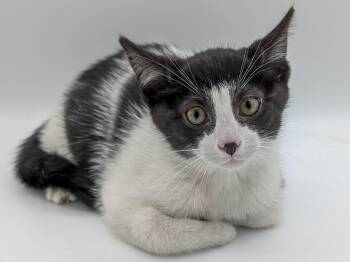
CALDER
Domestic Short Hair
🇺🇸
Powell, Ohio
male, small, baby
Domestic Short Hair
Powell, Ohio
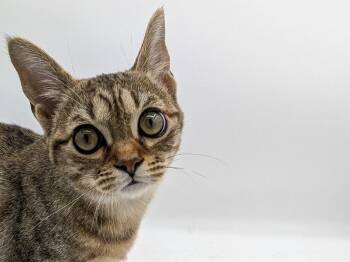
CATSY CLINE
Domestic Short Hair, Tabby
🇺🇸
Powell, Ohio
female, small, baby
Domestic Short Hair, Tabby
Powell, Ohio
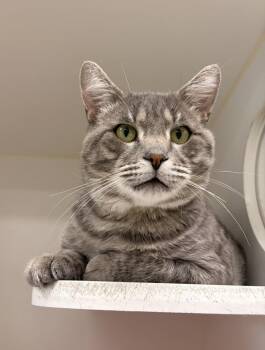
BRUCE
Domestic Short Hair
🇺🇸
Columbus, Ohio
male, large, adult
Domestic Short Hair
Columbus, Ohio
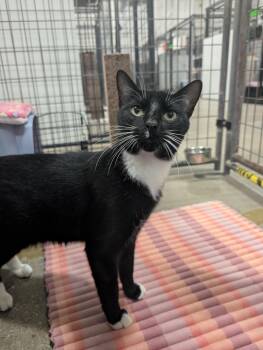
MCLAREN
Domestic Short Hair
🇺🇸
Columbus, Ohio
male, medium, young
Domestic Short Hair
Columbus, Ohio
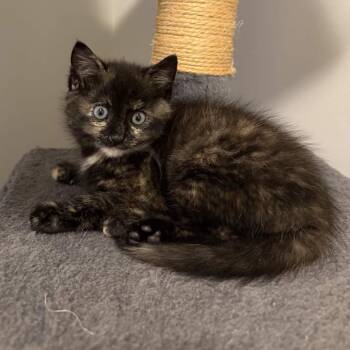
JOLENE
Domestic Long Hair
🇺🇸
Delaware, Ohio
female, small, baby
Domestic Long Hair
Delaware, Ohio
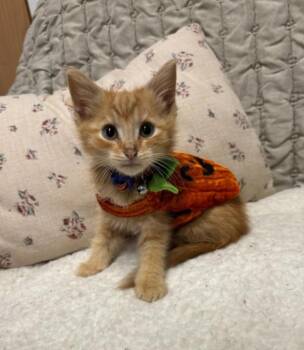
CANDY CORN
Tabby
🇺🇸
Carroll, Ohio
male, medium, baby
Tabby
Carroll, Ohio
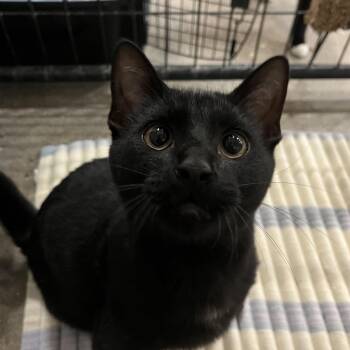
DUDLEY
Domestic Short Hair
🇺🇸
Columbus, Ohio
male, medium, young
Domestic Short Hair
Columbus, Ohio
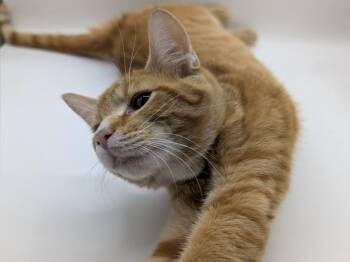
SAWYER
Domestic Short Hair, Tabby
🇺🇸
Powell, Ohio
male, small, baby
Domestic Short Hair, Tabby
Powell, Ohio
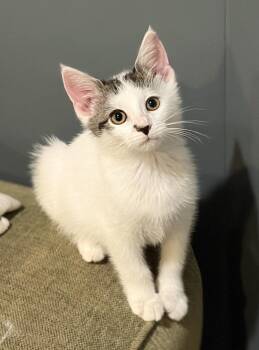
VENUS
Domestic Short Hair
🇺🇸
New Albany, Ohio
female, medium, baby
Domestic Short Hair
New Albany, Ohio
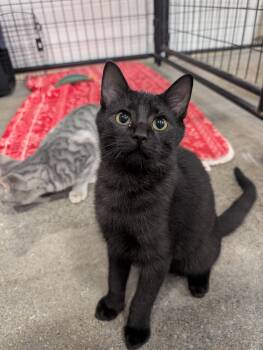
COAL
Domestic Short Hair
🇺🇸
Columbus, Ohio
male, small, young
Domestic Short Hair
Columbus, Ohio
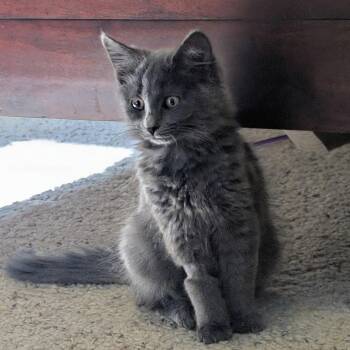
JESSIE
Domestic Long Hair, Domestic Medium Hair
🇺🇸
Columbus, Ohio
female, medium, baby
Domestic Long Hair, Domestic Medium Hair
Columbus, Ohio
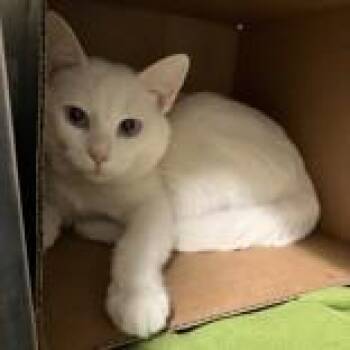
GHOST
Domestic Short Hair
🇺🇸
Hilliard, Ohio
male, medium, adult
Domestic Short Hair
Hilliard, Ohio
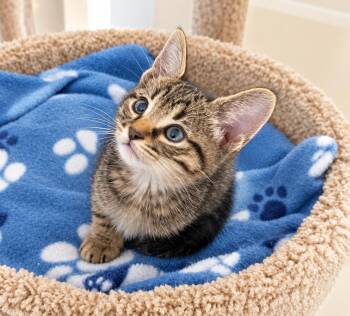
RUMMY
Domestic Short Hair
🇺🇸
Pickerington, Ohio
male, medium, baby
Domestic Short Hair
Pickerington, Ohio
What contactless cat care looks like
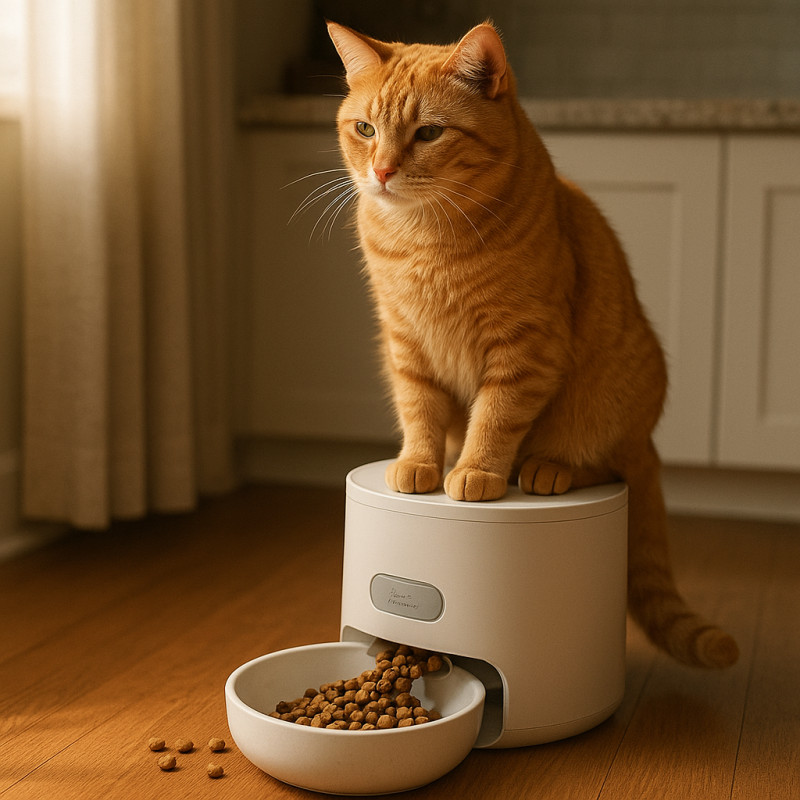
Contactless care means automation for food, water, and visibility, plus secure remote access if someone must enter. Think of it as a “care stack”: feeders to deliver meals, cameras to watch behavior, and a smart lock for occasional human help.
The stack replaces many short drop-ins but does not replace hands-on care for long trips, sick cats, or kittens. Rules of thumb from welfare groups recommend at least a daily human check for multi-day absences.
Feeding: the foundation
Feeding is the most important automated piece because food affects health and behavior. Pick a feeder that fits your cat’s diet pattern and that keeps its schedule locally if the internet fails.
- Gravity bowls — simple, but unreliable for timed portions and can jam or overfeed.
- Mechanical/timer feeders — tray or rotating designs store the schedule locally and are very reliable.
- Wi‑Fi feeders — convenient for app control and alerts, but prefer models that still run preset schedules without cloud access.
- Microchip feeders — open only for the right cat, ideal in multi‑cat homes or for special diets (example: SureFeed).
For health, feed small frequent meals (3–6 per day) to match cats’ natural hunting rhythm. Use battery‑backed feeders or dual power (AC + batteries), test kibble size for jams, and run a 7–10 day test before travel.
If your cat needs medication, wet food, or subcutaneous fluids, a sitter or vet visit is still required — automation helps but can't replace hands‑on medical care.
Cameras: the remote eyes and ears
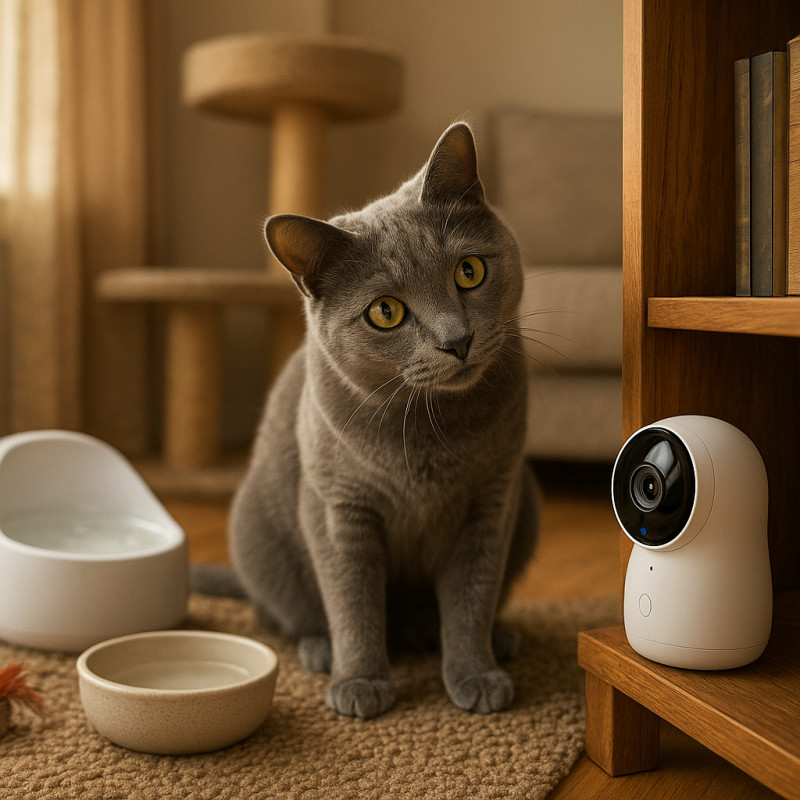
Cameras let you check appetite, activity, and litter use from anywhere. Look for 1080p video, night vision, pet detection, two‑way audio, pan/tilt coverage, and local storage (microSD or NVR) to avoid relying only on cloud services.
Place cameras to cover the feeder, water station, and one for the litter area. Use two‑way audio sparingly; a single calm recorded mealtime cue works better than frequent disembodied talking.
Keep in mind many camera features are tied to subscriptions for AI clips and history. If privacy and cost matter, choose local recording and enable only essential cloud features.
Smart locks: controlled, auditable access
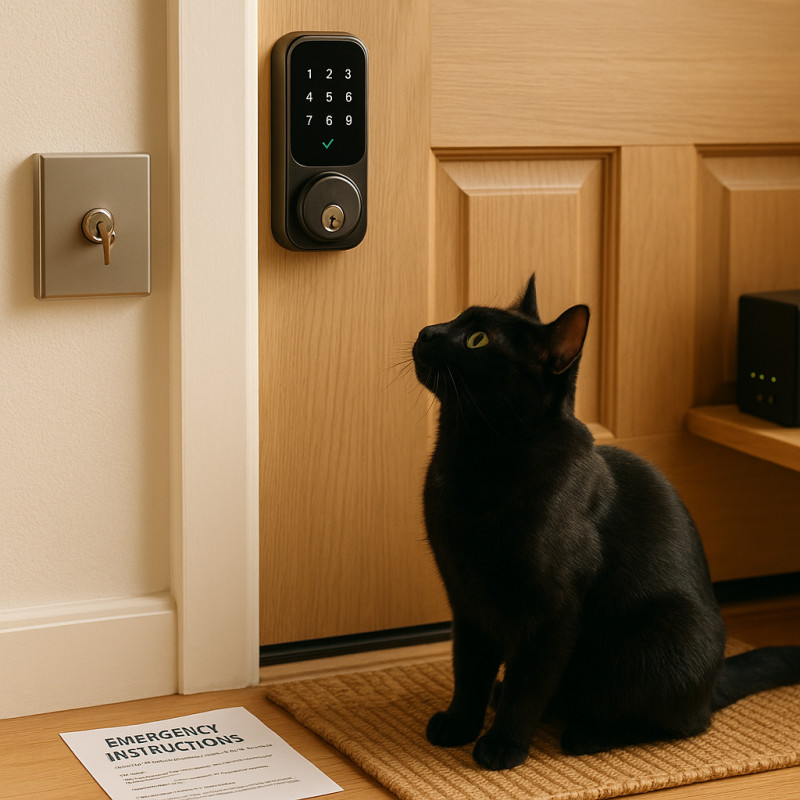
Even with great automation, a human check is recommended for absences longer than 24–48 hours. Smart locks let you grant time‑limited or one‑time access without exchanging keys.
Choose locks with per‑user codes, audit logs, auto‑lock, and clear battery warnings. Assign unique codes to helpers and revoke them after use, and keep a mechanical key or lockbox as a physical fallback.
Redundancy: planning for failures
Build backups so a single problem doesn't leave your cat without food or water. Redundancy is about power, internet, and duplicate services.
Keep at least one non‑powered water bowl in addition to a fountain, put feeders on AC plus D‑cell or rechargeable battery backup, and add a UPS for your router/modem so cameras and cloud services can keep running during short outages.
For trips over 48 hours, consider two feeder channels (a primary automatic feeder and a simple mechanical tray set for one meal/day) and set low‑food alerts on your apps.
Litter and enrichment
Self‑cleaning litter boxes can extend the time between scoopings but still need human inspection and periodic deep cleaning. Put a standard box as backup if you'll be away several days.
Enrichment — toys, perches, scratching posts — keeps a cat mentally healthy. Timed toys are optional, but make sure nothing can tangle or harm the cat when you're not home.
Privacy and device security
Camera and lock security matters. Use unique strong passwords, enable two‑factor authentication, and keep firmware updated. Put IoT devices on a guest VLAN and disable unnecessary cloud features.
Past camera incidents highlight risks of cloud data; where possible choose vendors with local storage and good privacy records, and rotate lock codes after each trip.
When automation is not enough
Automation is great for short trips and daily life, but hands‑on care is essential for medical needs, kittens, seniors, or any cat with changing appetite or litter behavior. Welfare groups recommend at least a daily check for absences longer than 24–48 hours (see PDSA guidance).
If a camera shows vomiting, no eating, or litter problems, arrange an immediate human visit. Automation lets you spot trouble sooner, but people still fix the problems.
Quick 3‑week setup plan
- Week 0–1: Map routines, pick feeders/cameras/lock, buy battery backups and a UPS.
- Week 2: Install, update firmware, program schedules, and test offline operation for 7–10 days.
- Week 3: Add contingency helpers, assign time‑boxed lock codes, and finalize emergency instructions and vet contacts.
Cost and payoff
A mid‑range setup often pays for itself if it replaces many short sitter visits over a year. Expect feeder costs from about $60–$200, cameras $35–$200, a smart lock $120–$300, and a UPS $60–$120.
Remember to budget for subscriptions if you want cloud clips or AI alerts, and keep spare batteries and a neighbor/helper on call for emergencies.
Final tips
Introduce devices slowly so your cat learns the feeder sounds and doesn't get stressed by sudden voices. Test everything with short trial runs, and after each trip review any alerts or jams and improve the plan.
Contactless cat care can make life simpler while keeping your cat well fed, hydrated, and monitored. With thoughtful redundancy, privacy hygiene, and at least occasional human checks, you can safely reduce sitter visits and still put your cat’s welfare first.
Search our cat listings!
Back to pet blog