
Are Automatic Litter Boxes Worth It? Pros, Cons, and Which Cats Adapt Best
Search our cat listings!
Are you thinking about an automatic litter box but not sure if it’s a good fit for your cat and home? This post breaks down how these machines work, who benefits most, the downsides, and simple steps to help your cat adapt.
What automatic litter boxes do
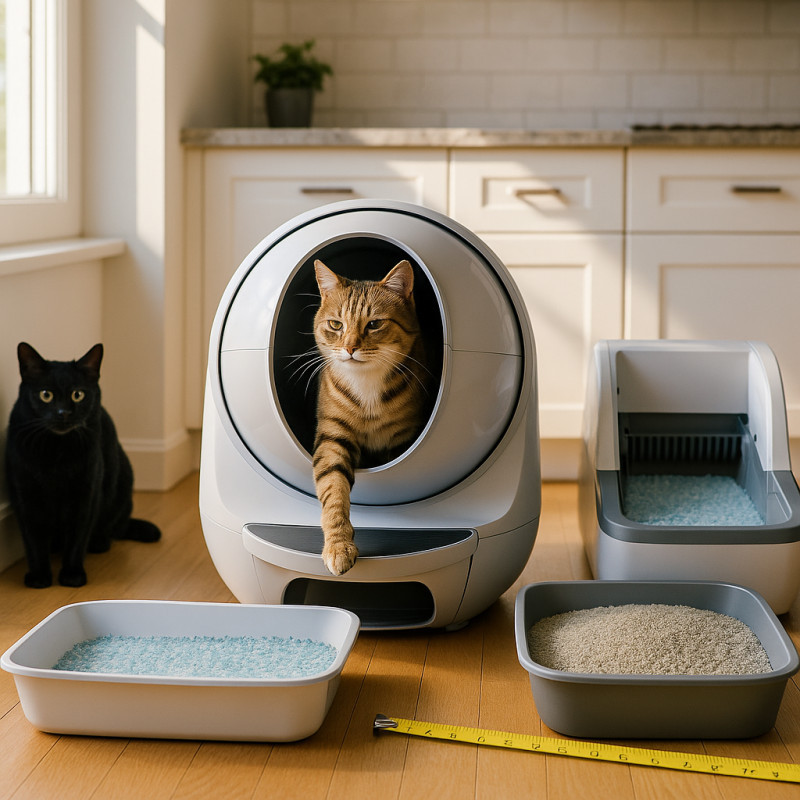
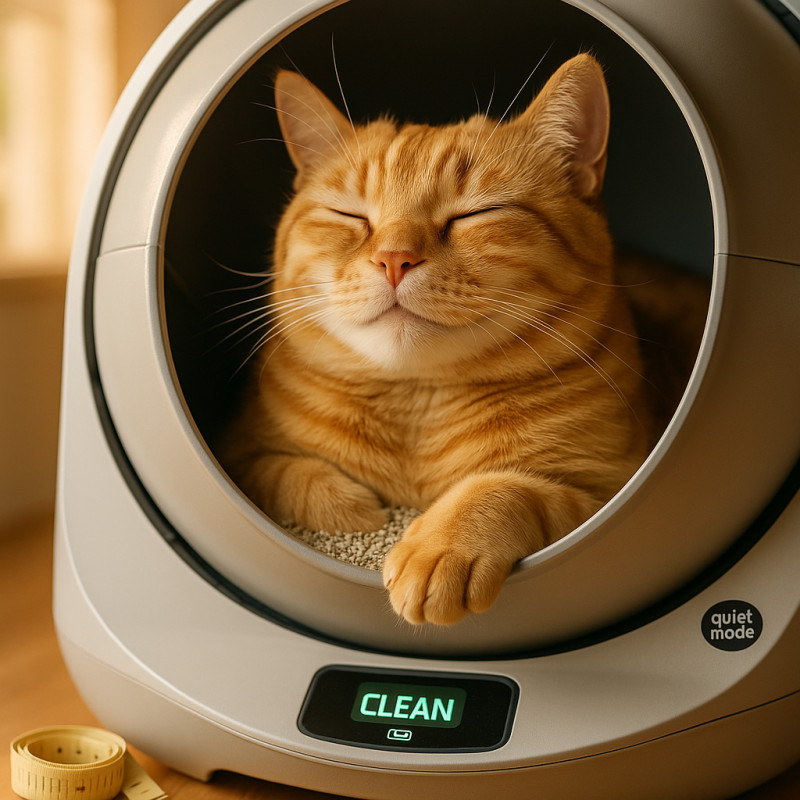
Automatic litter boxes either sift clumping litter, rake waste into a sealed compartment, or even wash reusable granules with water. When they work well they keep the litter cleaner between full cleanings, which most cats prefer because felines like a clean toilet area. They use motors, sensors, and sometimes app tracking to move or remove waste without you scooping every day. That convenience is the main reason people buy them.
Cats near Newberg
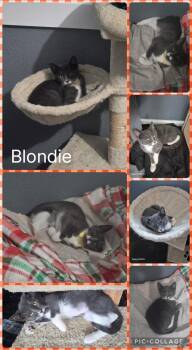
BLONDIE
Domestic Short Hair
🇺🇸
Newberg, Oregon
female, small, baby
Domestic Short Hair
Newberg, Oregon

ALFRED
Domestic Short Hair
🇺🇸
Portland, Oregon
male, small, baby
Domestic Short Hair
Portland, Oregon
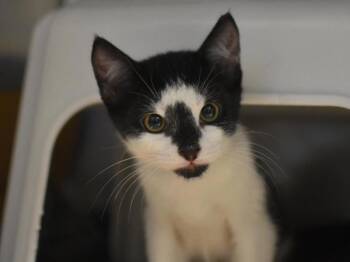
ASIAGO
Domestic Short Hair
🇺🇸
Portland, Oregon
male, small, baby
Domestic Short Hair
Portland, Oregon
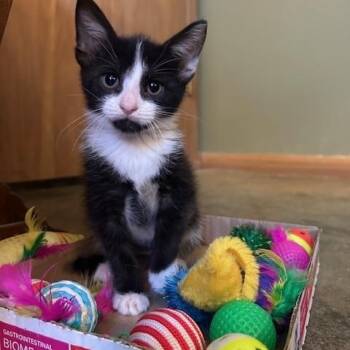
MAGGIE
Domestic Short Hair
🇺🇸
Portland, Oregon
female, medium, baby
Domestic Short Hair
Portland, Oregon
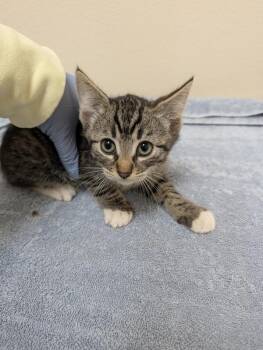
MARCUS
Domestic Short Hair
🇺🇸
Sherwood, Oregon
male, small, baby
Domestic Short Hair
Sherwood, Oregon
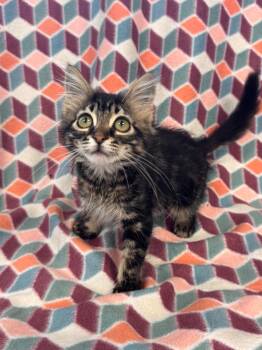
ANIYA @ PETSMART WALKER RD
Domestic Medium Hair
🇺🇸
Newberg, Oregon
female, medium, baby
Domestic Medium Hair
Newberg, Oregon
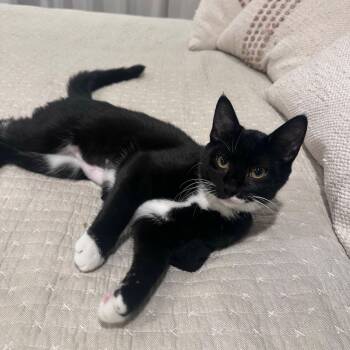
DOE
Domestic Short Hair
🇺🇸
Gladstone, Oregon
female, small, baby
Domestic Short Hair
Gladstone, Oregon
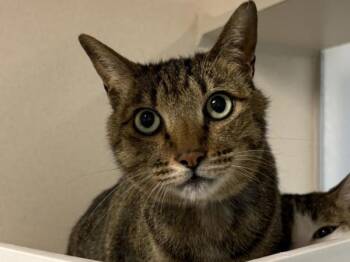
HENRY AND SISSY
Domestic Short Hair
🇺🇸
Portland, Oregon
male, medium, senior
Domestic Short Hair
Portland, Oregon
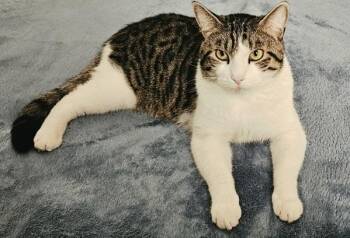
TIRION
Domestic Short Hair
🇺🇸
Sherwood, Oregon
male, small, adult
Domestic Short Hair
Sherwood, Oregon
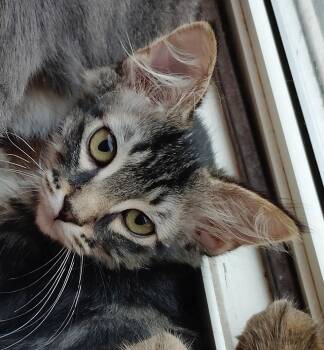
JONATHAN (BONDED WITH LITTLE MARCI)
Domestic Short Hair
🇺🇸
Silverton, Oregon
male, medium, baby
Domestic Short Hair
Silverton, Oregon
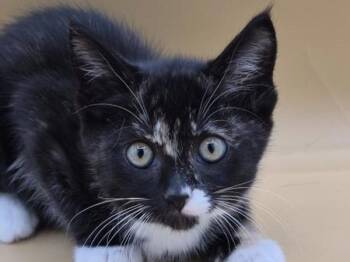
BROOKE
Domestic Short Hair
🇺🇸
Portland, Oregon
female, small, baby
Domestic Short Hair
Portland, Oregon
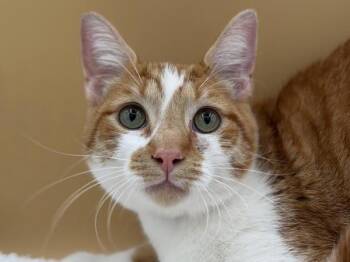
CLEM
Domestic Short Hair
🇺🇸
Portland, Oregon
male, medium, young
Domestic Short Hair
Portland, Oregon
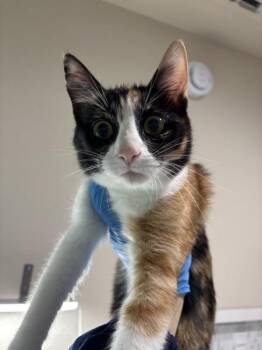
BUTTERNUT
Domestic Short Hair
🇺🇸
Sherwood, Oregon
female, small, baby
Domestic Short Hair
Sherwood, Oregon
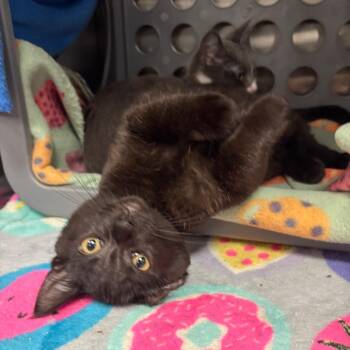
REDBULL
Domestic Short Hair
🇺🇸
Keizer, Oregon
male, small, baby
Domestic Short Hair
Keizer, Oregon
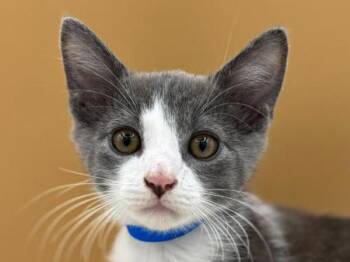
JESSE
Domestic Short Hair
🇺🇸
Portland, Oregon
male, small, baby
Domestic Short Hair
Portland, Oregon
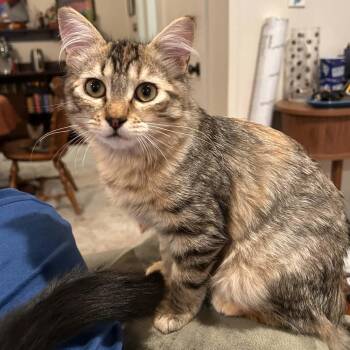
JESSIE
Domestic Medium Hair
🇺🇸
Gladstone, Oregon
female, small, baby
Domestic Medium Hair
Gladstone, Oregon
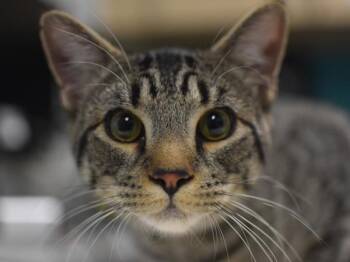
WILBUR
Domestic Short Hair
🇺🇸
Portland, Oregon
male, medium, young
Domestic Short Hair
Portland, Oregon
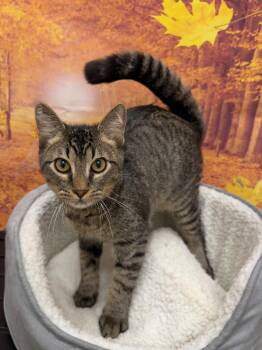
BEARCLAW
Domestic Short Hair
🇺🇸
Newberg, Oregon
male, medium, baby
Domestic Short Hair
Newberg, Oregon
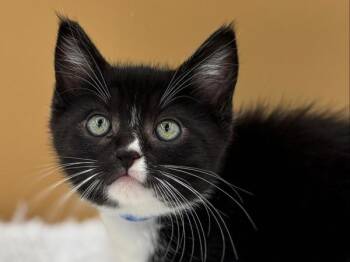
BUBS
Domestic Short Hair
🇺🇸
Portland, Oregon
male, small, baby
Domestic Short Hair
Portland, Oregon
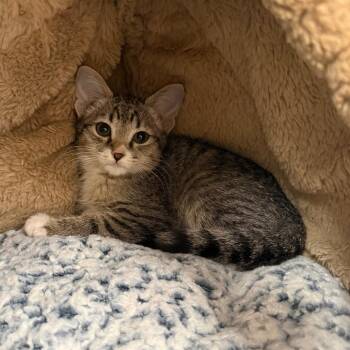
BANANA PEPPER
Domestic Short Hair
🇺🇸
Newberg, Oregon
female, small, baby
Domestic Short Hair
Newberg, Oregon
Big advantages
Automatic boxes can save time and reduce odor when the unit cycles reliably and you empty the waste drawer on schedule. For busy owners, people who travel often, or those with physical limits, less daily scooping is a real benefit. In multi-cat homes a well-chosen auto box can keep up with use better than a single manual pan, lowering conflict when paired with the right number and placement of boxes. Some smart models also track visits and weight trends, which can help spot medical changes early.
Important downsides
The first trade-off is cost: many reliable units are several hundred dollars, and some need ongoing consumables like trays or filters. Noise, movement, and vibration can scare sensitive cats and cause avoidance. Mechanical failures happen—diarrhea or sticky stool can jam mechanisms and need hands-on cleaning. Also, because the machine hides waste quickly, owners may miss early changes in stool or urine unless they check the waste drawer regularly.
Which cats adapt best
Cats most likely to accept automatic boxes are confident adult cats already using clumping, unscented litter and comfortable with semi-enclosed spaces. These cats usually tolerate the sound and motion better and accept the same litter substrate. Kittens and very small cats may not trigger safety sensors and many manufacturers set minimum weight or age limits. Anxious cats, those with prior litter aversion, and cats frightened by appliances often reject autos. Senior or arthritic cats usually prefer large, low-sided boxes because high entries and narrow openings can be painful or intimidating.
Types of automatic boxes and what they mean
- Rotating/sifting globes (use clumping clay): Strong odor control and low consumables, but big and need periodic deep cleaning.
- Rake-style units (often use crystal litter): Simple daily cleanup with disposable trays, but tray costs add up and some cats dislike crystal texture.
- Plumbed washers (wash granules): No disposable litter, but need water/drain installation and can be louder and more complex.
Choosing the right model for your cat
Measure your cat from nose to base of tail and look for interior length about 1.5× that size so the cat can turn and dig comfortably. Match the litter type: if your cat uses clumping clay, avoid crystal-only machines. Pick models with low entry or ramps for seniors and large breeds, and prefer quieter motors or sleep modes for noise-sensitive cats. Check maintenance demands and the cost/availability of any proprietary trays or filters before buying.
How to introduce an automatic box successfully
Start with the old box in place and keep both available until the cat reliably uses the new unit for 2–4 weeks. Place the new box near the old one and leave it powered off at first so the cat can explore without noise. Use the same litter or transition slowly by mixing old and new litter over several days. When you enable cycles, set long delays and avoid running the unit at night while your cat is adjusting. Reward curiosity and watch for any hesitations or accidents nearby.
Maintenance, health checks, and backups
Even with an automatic box you must empty the drawer regularly, clean filters, and perform periodic deep cleans to prevent odor buildup. Check the waste drawer or app logs to monitor stool form and elimination frequency; automated logs help but do not replace visual checks. Keep a manual low-sided box available as a backup for power outages, mechanical failures, or if your cat rejects the auto unit.
Who should probably skip them
If you have a very anxious cat, a kitten under the manufacturer’s minimum weight/age, a senior cat with mobility issues, or a cat with frequent medical bathroom changes, a large, low-sided manual box is likely safer. Also avoid autos if you cannot commit to the unit’s maintenance schedule or ongoing consumable costs.
Bottom line: match the device to the cat
Automatic litter boxes can be worth it for the right household: busy owners with adaptable adult cats who already use the right litter and whose homes can accommodate the unit. They offer cleaner litter between scoops and real time savings, but they add cost, complexity, and potential failure points. Always follow basic litter box rules—one box per cat plus one, generous size, quiet placement, and regular checks of waste—and introduce any automatic unit slowly while keeping a traditional pan available.
For more detailed veterinary and behavior guidance, see the AAFP/ISFM feline environmental needs and practical litter-box resources from Cornell and consumer reviews like Wirecutter to compare real models and noise, size, and maintenance trade-offs. You can start exploring product options and best practices at these links: AAFP/ISFM guidelines, Cornell Feline Health Center, and Wirecutter automatic litter box reviews.
Search our cat listings!
Back to pet blog