
Plum Headed Parakeet - Complete Breed Guide
Plum Headed Parakeet - Complete Breed Guide
Breed Overview
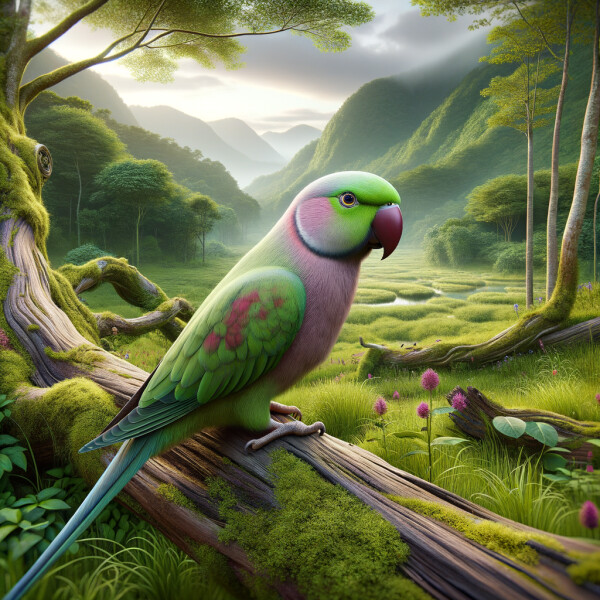
With vibrant plumage adorning their heads, these small parakeets are native to the Indian subcontinent. Known for their sociable nature and playful demeanor, they thrive in aviaries with plenty of space to fly and explore. Their unique calls and whistles make them a delightful addition to any bird enthusiast's collection. Featuring a gentle disposition, they easily bond with their human caregivers, forming strong relationships based on trust and interaction. With a diverse diet consisting of fruits, vegetables, seeds, and pelleted food, these charming birds require a balanced nutrition plan to maintain their health and vitality.
Adoption & Local Availability
If you’re looking to bring a plum headed parakeet into your home, there are several ways to find one available for adoption. Below are options to explore both local availability and general listings.
Size and Appearance
Small to medium-sized, the plum-headed parakeet typically measures around 12 inches in length. This bird boasts a vibrant plum-colored head that contrasts beautifully with its emerald green body, while its wings exhibit shades of blue and green. The male stands out with a deeper plum coloration on its head compared to the female, who displays a lighter shade. A distinguishing characteristic is the black stripe that runs from the forehead to the eyes, enhancing its charming appearance. Overall, the plum-headed parakeet is a visually striking and elegant bird species.
Health and Lifespan
Plum-headed parakeets generally have a good health record when provided with a balanced diet, spacious living environment, and regular veterinary check-ups. They can live up to 15-20 years in captivity with proper care, which includes a variety of seeds, fruits, vegetables, and occasional supplements. Common health issues in this breed include respiratory infections, nutritional deficiencies, and feather plucking, all of which can be managed or prevented through adequate diet, exercise, and interaction. Providing a safe and stimulating environment is crucial for their overall well-being and longevity.
Family Compatibility
Plum-headed parakeets are known for their gentle and social nature, making them excellent companions for families. They thrive on interaction and enjoy being part of family activities. These birds bond closely with their human caregivers, forming strong emotional connections. However, it's essential to provide them with proper training and socialization to prevent behavioral issues. With the right care and attention, plum-headed parakeets can bring joy and companionship to families, creating a harmonious and fulfilling relationship for both the birds and their human companions.
Exercise Needs
Exercise is crucial for these active and playful birds, requiring ample space to stretch their wings and engage in physical activity. Providing various toys, perches, and opportunities for climbing and flying within a safe and spacious aviary or cage promotes their overall well-being. Daily supervised time outside of the enclosure allows for mental stimulation and social interaction with their human companions, aiding in preventing boredom and potential behavioral issues. Regular flying exercises and opportunities for play are essential to maintain their physical health and mental enrichment, contributing to a happy and vibrant avian companion.
Diet and Feeding
Plum-headed parakeets thrive on a diverse diet consisting of fruits, vegetables, seeds, nuts, and grains. It's essential to provide a balanced nutritional intake including leafy greens like spinach, broccoli, and kale. Offer fresh fruits such as apples, pears, and berries, along with occasional treats like millet sprays. A quality pellet mix can serve as a staple in their diet, supplemented with nuts like almonds and walnuts for added enrichment. Fresh, clean water should always be available, and regular monitoring of their food intake ensures optimal health and well-being for these vibrant avian companions.
Living Environment
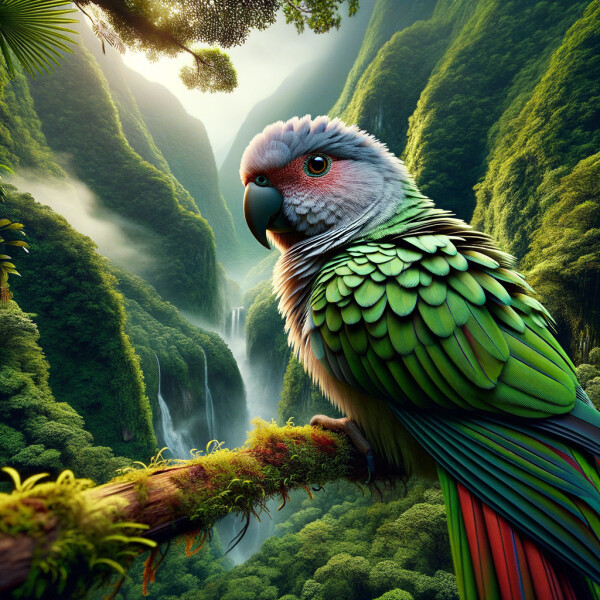
Plum-headed parakeets thrive in spacious aviaries or well-furnished cages that allow for plenty of flight and exercise. These birds should have access to clean water, a variety of perches of different sizes and textures to exercise their feet, and toys to keep them mentally stimulated. Providing a diverse diet of fresh fruits, vegetables, seeds, and pellets is essential for their health. It's important to place their enclosure in a quiet area away from drafts and extreme temperature fluctuations to ensure their comfort and well-being. Regular cleaning and maintenance of their living space are crucial to prevent health issues.
Grooming
Regular grooming is crucial for maintaining the health and appearance of these birds. They should have access to fresh water for bathing, which helps them clean their feathers and skin. Additionally, providing a shallow dish of water for them to bathe in can also help keep their plumage in top condition. They will also benefit from periodic nail trimming to prevent overgrowth and potential injury. Finally, offering natural wood perches can help them naturally maintain their beaks at a healthy length. By incorporating these grooming practices into their routine, owners can ensure their beloved birds look and feel their best.
Training and Intelligence
These birds are highly intelligent and can be trained with positive reinforcement techniques. They excel at learning new tricks and commands, especially when rewarded with treats and praise. It is essential to start training early to build a strong bond with them and establish good behavior patterns. Training sessions should be kept short and engaging to keep these birds interested and motivated. Consistent, patient, and gentle training methods work best with this breed, as they are sensitive to harsh treatment. With the right approach, plum-headed parakeets can become well-behaved, sociable companions.
Exercise and Activity Requirements
Plum-headed parakeets are active birds that require plenty of exercise to stay healthy and happy. They love to fly and should have ample space to spread their wings. Providing enrichment activities like toys, ropes, and ladders can help keep them mentally stimulated. Encouraging natural behaviors such as foraging for food can also help meet their exercise needs. It's important to ensure they have enough room to move around freely and engage in physical activities to prevent boredom and promote overall well-being. Regular out-of-cage time and interaction with their human companions can also contribute to meeting their exercise requirements.
Socialization
Plum-headed parakeets are social creatures that thrive on interaction with their flock or human companions. Early socialization is crucial for their mental well-being and ensures they develop friendly and affectionate personalities. These birds enjoy spending time with their owners, engaging in games and being part of family activities. Regular social interaction helps prevent behavioral issues like feather plucking or aggression. Providing ample opportunities for socialization through gentle handling, positive reinforcement, and exposure to various stimuli will result in a well-adjusted and sociable avian companion.
Lifespan
The lifespan of the plum-headed parakeet typically ranges between 15 to 20 years in captivity when provided with proper care and a suitable environment. Factors such as diet, exercise, social interaction, and overall health play significant roles in determining the longevity of these colorful and intelligent birds. With regular veterinary check-ups, a balanced diet rich in fruits and vegetables, plenty of mental stimulation, and spacious living quarters that allow for physical activity, plum-headed parakeets can live a fulfilling and healthy life spanning two decades.
Common Behavioral Issues
Common behavioral issues in this bird breed include feather plucking, excessive screaming, and aggression. Feather plucking can be caused by stress, boredom, or illness, and requires attention to the bird's environment and diet. Excessive screaming may be a result of lack of stimulation or attention, while aggression can stem from territorial behavior or fear. Addressing these issues involves providing mental and physical stimulation, proper socialization, and creating a stable and secure environment for the birds. Regular veterinary check-ups can help in identifying any underlying health issues contributing to these behavioral problems.
Special Considerations
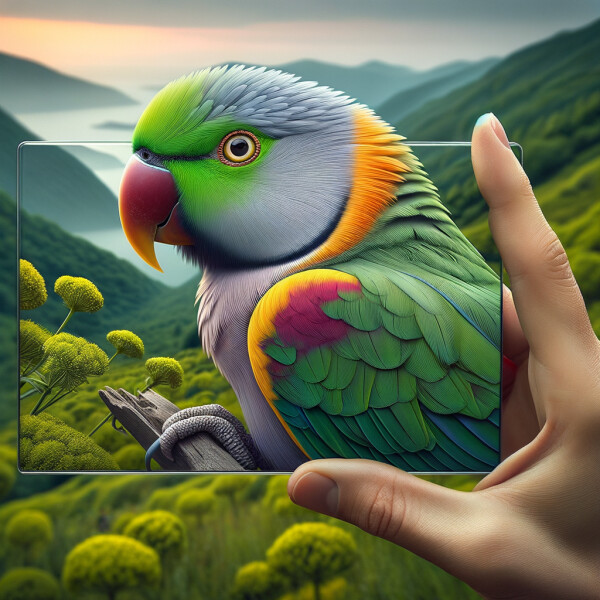
In caring for these beautiful birds, it is crucial to provide a spacious cage that allows for regular exercise. Additionally, their diet should consist of a variety of fruits, vegetables, seeds, and pellets to ensure proper nutrition. Plum-headed parakeets thrive in environments with moderate temperatures, so it's essential to monitor and maintain a comfortable climate for them. Regular interaction and mental stimulation are also vital for their well-being, as these social birds enjoy companionship and engaging activities. Lastly, seeking out a qualified avian veterinarian for routine check-ups and health assessments is recommended to ensure the overall health and longevity of these beloved pets.
Guardian Instincts
Plum-headed parakeets exhibit strong guardian instincts towards their flock mates and nesting sites. They are diligent in protecting their territory from potential threats, emitting loud warning calls to alert others. When feeling threatened, these birds demonstrate defensive behaviors such as fluffing up their feathers and using their sharp beaks to fend off intruders. Their vigilant nature extends to their young, as they fiercely guard their nests from predators and other dangers, showing remarkable courage in the face of adversity. This instinctual behavior highlights the protective and devoted nature of these intelligent avians.
Allergies and Shedding
These small to medium-sized parakeets are generally considered hypoallergenic, making them suitable for individuals with allergies. They have minimal shedding due to their fine plumage, which reduces the amount of dander released into the environment. Regular baths and occasional misting help maintain their plumage and minimize any potential allergens. Additionally, providing a well-balanced diet rich in nutrients can contribute to healthy feathers and reduce the likelihood of excessive shedding. Overall, plum-headed parakeets are a great avian choice for allergy sufferers due to their low shedding nature and manageable dander levels.
Cost of Ownership
When considering the cost of ownership for this particular bird breed, potential owners should take into account initial purchase prices ranging from $200 to $400. Additional expenses such as a proper cage ($50-$100), toys and perches ($20-$50), quality food ($20-$30 monthly), and routine veterinary care ($50-$100 per visit) should also be factored in. Expect annual expenses to total around $500-$800, including regular check-ups and potential unexpected healthcare costs. Proper budgeting and financial planning are essential to ensure the well-being and happiness of these colorful and lively avian companions.
Availability and Adoption
Plum-headed parakeets are commonly available through reputable breeders, bird rescue organizations, and avian specialty stores. It's essential to source birds from ethical breeders to ensure the bird's health and well-being. Adoption is also an option through rescues or avian adoption agencies, providing loving homes for parakeets in need. Potential owners should research proper care and commitment before adopting to ensure they can provide a suitable environment for these vibrant and intelligent birds. Additionally, adopting a bird helps reduce the demand for wild-caught parakeets and supports the welfare of these beautiful avian companions.
Famous Examples
One famous example of this bird breed is Tiki, a plum-headed parakeet that gained popularity on social media for its vibrant plum-colored head and playful personality. Tiki's owners often share videos of its impressive mimicry abilities and charming antics, showcasing the breed's intelligence and sociable nature. Another well-known plum-headed parakeet is Mango, featured in various educational programs for its ability to engage with audiences and demonstrate basic training techniques. These famous examples highlight the charm and appeal of plum-headed parakeets, making them beloved avian personalities in the bird enthusiast community.
Questions & Answers
1) Is the plum headed parakeet a good fit for families or first-time owners?
Plum headed parakeets can make good pets for families with older children or first-time bird owners who are willing to dedicate time and effort to their care. They are known for their playful and social nature.
2) How much exercise and daily care does a plum headed parakeet require?
Plum headed parakeets are active birds that require daily exercise outside of their cage. They should be provided with at least 2-3 hours of supervised playtime outside the cage to prevent boredom and maintain their physical health. Daily care includes fresh food and water, regular cage cleaning, and mental stimulation.
3) What health issues are common in plum headed parakeet?
Common health issues in plum headed parakeets include respiratory infections, vitamin deficiencies, and beak and feather disease. Regular check-ups with an avian veterinarian, a balanced diet, and a clean environment can help prevent these health issues.
4) What is the average lifespan of a plum headed parakeet?
Plum headed parakeets have an average lifespan of 15-20 years when properly cared for. Some individuals have been known to live even longer with excellent care and attention.
5) Do plum headed parakeets require companionship or are they content on their own?
Plum headed parakeets are social birds that thrive on companionship. They do best when kept in pairs or small groups to prevent loneliness and ensure mental stimulation. Solo birds may become stressed or exhibit behavioral issues.
6) What should a balanced diet for a plum headed parakeet consist of?
A balanced diet for plum headed parakeets should include a variety of fresh fruits, vegetables, high-quality pellets, and limited seeds. They also enjoy occasional treats like nuts and sprouted seeds. It's important to avoid feeding them avocado, chocolate, caffeine, and high-fat or salty foods.
7) Are plum headed parakeets known for their talking abilities?
While plum headed parakeets are not typically known for their talking abilities like some other parrot species, they are still intelligent and can learn to mimic sounds and simple words with proper training and socialization. Each bird has its own individual personality and may show varying levels of interest in talking.