
Select animal and breed you want to learn more about
Snake Breed Directory: Browse Traits, Care & Adoption Guides
COLOMBIAN RAINBOW BOA
The Colombian Rainbow Boa, known scientifically as Epicrates cenchria maurus, is a stunning snake breed native to the tropical rainforests of Colombia and other South American countries. Renowned for its iridescent rainbow like sheen and vibrant colors, these boas are popular among reptile enthusiasts for their docile nature and manageable size. They are primarily terrestrial and nocturnal hunters, preying on small mammals, birds, and amphibians. Colombian Rainbow Boas require high humidity levels and a nutritious diet to thrive in captivity, making them a rewarding but challenging pet choice.
The Colombian Rainbow Boa, known scientifically as Epicrates cenchria maurus, is a stunning snake breed native to the tropical rainforests of Colombia and other South American countries. Renowned for its iridescent rainbow like sheen and vibrant colors, these boas are popular among reptile enthusiasts for their docile nature and manageable size. They are primarily terrestrial and nocturnal hunters, preying on small mammals, birds, and amphibians. Colombian Rainbow Boas require high humidity levels and a nutritious diet to thrive in captivity, making them a rewarding but challenging pet choice.
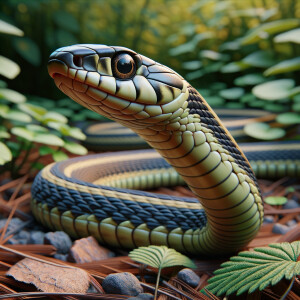
COMMON GARTER SNAKE
The common garter snake, scientifically known as Thamnophis sirtalis, is a widely distributed serpentine species found throughout North America. Known for their slender bodies, distinct stripes, and mild temperament, common garter snakes are non venomous and play a crucial role in controlling pest populations. These adaptable reptiles can thrive in various habitats, from grasslands to forests, and are proficient swimmers, often being found near water sources. With their diverse color variations and unique behaviors, common garter snakes are a fascinating and valuable part of their ecosystems.
The common garter snake, scientifically known as Thamnophis sirtalis, is a widely distributed serpentine species found throughout North America. Known for their slender bodies, distinct stripes, and mild temperament, common garter snakes are non venomous and play a crucial role in controlling pest populations. These adaptable reptiles can thrive in various habitats, from grasslands to forests, and are proficient swimmers, often being found near water sources. With their diverse color variations and unique behaviors, common garter snakes are a fascinating and valuable part of their ecosystems.
CORAL SNAKE
The coral snake, known for its vibrant red, black, and yellow bands that encircle its body, is a highly venomous snake species found in North and South America. With a slender body and a shy nature, coral snakes primarily feed on small reptiles and amphibians. Recognized for their potent neurotoxic venom, coral snakes possess a potent defense mechanism that serves as a warning to potential predators. Despite their venomous nature, coral snakes are elusive creatures that would rather avoid confrontation than engage in aggression.
The coral snake, known for its vibrant red, black, and yellow bands that encircle its body, is a highly venomous snake species found in North and South America. With a slender body and a shy nature, coral snakes primarily feed on small reptiles and amphibians. Recognized for their potent neurotoxic venom, coral snakes possess a potent defense mechanism that serves as a warning to potential predators. Despite their venomous nature, coral snakes are elusive creatures that would rather avoid confrontation than engage in aggression.
CORN SNAKE
The corn snake, a popular choice among reptile enthusiasts, is a non venomous constrictor snake originating from North America. Known for their striking colors and docile temperament, corn snakes are relatively easy to care for, making them a great option for beginner snake owners. These snakes are adept climbers and escape artists, requiring secure enclosures with proper heating and hiding spots. Corn snakes primarily feed on rodents in the wild, but can adapt well to a diet of appropriately sized mice or rats in captivity.
The corn snake, a popular choice among reptile enthusiasts, is a non venomous constrictor snake originating from North America. Known for their striking colors and docile temperament, corn snakes are relatively easy to care for, making them a great option for beginner snake owners. These snakes are adept climbers and escape artists, requiring secure enclosures with proper heating and hiding spots. Corn snakes primarily feed on rodents in the wild, but can adapt well to a diet of appropriately sized mice or rats in captivity.
CREAMSICLE CORN SNAKE
The creamsicle corn snake is a popular and visually striking breed known for its vibrant orange coloration with creamy white markings, resembling the classic creamsicle ice cream treat. These docile and easy to care for snakes are a favorite among reptile enthusiasts for their gentle temperament and manageable size, making them ideal for beginner snake owners. With proper husbandry and a suitable environment, creamsicle corn snakes thrive in captivity, delighting their owners with their beautiful appearance and gentle nature.
The creamsicle corn snake is a popular and visually striking breed known for its vibrant orange coloration with creamy white markings, resembling the classic creamsicle ice cream treat. These docile and easy to care for snakes are a favorite among reptile enthusiasts for their gentle temperament and manageable size, making them ideal for beginner snake owners. With proper husbandry and a suitable environment, creamsicle corn snakes thrive in captivity, delighting their owners with their beautiful appearance and gentle nature.
CUBAN BOA
The Cuban Boa, scientifically known as Chilabothrus angulifer, is a non venomous snake native to Cuba, Isle of Pines, and the Bahamas. This species is distinct for its beautiful pattern of dark brown to nearly black coloration with angular markings running down its back. Cuban Boas are known for their docile temperament, making them popular among reptile enthusiasts. They are primarily nocturnal hunters, feeding on small mammals, birds, and reptiles. Due to habitat loss and illegal pet trade, Cuban Boas are considered vulnerable in the wild.
The Cuban Boa, scientifically known as Chilabothrus angulifer, is a non venomous snake native to Cuba, Isle of Pines, and the Bahamas. This species is distinct for its beautiful pattern of dark brown to nearly black coloration with angular markings running down its back. Cuban Boas are known for their docile temperament, making them popular among reptile enthusiasts. They are primarily nocturnal hunters, feeding on small mammals, birds, and reptiles. Due to habitat loss and illegal pet trade, Cuban Boas are considered vulnerable in the wild.
DALBERTS PYTHON
Dalbert's pythons, named after the renowned herpetologist Dr. Edward Dalbert, are a medium-sized snake species native to the rainforests of Southeast Asia. These strikingly patterned serpents are known for their docile temperament, making them popular choices among reptile enthusiasts. With their beautiful iridescent scales and interesting behaviors, Dalbert's pythons are fascinating creatures to observe and care for in captivity. Their unique coloration and manageable size make them an ideal choice for reptile keepers looking for a captivating yet manageable snake species to add to their collection.
Dalbert's pythons, named after the renowned herpetologist Dr. Edward Dalbert, are a medium-sized snake species native to the rainforests of Southeast Asia. These strikingly patterned serpents are known for their docile temperament, making them popular choices among reptile enthusiasts. With their beautiful iridescent scales and interesting behaviors, Dalbert's pythons are fascinating creatures to observe and care for in captivity. Their unique coloration and manageable size make them an ideal choice for reptile keepers looking for a captivating yet manageable snake species to add to their collection.
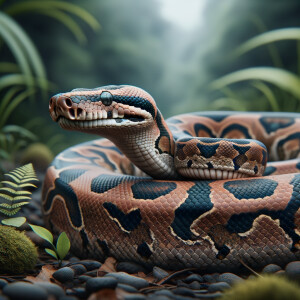
DUMERILS BOA
Dumeril's boas, scientifically known as Acrantophis dumerili, are impressive large constrictors originating from Madagascar. With their beautiful silver gray bodies featuring dark saddle like markings, these boas are admired for their docile nature and manageable size, reaching lengths of 6 8 feet as adults. Their gentle demeanor makes them popular reptile pets for enthusiasts of all experience levels. Dumeril's boas thrive in moderate humidity enclosures and are known for their robust health when provided with proper care and a suitable diet.
Dumeril's boas, scientifically known as Acrantophis dumerili, are impressive large constrictors originating from Madagascar. With their beautiful silver gray bodies featuring dark saddle like markings, these boas are admired for their docile nature and manageable size, reaching lengths of 6 8 feet as adults. Their gentle demeanor makes them popular reptile pets for enthusiasts of all experience levels. Dumeril's boas thrive in moderate humidity enclosures and are known for their robust health when provided with proper care and a suitable diet.
EASTERN INDIGO SNAKE
The eastern indigo snake, scientifically known as Drymarchon couperi, is a large, non venomous reptile native to the southeastern United States. Famous for its iridescent blue black coloration, this endangered species plays a crucial role in local ecosystems by preying on small mammals and maintaining ecological balance. With a reputation for docility and intelligence, the eastern indigo snake is highly valued in the reptile community for its unique characteristics and conservation significance.
The eastern indigo snake, scientifically known as Drymarchon couperi, is a large, non venomous reptile native to the southeastern United States. Famous for its iridescent blue black coloration, this endangered species plays a crucial role in local ecosystems by preying on small mammals and maintaining ecological balance. With a reputation for docility and intelligence, the eastern indigo snake is highly valued in the reptile community for its unique characteristics and conservation significance.
EASTERN KINGSNAKE
The Eastern kingsnake, scientifically known as Lampropeltis getula, is a non venomous constrictor snake native to the southeastern United States. This species is known for its sleek, glossy black bodies with distinctive white or yellow chain like patterns. Eastern kingsnakes are highly adaptable and can thrive in a variety of habitats, from forests and swamps to urban areas. With a diet consisting primarily of rodents, lizards, and other snakes, they play a vital role in controlling pest populations in their ecosystems. These gentle and docile snakes are popular among reptile enthusiasts for their striking appearance and manageable size.
The Eastern kingsnake, scientifically known as Lampropeltis getula, is a non venomous constrictor snake native to the southeastern United States. This species is known for its sleek, glossy black bodies with distinctive white or yellow chain like patterns. Eastern kingsnakes are highly adaptable and can thrive in a variety of habitats, from forests and swamps to urban areas. With a diet consisting primarily of rodents, lizards, and other snakes, they play a vital role in controlling pest populations in their ecosystems. These gentle and docile snakes are popular among reptile enthusiasts for their striking appearance and manageable size.
EASTERN MILK SNAKE
The eastern milk snake is a nonvenomous species indigenous to North America, characterized by its vibrant colors and smooth scales. These snakes are known for their docile nature, making them popular among reptile enthusiasts. Their diet consists mainly of small mammals, birds, and eggs. Eastern milk snakes can be found in a variety of habitats, including forests, fields, and rocky areas. Their distinctive patterning, which resembles that of the venomous coral snake, serves as a form of protective mimicry.
The eastern milk snake is a nonvenomous species indigenous to North America, characterized by its vibrant colors and smooth scales. These snakes are known for their docile nature, making them popular among reptile enthusiasts. Their diet consists mainly of small mammals, birds, and eggs. Eastern milk snakes can be found in a variety of habitats, including forests, fields, and rocky areas. Their distinctive patterning, which resembles that of the venomous coral snake, serves as a form of protective mimicry.
EGYPTIAN COBRA
The Egyptian cobra, scientifically known as Naja haje, is a highly venomous snake native to North Africa and the Arabian Peninsula. Known for its iconic hood and striking coloration, these cobras are skilled hunters, preying on small mammals, birds, and other snakes. Their potent venom contains neurotoxins that can cause paralysis and even death in humans if bitten. Revered in ancient Egyptian culture, the Egyptian cobra remains a symbol of power, protection, and danger in modern times.
The Egyptian cobra, scientifically known as Naja haje, is a highly venomous snake native to North Africa and the Arabian Peninsula. Known for its iconic hood and striking coloration, these cobras are skilled hunters, preying on small mammals, birds, and other snakes. Their potent venom contains neurotoxins that can cause paralysis and even death in humans if bitten. Revered in ancient Egyptian culture, the Egyptian cobra remains a symbol of power, protection, and danger in modern times.
LATEST PET BLOGS
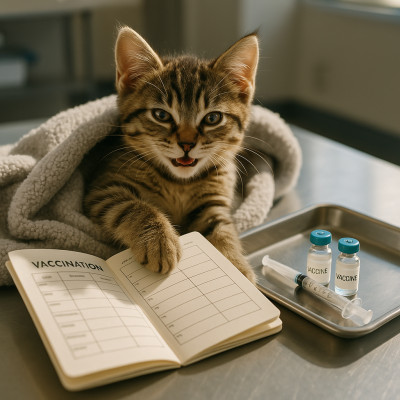
CAT VACCINES DECODED: BUILD A SMART, TAILORED SHOT PLAN WITH YOUR VET
Clear, friendly guide to cat vaccines: which shots are essential, which are optional, how schedules work for kittens and adults, and how to make a risk-based plan with your veterinarian.
Clear, friendly guide to cat vaccines: which shots are essential, which are optional, how schedules work for kittens and adults, and how to make a risk-based plan with your veterinarian.

BEYOND REVOLUTION: HOW TO PICK THE RIGHT FLEA, TICK, AND WORM PROTECTION FOR YOUR CAT
Learn how to choose flea, tick, and worm protection for your cat based on lifestyle, geography, and health. Covers year-round prevention, product types, safety cautions, and simple plans you can discuss with your vet.
Learn how to choose flea, tick, and worm protection for your cat based on lifestyle, geography, and health. Covers year-round prevention, product types, safety cautions, and simple plans you can discuss with your vet.
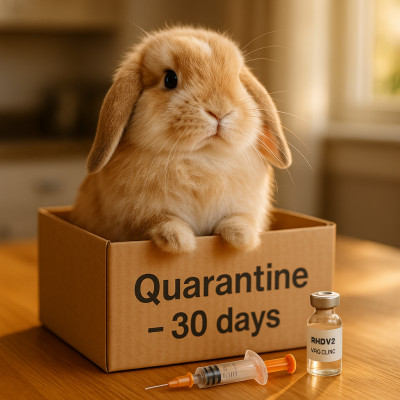
RABBIT VIRUS ALERT: WHAT RHDV2 MEANS FOR PET AND WILD RABBITS AND HOW YOU CAN HELP
RHDV2 is a highly contagious virus that can cause sudden death in pet and wild rabbits. Learn what it is, how it spreads, how to protect your rabbit with vaccination and biosecurity, and what to do if you see sick or dead rabbits.
RHDV2 is a highly contagious virus that can cause sudden death in pet and wild rabbits. Learn what it is, how it spreads, how to protect your rabbit with vaccination and biosecurity, and what to do if you see sick or dead rabbits.

WHY CAT WATER FOUNTAINS ARE THE NEW MUST‑HAVE FOR HYDRATION, KIDNEY HEALTH, AND PICKY DRINKERS
Learn how cat water fountains can boost hydration, support kidney and urinary health, and entice picky drinkers. Practical tips on choosing, placing, and cleaning fountains for real benefits.
Learn how cat water fountains can boost hydration, support kidney and urinary health, and entice picky drinkers. Practical tips on choosing, placing, and cleaning fountains for real benefits.

ON-DEMAND DOG WALKERS AND SITTERS: SAFETY, VETTING, AND SMART HIRING TIPS
Learn how on-demand dog walking and sitter apps work, what safety checks they provide, why extra vetting matters, and step-by-step tips to hire a walker or sitter you can trust.
Learn how on-demand dog walking and sitter apps work, what safety checks they provide, why extra vetting matters, and step-by-step tips to hire a walker or sitter you can trust.

FIV, FELV & FELINE HERPES EXPLAINED: SMART TESTING AND SAFE MULTI‑CAT LIVING
Clear, friendly guide to FIV, FeLV, and feline herpes: how each spreads, how tests work, retest timelines, and practical steps to keep multi‑cat households safe and happy.
Clear, friendly guide to FIV, FeLV, and feline herpes: how each spreads, how tests work, retest timelines, and practical steps to keep multi‑cat households safe and happy.