
Smart Collars & Online Vets: The Pet Telehealth Revolution for Dogs
Search our dog listings!
Introduction
Pet telehealth is no longer just a pandemic-era shortcut — it has grown into a lasting hybrid model that combines in-clinic care with online visits and smart wearables. Together, telemedicine and connected collars help spot problems earlier, guide treatment remotely, and keep busy dog families connected to their vets.
This post explains what telehealth and wearables do, which dog health problems they help most, how clinics set up safe workflows, and what owners should expect when their dog joins a remote-monitoring program.
Dogs near Columbus
NASH
Boxer, Mixed Breed
🇺🇸
Springboro, Ohio
male, medium, baby
Boxer, Mixed Breed
Springboro, Ohio

CORALINE
Pit Bull Terrier, Mixed Breed
🇺🇸
Parkersburg, West Virginia
female, medium, young
Pit Bull Terrier, Mixed Breed
Parkersburg, West Virginia
CHEWY
Bichon Frise, Shih Tzu
🇺🇸
Dayton, Ohio
male, small, adult
Bichon Frise, Shih Tzu
Dayton, Ohio

CHARLIE
Bichon Frise, Poodle
🇺🇸
Marion, Ohio
male, medium, young
Bichon Frise, Poodle
Marion, Ohio

PREMIUM
$1600
SADY
Cavachon
🇺🇸
Morrow, Ohio
female, small, baby, mixed
Cavachon
Morrow, Ohio
ROXY
French Bulldog
🇺🇸
Huber Heights, Ohio
female, small, adult
French Bulldog
Huber Heights, Ohio
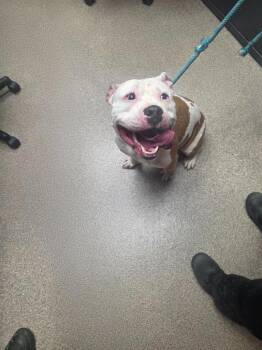
FIONA
English Bulldog
🇺🇸
Troy, Ohio
female, medium, adult
English Bulldog
Troy, Ohio

SKETTIO
Beagle
🇺🇸
Parkersburg, West Virginia
female, medium, adult
Beagle
Parkersburg, West Virginia
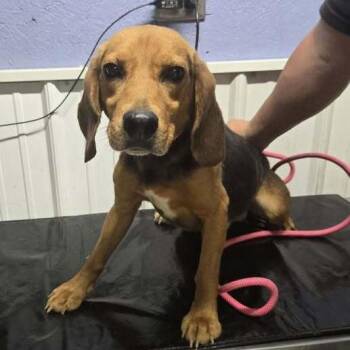
WINSTON
Beagle
🇺🇸
Springboro, Ohio
male, medium, adult
Beagle
Springboro, Ohio

KALINDA SHARMA
Chihuahua, Beagle
🇺🇸
Newport, Kentucky
female, medium, baby
Chihuahua, Beagle
Newport, Kentucky
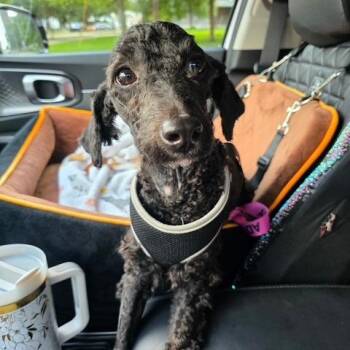
OLGA
Miniature Poodle
🇺🇸
Dayton, Ohio
female, small, adult
Miniature Poodle
Dayton, Ohio
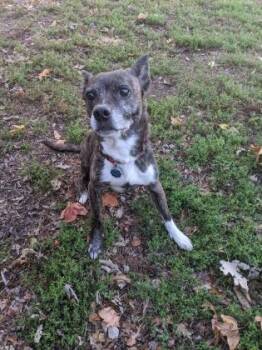
GINGER
Boston Terrier, Labrador Retriever
🇺🇸
Newport, Kentucky
female, medium, senior
Boston Terrier, Labrador Retriever
Newport, Kentucky
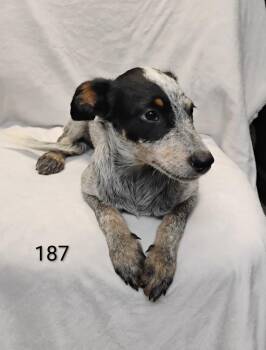
BELLA #187
Australian Cattle Dog Blue Heeler
🇺🇸
New Lexington, Ohio
female, medium, baby
Australian Cattle Dog Blue Heeler
New Lexington, Ohio
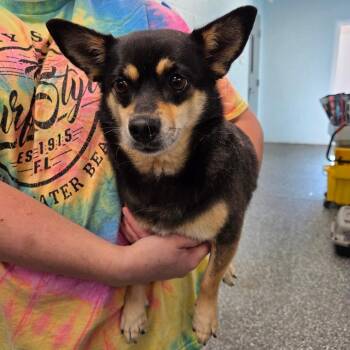
BATSY
Chihuahua
🇺🇸
Parkersburg, West Virginia
female, small, senior
Chihuahua
Parkersburg, West Virginia

PREMIUM
$800
CARL
Shih Tzu
🇺🇸
Morrow, Ohio
male, small, baby, mixed
Shih Tzu
Morrow, Ohio

ATLANTA
Puggle
🇺🇸
East Sparta, Ohio
male, small, baby
Puggle
East Sparta, Ohio

PRIMROSETTA
Terrier
🇺🇸
Springfield, Ohio
female, large, baby
Terrier
Springfield, Ohio

KNIGHT
Pug, Beagle
🇺🇸
Columbus, Ohio
male, small, baby
Pug, Beagle
Columbus, Ohio
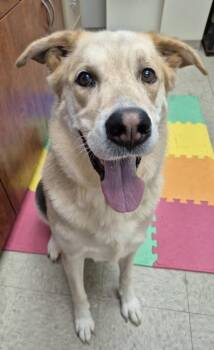
EEYORE
Mixed Breed
🇺🇸
Hamilton, Ohio
male, large, adult
Mixed Breed
Hamilton, Ohio
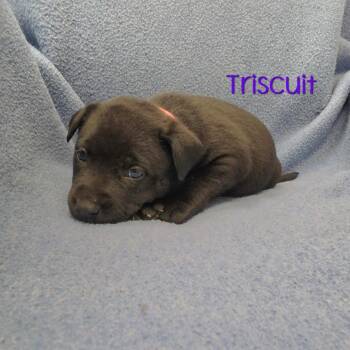
TRISCUIT
Mixed Breed
🇺🇸
Parkersburg, West Virginia
male, small, baby
Mixed Breed
Parkersburg, West Virginia
What is pet telehealth (and what it isn't)?
Telehealth is a broad term that covers phone or video visits, asynchronous messaging, and remote monitoring. Telemedicine is the part that supports diagnosis and treatment—but only when a valid veterinarian-client-patient relationship (VCPR) exists.
When a VCPR is not in place, vets can still offer teletriage and advice to help owners decide if a clinic visit is needed. Rules about establishing a VCPR remotely vary by state, so clinics must follow local regulations before diagnosing or prescribing online. For more on policy, see the AVMA and VVCA guidance, which explain telehealth rules and state differences.
What smart wearables do for dogs
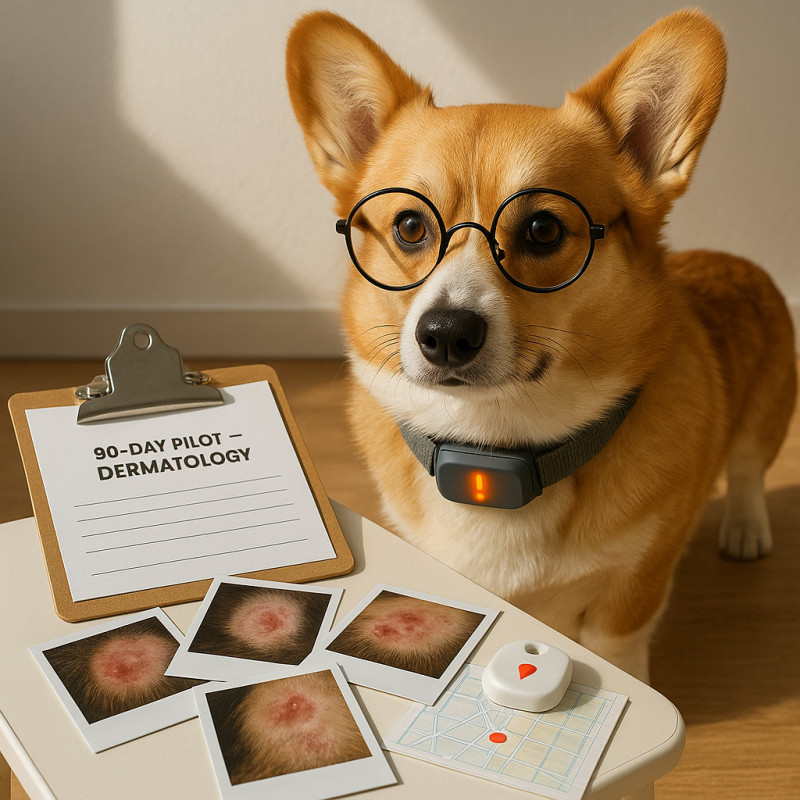
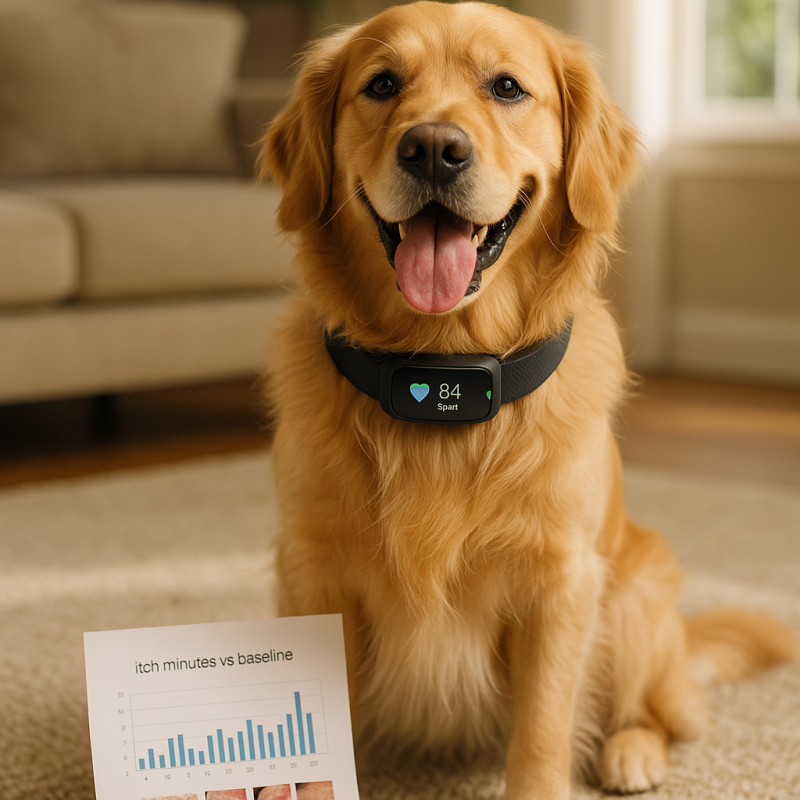
Smart collars and harnesses use sensors like accelerometers, GPS, and sometimes physiologic monitors to collect continuous data. That data can include activity levels, rest and sleep patterns, scratching/licking events, and location data for lost-dog recovery.
Some devices include models trained to detect pruritic behaviors — the scratching and licking that signal itch. These behavior metrics let vets see trends over days and weeks instead of relying only on owner memory.
Other wearables add physiologic signals such as pulse, respiration, temperature trends, and heart-rate variability. Those measures are useful for senior dogs, post-op recovery, and chronic heart or respiratory conditions, but they are best treated as early-warning signs rather than hospital-grade monitors.
Top use cases that work today
- Dermatology/pruritus monitoring — objective itch minutes and photo diaries help manage allergies.
- Weight and fitness coaching — activity targets and step counts improve adherence.
- Osteoarthritis/mobility — trend activity drops and nighttime restlessness to adjust therapy.
- Behavior and anxiety — sleep fragmentation and restlessness support behavioral plans.
- Post-op and GI follow-ups — incision photos plus activity data speed complication detection.
How telehealth + wearables help dogs and owners
Continuous data catches subtle changes early: extra scratching, fewer daily steps, or more restless nights often appear before an owner notices. That means vets can intervene sooner and prevent small problems from becoming emergencies.
Remote care saves time and stress. Many follow-ups and coaching sessions can be handled by chat or a short video, which is kinder for anxious dogs and more convenient for owners who live far from a clinic.
Clinics also benefit: teletriage reduces unnecessary ER visits, remote-monitoring packages create predictable revenue, and wearable-driven programs boost preventive care adherence.
How clinics set up a safe and practical program
Start small and focused: pick one condition (dermatology or weight is a smart first choice) and partner with a single wearable vendor. Build clear protocols that map what is handled by chat, what needs a scheduled video, and what triggers an in-person visit.
Train roles: nurses or triage staff handle protocol-driven messaging and vet the wearable alerts; veterinarians handle diagnosis and prescription decisions inside an established VCPR. Document everything in the medical record and collect owner consent up front.
Data integration can be simple at first: ask for CSV/PDF summaries or clinician-view screenshots. Add API-based feeds later when workflows are stable and the vendor supports it.
Quick-start kit for a 90-day pilot
- Domain: dermatology with wearable itch detection and photo diary.
- Intake: environment, diet, flea prevention, and 5 lesion photos.
- Baseline: 7 days of wearable data before starting treatment to set a starting point.
- Thresholds: e.g., itch > 60 minutes/day for 2 days → asynchronous check-in; > 90 minutes/day → video consult within 48 hours.
- Follow-ups: week 2 (video), week 4 (chat), month 3 (video or in-person based on trends).
- KPIs: wearable attach rate, time-to-flare-response < 24 hours, reduction in ER derm visits, owner satisfaction.
What dog owners should expect
Onboarding should be simple: a short setup video, a one-page guide about metrics, and optional tech help. Owners should learn what metrics mean, how to add context (photos, notes about baths or grooming), and when to seek in-person care.
Expect some false alarms early on. Clinics should tune alert thresholds and ask owners for brief context before escalating to a vet review. Clear expectations about response times, costs, and limits of telehealth keep everyone satisfied.
Privacy, rules, and ethics
Veterinary data isn’t covered by HIPAA, but good programs follow privacy-by-design: encrypted storage, clear consent forms, limited sharing, and role-based access. Clinics should be transparent about how data are used and who can see them.
Always check VCPR rules before diagnosing or prescribing remotely. Use teletriage and advice where a VCPR does not exist, and document all remote interactions with time-stamped notes and attachments.
What’s next for telehealth and wearables
The future points to smarter fusion of collar data, home cameras, and owner-reported outcomes to create digital biomarkers that predict flares or complications. Expect more published validations from vendors and tighter integrations with practice management software.
As policies evolve to allow remote VCPRs in more places, telemedicine workflows that already follow good clinical and data practices will be ready to scale. The clinics that start with focused pilots and clear SOPs will lead the way.
Final thoughts
Telemedicine plus smart wearables is reshaping dog care in practical ways: earlier detection, more comfortable follow-ups, and better chronic-disease management. Whether you’re a pet owner or a clinic team, start small, set clear rules, and use data to guide better care — not to replace the vet’s judgment.
Search our dog listings!
Back to pet blog