
From Viral Puppies to Designer Breeds: How Social Media Shapes Dog Trends (and How to Be a Responsible Owner)
Search our dog listings!
Why social media makes certain dogs go viral
Short videos and bright photos reward striking looks and cute moments, so platforms push those images into millions of feeds fast. That means a single puppy or breed trait—big eyes, flat face, fluffy coat, or a rare color—can become a global craze in a few days. When people copy what they see online, breed popularity behaves a lot like fashion: visibility beats practical fit. The result is more impulse buying and less time for checks that protect the dogs welfare.
Dogs near Dallas
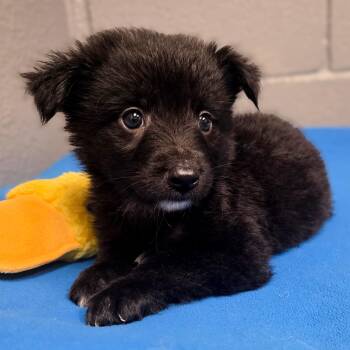
RYDER
Border Collie
🇺🇸
Gainesville, Texas
male, medium, baby
Border Collie
Gainesville, Texas
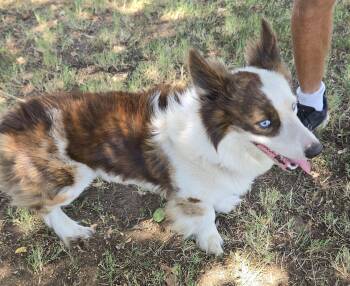
SCOTTY
Shetland Sheepdog Sheltie, Corgi
🇺🇸
Irving, Texas
male, small, young
Shetland Sheepdog Sheltie, Corgi
Irving, Texas
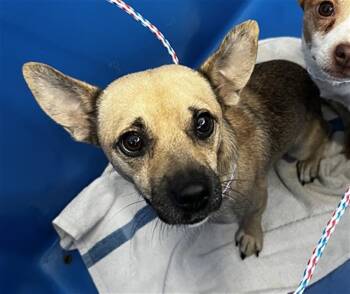
BRODIE
Mixed Breed
🇺🇸
Dallas, Texas
male, small, adult
Mixed Breed
Dallas, Texas

SORA
Corgi, Dachshund
🇺🇸
Mansfield, Texas
female, small, baby
Corgi, Dachshund
Mansfield, Texas
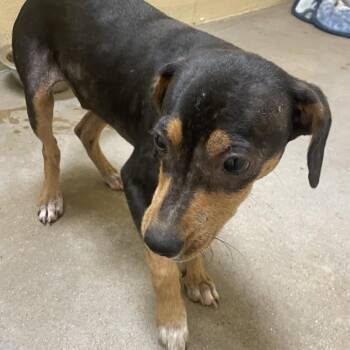
ALFIE
Chihuahua, Mixed Breed
🇺🇸
Palestine, Texas
male, small, young
Chihuahua, Mixed Breed
Palestine, Texas
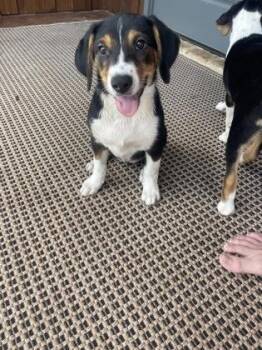
SUNDAE
Beagle, Mixed Breed
🇺🇸
Fort Worth, Texas
female, medium, baby
Beagle, Mixed Breed
Fort Worth, Texas
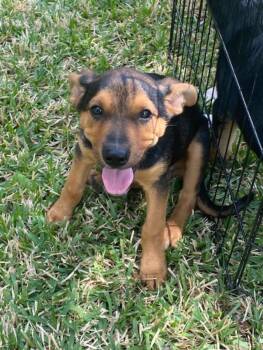
SNICKERS
German Shepherd Dog
🇺🇸
Garland, Texas
female, medium, young
German Shepherd Dog
Garland, Texas
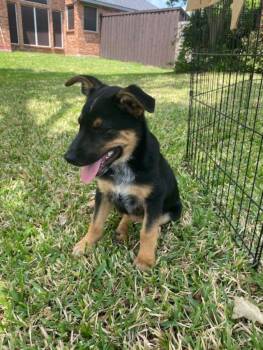
REESES
German Shepherd Dog
🇺🇸
Garland, Texas
female, medium, young
German Shepherd Dog
Garland, Texas
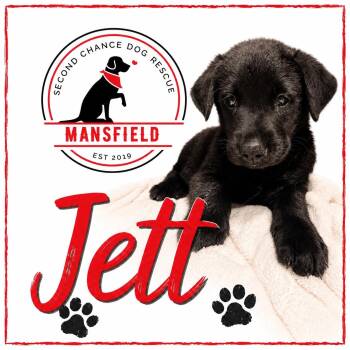
JETT
Australian Cattle Dog Blue Heeler, Black Labrador Retriever
🇺🇸
Mansfield, Texas
male, medium, baby
Australian Cattle Dog Blue Heeler, Black Labrador Retriever
Mansfield, Texas
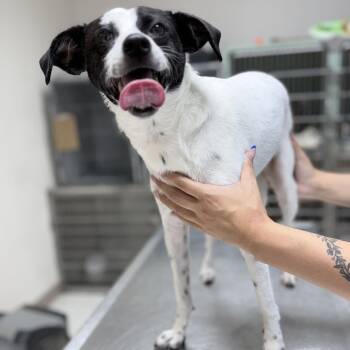
NICKEL
Mixed Breed
🇺🇸
Tyler, Texas
female, small, adult
Mixed Breed
Tyler, Texas
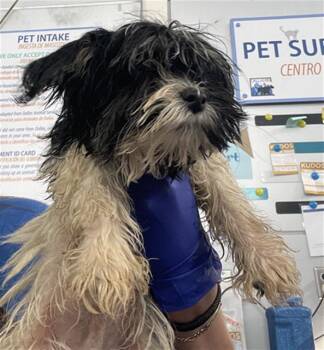
ANTMAN
Mixed Breed
🇺🇸
Dallas, Texas
male, small, young
Mixed Breed
Dallas, Texas
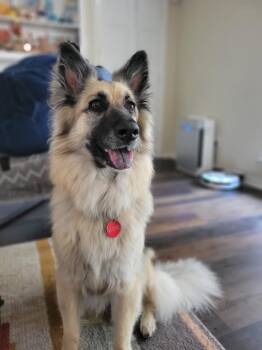
25-068 ZOLA
Shepherd, Collie
🇺🇸
Richardson, Texas
female, large, adult
Shepherd, Collie
Richardson, Texas
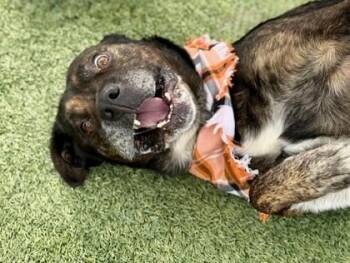
HAPPY
Mixed Breed
🇺🇸
Fort Worth, Texas
male, large, adult
Mixed Breed
Fort Worth, Texas
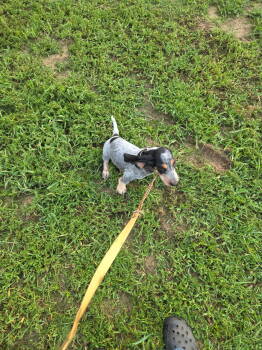
PREMIUM
$700
M1019
Basset Bleu De Gascogne
🇺🇸
Saltillo, Texas
male, medium, baby, mixed
Basset Bleu De Gascogne
Saltillo, Texas
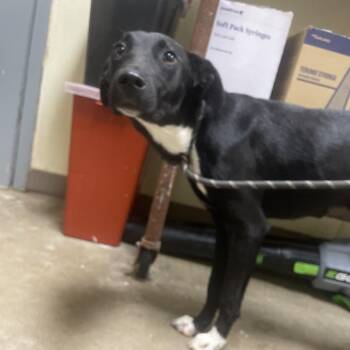
SOX
Black Labrador Retriever
🇺🇸
Palestine, Texas
female, medium, young
Black Labrador Retriever
Palestine, Texas
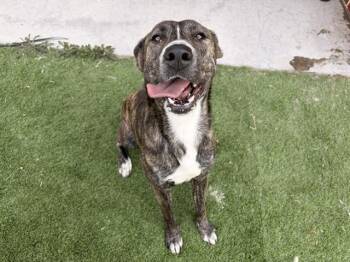
WILMA
American Staffordshire Terrier, Mixed Breed
🇺🇸
Grand Prairie, Texas
female, large, adult
American Staffordshire Terrier, Mixed Breed
Grand Prairie, Texas
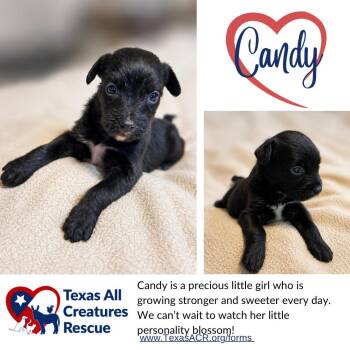
CANDY
Terrier
🇺🇸
Alvarado, Texas
female, medium, baby
Terrier
Alvarado, Texas

JUDY
Australian Cattle Dog Blue Heeler
🇺🇸
Fort Worth, Texas
female, medium, baby
Australian Cattle Dog Blue Heeler
Fort Worth, Texas
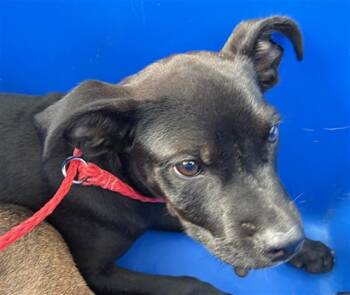
CIARA
Mixed Breed
🇺🇸
Dallas, Texas
female, large, baby
Mixed Breed
Dallas, Texas
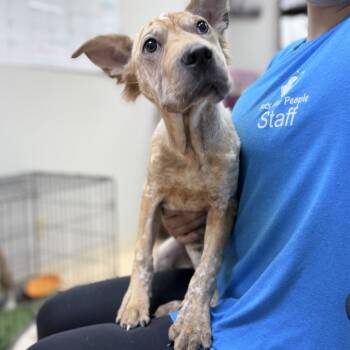
CREOLE
Cattle Dog, Shar Pei
🇺🇸
Tyler, Texas
female, small, baby
Cattle Dog, Shar Pei
Tyler, Texas
Real-world consequences: demand spikes, then regrets
There are real examples where media exposure led to big problems for dogs and owners. In the past, TV shows increased demand for certain dogs and later shelters saw more of those same dogs returned. Social media accelerates that effect and can create waves of owners who are not ready for a breeds real needs. When the shiny newness fades, families sometimes discover a mismatch and shelters pay the price.
Health harms tied to viral looks
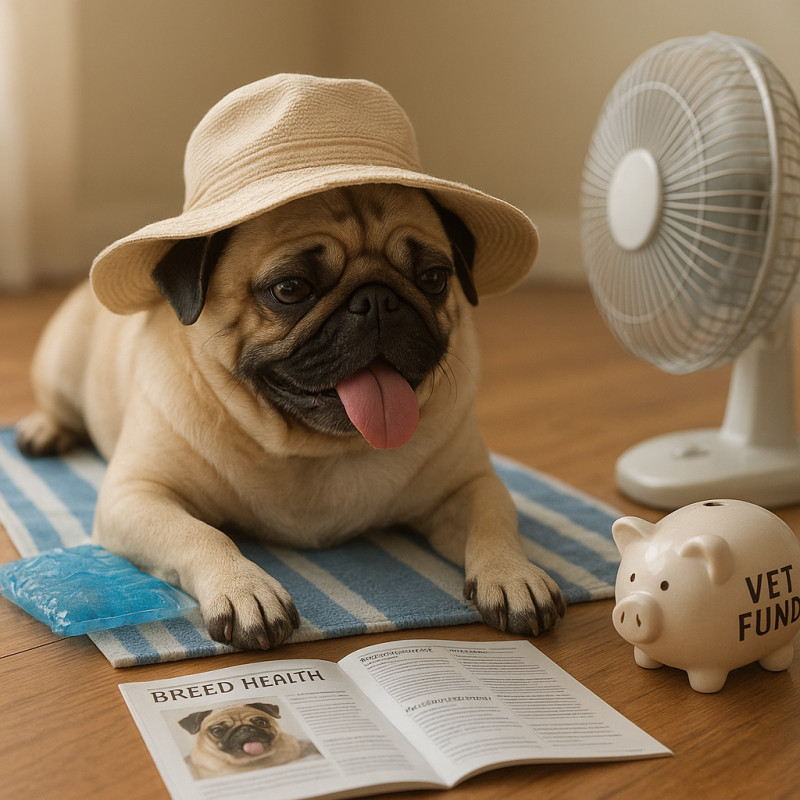
Flat-faced or "brachycephalic" breeds like French Bulldogs and Pugs are often beloved online for their baby-like faces. But they can suffer breathing problems, eye injuries, skin fold infections, and heat intolerance that make life harder and vet bills higher. Designer crosses and tiny "teacup" dogs can hide health and behavior variability—some need heavy grooming every few weeks while others carry genetic risks. Choosing a dog for looks alone can mean extra medical care and heartache down the road.
Designer breeds, rare colors, and risky breeding
Designer mixes (like doodles) and rare coat colors can be extremely popular on social feeds. But those trends can push breeders toward shortcuts and dangerous matings. For example, chasing a rare color can lead to merle-to-merle pairings that raise risks of deafness and eye problems. The shiny picture of a rare coat often hides the complicated genetics and long-term costs the puppy may face.
Cosmetic procedures and illegal practices promoted online
Some influencers and posts normalize cosmetic changes like ear cropping or extreme body shapes that are illegal or harmful in many places. That sends the wrong message and makes enforcement harder. When cosmetic edits or cropped ears are shown without context, viewers may think these practices are normal or safe, even when they damage the dogs welfare.
Scams, imports, and the pandemic puppy rush
Social media also made it easier for scammers and illegal sellers to find buyers quickly. During the pandemic many people bought puppies online without seeing the mother or checking health records. This opened the door to fake listings, stolen photos, and puppies imported without proper vaccinations. Buyers should be careful: pressure to pay quickly, shipping-only deals, and requests for wire transfers or crypto are common red flags.
How to decide responsibly in a social-first world
Take a slow, practical approach before committing to a dog. Ask: How much time can I give daily? How much exercise, grooming, and training can my household handle? Do I live in a hot climate where a flat-faced dog would suffer? Answering lifestyle questions first helps you pick a dog that fits, not just one that looks great on a screen.
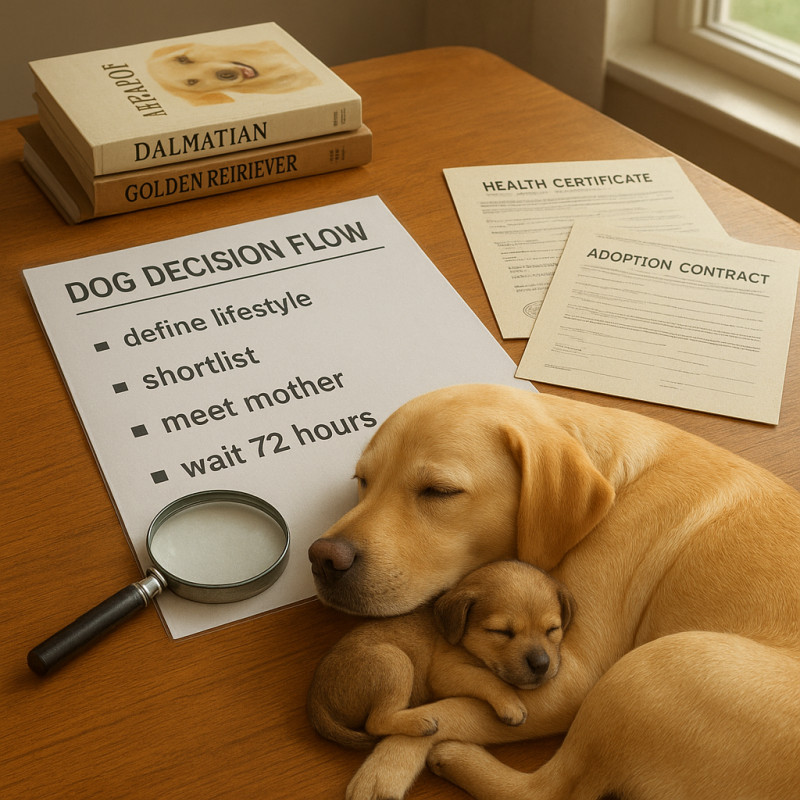
A simple decision flow to follow
- Define lifestyle and limits: family, housing, exercise, allergies, travel.
- Shortlist breeds or mixes by behavior and needs, not just appearance.
- Verify the source: meet the puppy with its mother, review health tests, and check references.
- Wait 72 hours before paying any deposit; avoid pressure tactics.
What to check with breeders and rescues
A responsible breeder will show health testing for parents, explain breed risks, offer a contract, and often have a waitlist. Rescues should be transparent about behavior and medical history and offer post-adoption help. Always ask to see documentation in registries (for example health registries or test certificates) and insist on a visit or live video that clearly shows the puppy with its mother and littermates.
Budgeting for the real costs
Viral dogs often carry predictable expenses: higher insurance, more vet visits for breed-related problems, and regular professional grooming for many designer coats. Add training costs—puppy classes and behavior work are essential, especially for high-drive or anxious breeds. Make a realistic budget that includes an emergency fund and potential corrective procedures for certain breeds.
How to use social media more responsibly
Follow creators who show everyday care: grooming, training, vet visits, and the messy adolescent phase—not only cute naps. Don't share posts that glamorize cropped ears, extreme faces, or underage puppies for quick likes. Look for breed-club, rescue, and veterinarian accounts that explain care needs and answer questions honestly.
Final takeaway: slow the scroll, prioritize welfare
Social media will keep making some dogs look irresistible, but the best choice for both you and the dog depends on time, care, and realistic expectations. Slow down, do the checks, and pick a dog that matches your life. If we all value health and honesty over the next viral look, fewer dogs will suffer from bad breeding, scams, or being returned to shelters.
Search our dog listings!
Back to pet blog