
Dog Insurance Decoded: Choose Coverage That Protects Your Wallet and Your Pup

Search our dog listings!
Dog insurance can feel confusing, but it doesn’t have to be. This post breaks down what matters so you can protect your wallet and your pup without the stress.
Why dog insurance?
Dog insurance is like a safety net for big, unexpected vet bills—not a piggy bank for shots or treats. Serious illnesses and emergencies (like cancer, torn ligaments, or bloat) can cost thousands of dollars. A good policy helps you avoid impossible choices between your dog’s care and your budget.
Dogs near Gadsden
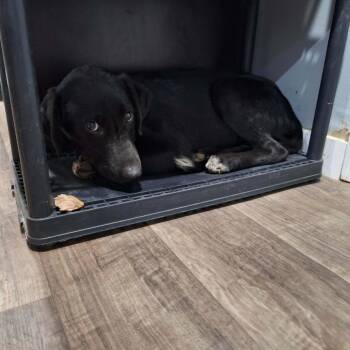
AJAX
Mixed Breed
🇺🇸
Boaz, Alabama
male, large, young
Mixed Breed
Boaz, Alabama

ALEXANDER HAMILTON
Mixed Breed
🇺🇸
Gadsden, Alabama
male, small, baby
Mixed Breed
Gadsden, Alabama
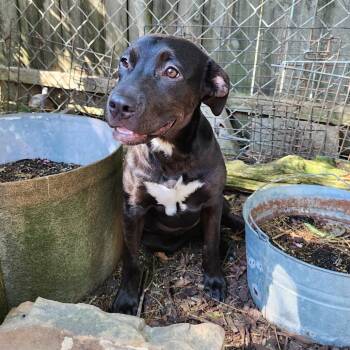
IMOGENE
Mixed Breed
🇺🇸
Boaz, Alabama
female, medium, baby
Mixed Breed
Boaz, Alabama
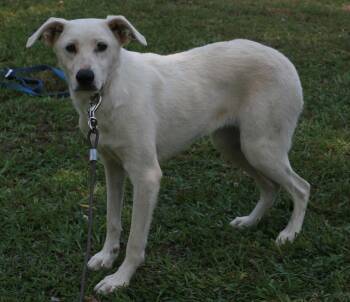
DOLLY
Labrador Retriever, German Shepherd Dog
🇺🇸
Attalla, Alabama
female, large, young
Labrador Retriever, German Shepherd Dog
Attalla, Alabama
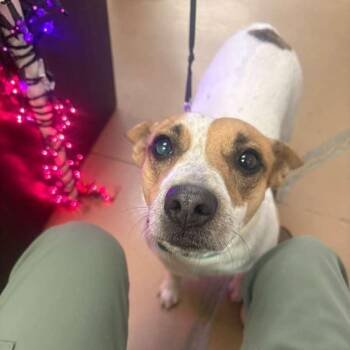
CHEDDER
Mixed Breed
🇺🇸
Gadsden, Alabama
female, medium, adult
Mixed Breed
Gadsden, Alabama
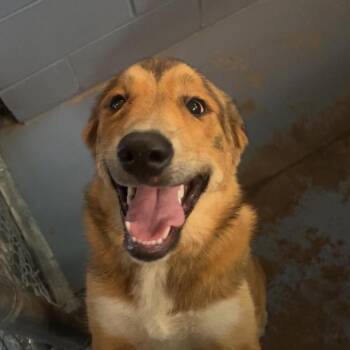
PEPPER
Mixed Breed
🇺🇸
Gadsden, Alabama
female, medium, young
Mixed Breed
Gadsden, Alabama
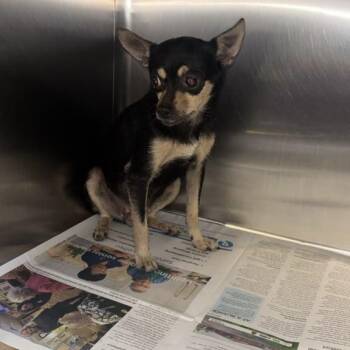
PRINCESS PEA
Chihuahua
🇺🇸
Gadsden, Alabama
female, small, adult
Chihuahua
Gadsden, Alabama
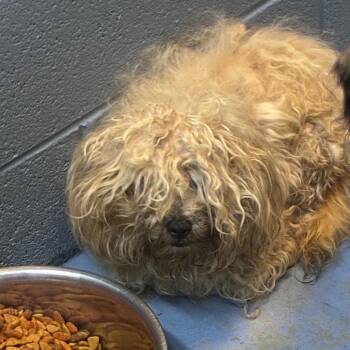
OLLIE
Mixed Breed
🇺🇸
Gadsden, Alabama
male, small, adult
Mixed Breed
Gadsden, Alabama
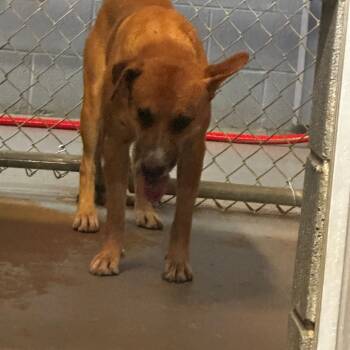
LEOPOLE
Mixed Breed
🇺🇸
Gadsden, Alabama
male, medium, adult
Mixed Breed
Gadsden, Alabama
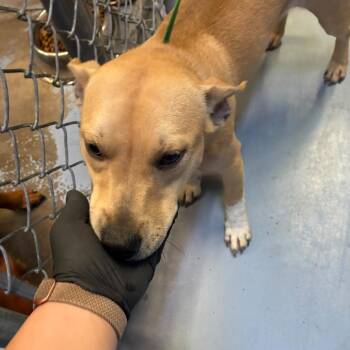
FRANKIE
Mixed Breed
🇺🇸
Gadsden, Alabama
male, small, young
Mixed Breed
Gadsden, Alabama
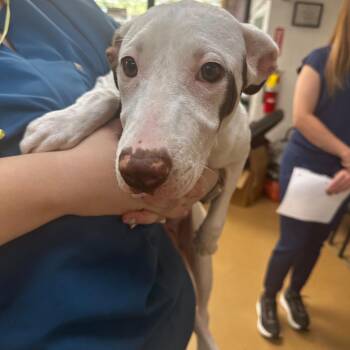
GRETCHEN
Mixed Breed
🇺🇸
Gadsden, Alabama
female, medium, baby
Mixed Breed
Gadsden, Alabama
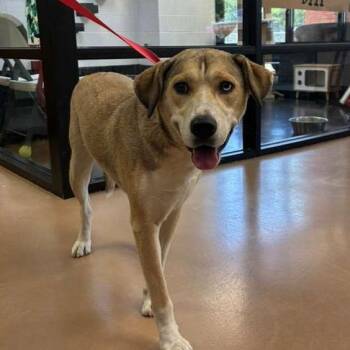
POWDER (SPONSORED)
Mixed Breed
🇺🇸
Gadsden, Alabama
female, medium, young
Mixed Breed
Gadsden, Alabama

ALI GATOR
Mixed Breed
🇺🇸
Gadsden, Alabama
male, medium, adult
Mixed Breed
Gadsden, Alabama
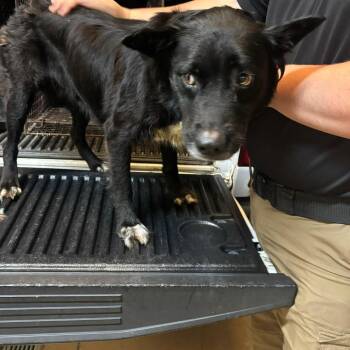
NYX
Mixed Breed
🇺🇸
Gadsden, Alabama
female, medium, adult
Mixed Breed
Gadsden, Alabama
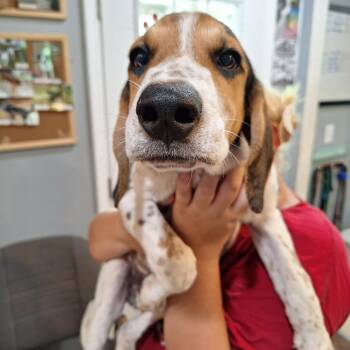
CROSBY
Hound, Mixed Breed
🇺🇸
Boaz, Alabama
male, medium, baby
Hound, Mixed Breed
Boaz, Alabama
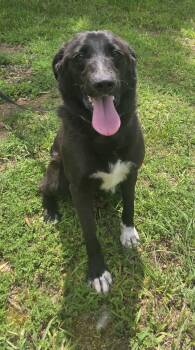
DAPHNE
Border Collie, Labrador Retriever
🇺🇸
Attalla, Alabama
female, medium, young
Border Collie, Labrador Retriever
Attalla, Alabama
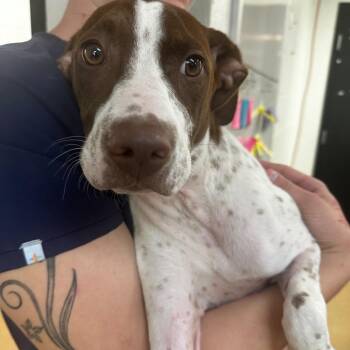
GLADYS
Mixed Breed
🇺🇸
Gadsden, Alabama
female, medium, baby
Mixed Breed
Gadsden, Alabama
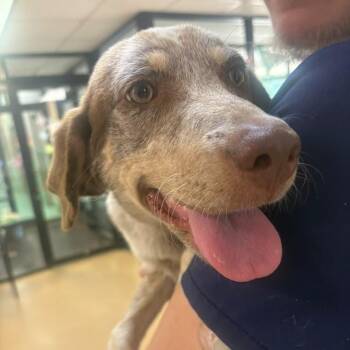
MYRTLE
Mixed Breed
🇺🇸
Gadsden, Alabama
female, small, young
Mixed Breed
Gadsden, Alabama

LANKIE
Mixed Breed
🇺🇸
Gadsden, Alabama
male, small, young
Mixed Breed
Gadsden, Alabama

ANGELICA SCHUYLER
Mixed Breed
🇺🇸
Gadsden, Alabama
female, small, baby
Mixed Breed
Gadsden, Alabama
Types of coverage — what they really mean
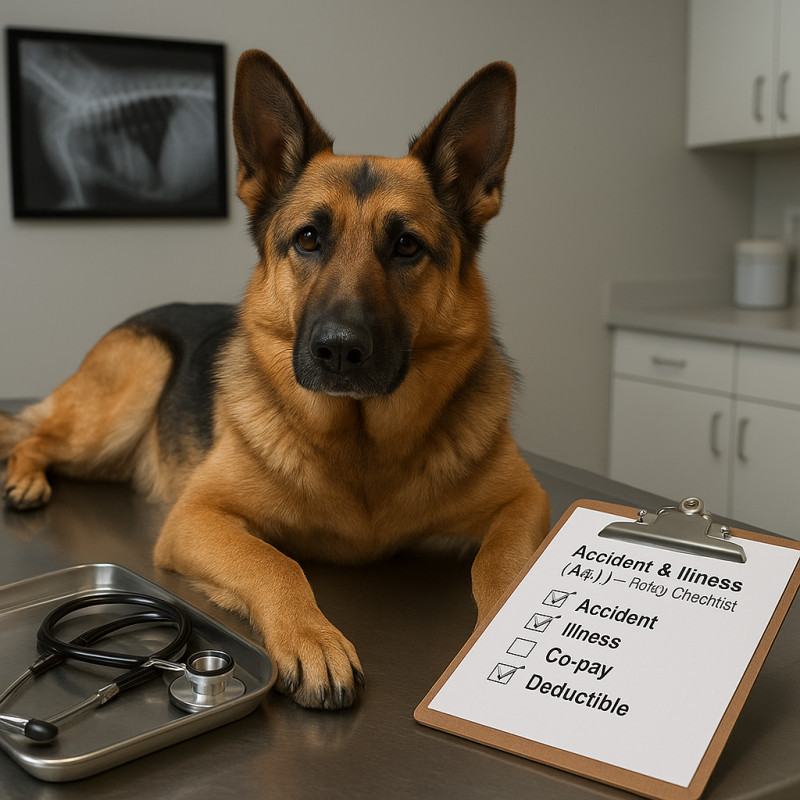
Accident & illness (A&I) is the coverage you want if your goal is real protection. It covers injuries and most illnesses, plus diagnostics, surgeries, hospital stays, specialists, and often prescriptions.
Accident-only plans are cheaper but miss most expensive problems because they exclude illnesses like cancer or chronic disease. Wellness or preventive add-ons pay for routine care like vaccines and cleanings, but they are budgeting tools, not true insurance.
Big features that matter
Pick a policy with a high annual limit or no limit at all so one big case won’t exhaust your coverage. Make sure it covers hereditary and congenital problems (like hip dysplasia or IVDD) and long-term chronic conditions without tiny per-condition caps.
Prefer percentage reimbursement (70%–90%) applied to the actual vet bill rather than a benefit schedule that pays fixed dollar amounts per service. Also choose an annual deductible you can live with (many people pick $250–$500).
Watch the tricky fine print
Pre-existing conditions are almost always excluded, so buy insurance early—before symptoms start. Read how the insurer defines pre-existing and whether some conditions are considered “curable” after a symptom-free window.
Check for bilateral and orthopedic clauses: if one knee had problems before coverage, the other might be excluded later. Orthopedic waits (6–12 months for some conditions) are common; some companies offer waivers after a vet exam.
Extras that change real cost
Make sure exam fees, diagnostics (X-rays, bloodwork, CT/MRI), prescriptions, and rehab or behavioral therapy are included or available as add-ons. Dental illness (not just tooth fractures) is often excluded, so confirm whether periodontal disease and extractions are covered.
If your vet can accept direct pay from an insurer, that can save you from charging thousands on a card during an emergency. Trupanion, for example, supports direct-pay options with many clinics.
How to compare plans step-by-step
Get quotes from at least 4–5 insurers using identical settings: A&I coverage, a high annual limit ($10k–unlimited), a $250–$500 deductible, and 80% reimbursement.
Download and scan each company’s sample policy. Focus on pre-existing rules, bilateral/orthopedic language, dental illness terms, exam fees, prescription coverage, and any sublimits.
Ask your vet which insurers they work with and which ones offer direct pay at your clinic. Also check carrier reviews for rate-increase history so you won’t be surprised by big premium jumps.
Budgeting example: what a plan actually protects
Imagine a $10,000 surgery. With a $500 deductible and 80% reimbursement, you would pay the $500 plus 20% of the remaining $9,500 ($1,900), so about $2,400 out of pocket. That’s far better than paying the full $10,000.
If premiums are too high, raise the deductible before cutting essential benefits or lowering the annual limit; one big event can wipe out a low limit quickly.
Common pitfalls to avoid
- Buying too late: a limp before enrollment can make both knees excluded later.
- Missing exam fees: ER exam costs add up if not covered.
- Assuming dental is included: many plans exclude periodontal disease by default.
- Choosing benefit schedules: fixed caps per diagnosis often leave big balances.
Pick the right plan for your dog
Think about breed and lifestyle: large or athletic dogs need strong orthopedic and rehab coverage; brachycephalic breeds often need airway and eye care coverage; working dogs may require special riders. For older dogs or rescues, enroll early when possible because premiums rise and exclusions increase with age.
Quick checklist before you buy
- Type: Accident & Illness (yes) — Wellness optional
- Limit: ≥ $10,000 or unlimited
- Deductible: $250–$500 (adjust to budget)
- Reimbursement: 70%–90%
- Includes: hereditary/congenital, chronic, cancer, exam fees, Rx, dental illness, rehab/behavior
- Waits: accidents short, illness 14–30 days, orthopedic sometimes longer
- Claims: direct pay? fast digital claims?
- Renewability: lifetime renewability without new exclusions?
Final tips
Buy A&I coverage early, compare sample policies (not just marketing pages), and talk to your vet about direct-pay and the insurer’s reputation. Accept that premiums will rise, and plan your budget accordingly. The goal is peace of mind: a policy that turns a devastating bill into a manageable expense so you can focus on your dog’s recovery.
For more background and official guidance, see resources from the American Veterinary Medical Association and independent reviewers. Smart choices now mean fewer surprises later, and a healthier, happier life for your pup.
Search our dog listings!
Back to pet blog